When Newport’s Chartist mural was dismantled during the Friars Walk redevelopment, the public reaction was immediate and deeply emotional. The debate lasted years, prompting protests, headlines and difficult decisions. At first, it may have seemed surprising that public art could stir such strong feelings. But the response made one thing clear: public art is never just decoration.
The mural was part of Newport’s identity. Growing up in Newport, I was part of the many generations that passed it on our way to school, work and home. It reflected the people who shaped the city and the stories that connected them. When it disappeared, many residents felt something of themselves had been lost too. That absence is still felt today, a reminder that places matter more deeply than is sometimes acknowledged in regeneration and policy conversations. Housing associations are uniquely positioned to go beyond providing homes and help create the relationships and sense of belonging that allow communities to thrive.
After many years working in regeneration and placemaking, I believe we need to think differently about prevention. We often frame prevention in terms of services and interventions, but it is also shaped by the environments people encounter every day.
The condition of shared spaces quietly influences how people feel about themselves and where they live. Neglect sends a message that a place is not valued. Care and investment create the opposite effect. When children help design a mural, or when local history is reflected in public view, the benefits go far beyond aesthetics. People develop ownership and a stronger stake in the places they call home.
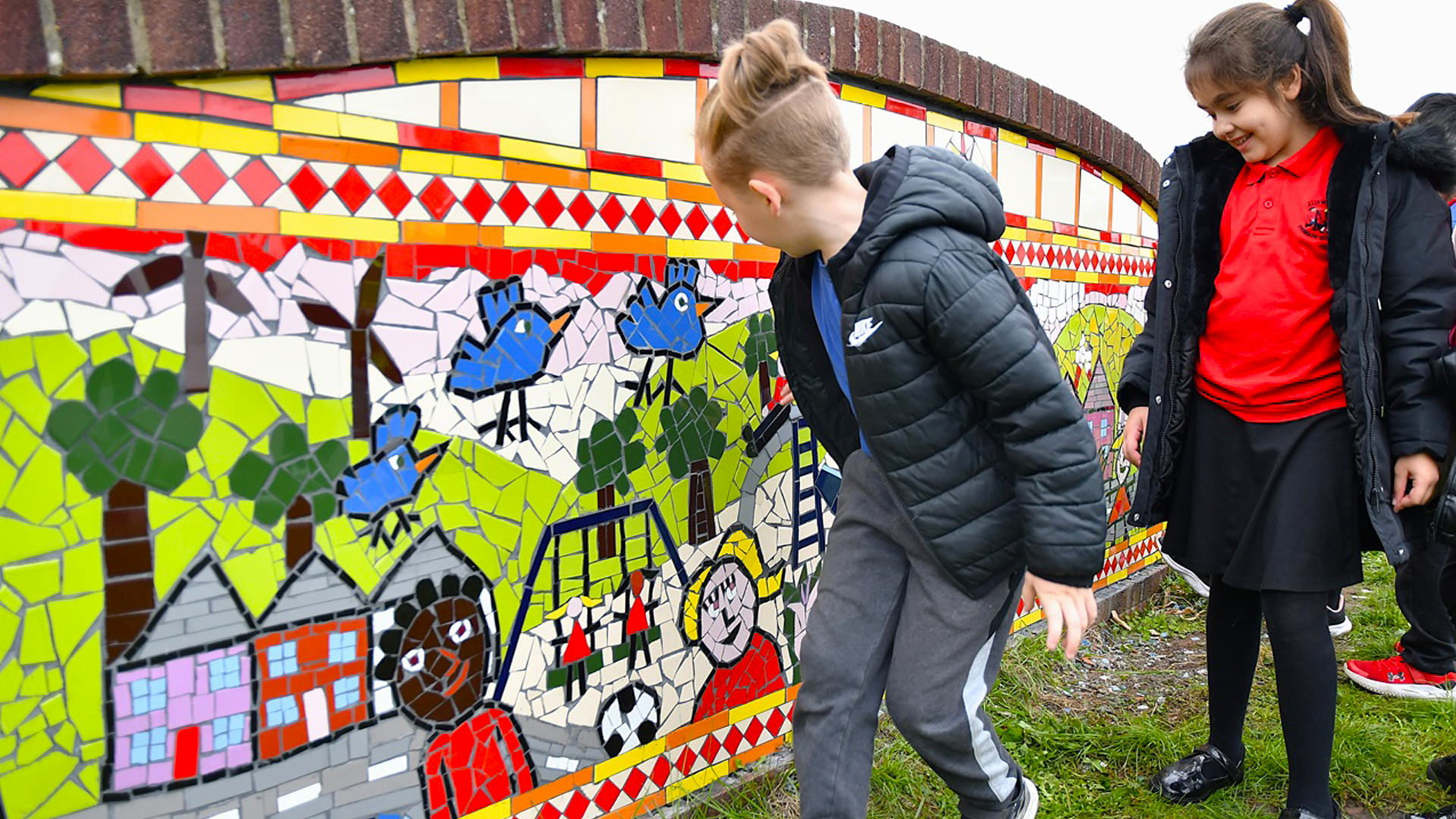
At Hedyn, we have seen this first-hand. Through our Longmeadow development in Newport, we worked with residents, councillors and schools to identify ways of supporting the wider neighbourhood. Nearby, at Broadmead and Moorland Park, deteriorating mosaic entrance signs had become an overlooked feature. Working with Tanio and pupils from Lliswerry Primary School, we invited children to design replacements. What emerged far exceeded a physical makeover. The children became fiercely proud of the mosaics they had helped create and spoke about protecting them. It demonstrated how relatively small interventions can strengthen pride and ownership.
That approach has continued at Pontfaen Shops, linked to our Longmeadow development. The site has experienced long-standing problems with antisocial behaviour and graffiti. Rather than simply painting over the walls, we worked with residents, schools and community groups to create something new. Through workshops led by artist Andy O’Rourke, local people are helping shape a mural that reflects their identity and aspirations.