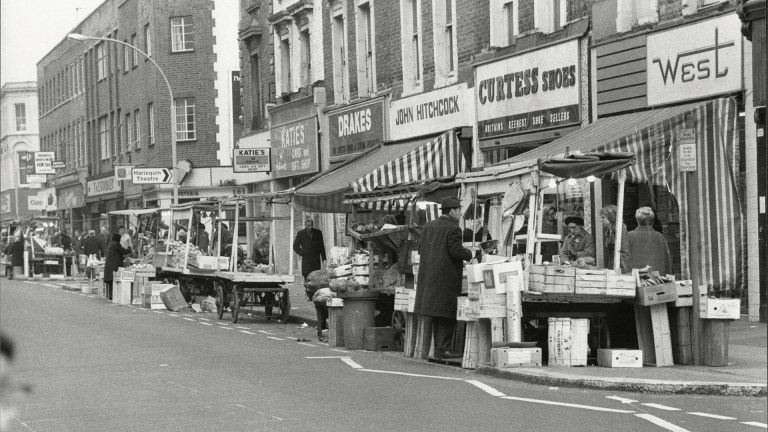
In my early days no public sleeping or begging was accepted by the custodians of the public space – the police. I was in my youth a devotee of clumps of rhododendrons in public parks, after I had scaled fences. There you were guaranteed an uninterrupted night’s sleep, weather permitting.
Interestingly the ending of a public police presence, strolling community coppers, coincided with the advent of rough sleeping in public. A major central government decision to thin out policing and take the copper out of the community represented a major change to modern life. I would say an apocryphal change: a deserting of the streets by government. And a similar change of mind by local authorities.
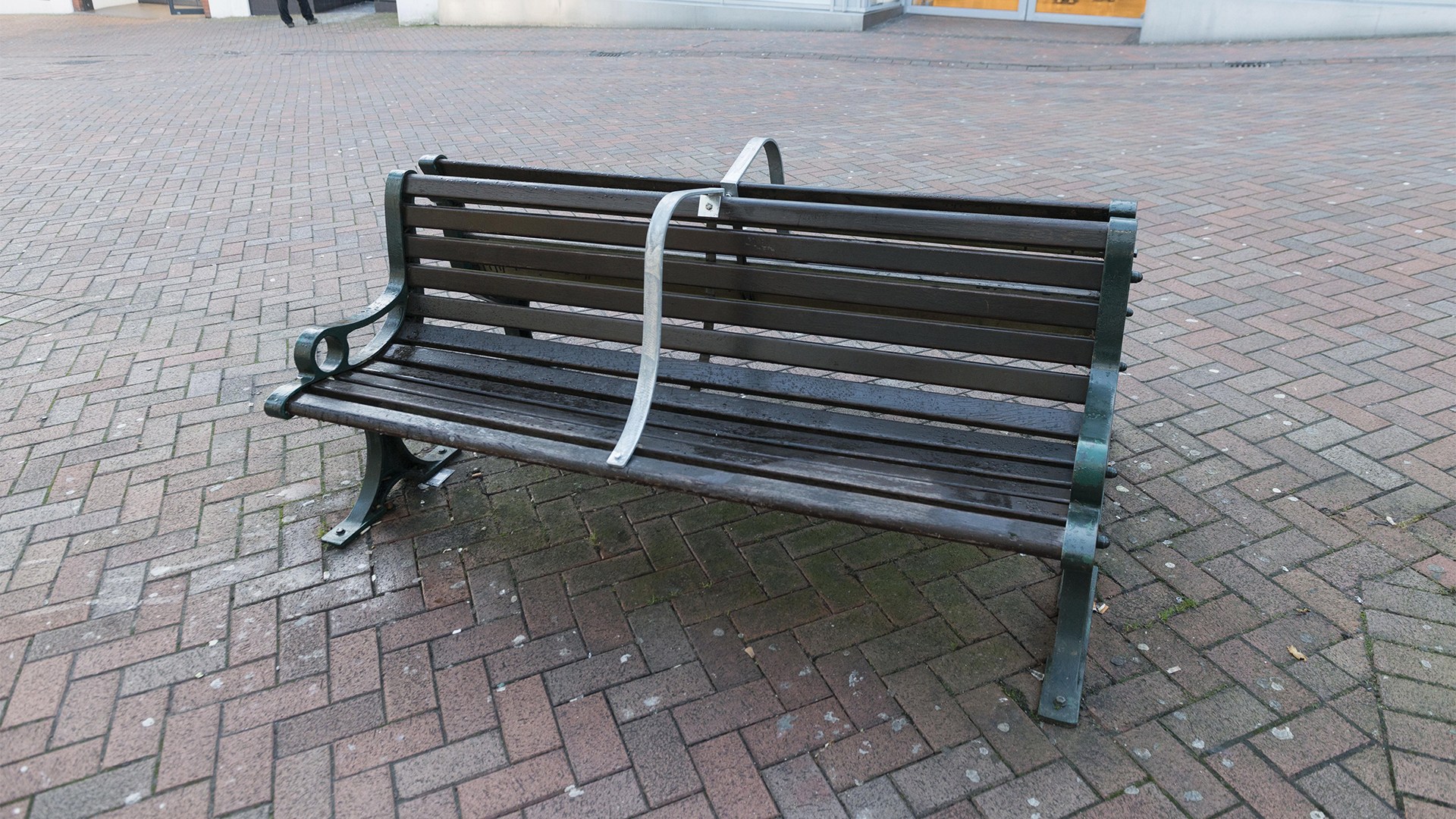
If you ain’t got the coppers and you don’t want to spend money on the homeless then bring on the spikes and the studs; bring on the slippery seats and the dividing armrests. Learn from your earlier success with pigeons; make roosting in public places a thing of the past.
Keep reading the journalism that powers our mission
Register free to continue and learn more about the stories, campaigns and the support we provide, helping people facing poverty across the UK.
Read more:
The loss of public life, of public wellbeing, of a sense of responsibility for our public street life has been immense. Overflowing municipal bins have been a further indication of this devaluation of public space.
An assault on public life has coincided with a desire, now reversed by Norwich City Council, to get rid of so-called street abusers like rough sleepers. But is this progress or misplaced idealism?
‘Let’s make the discomforts of homeless rough sleeping more comfortable’ might be the thinking of
Norwich’s street custodians.
Margaret Thatcher’s 1980s saw the introduction of a new level of neglect in our streets and public spaces. Reining in local authorities, centralising their behaviour. Emptying the mental hospitals of their patients into the prisons, the hospitals and the streets was probably one of the biggest acts of social vandalism of modern times. Without delivering on their promise to create ‘care in the community’, which in theory was a better system than the Victorian asylums.
Allowing street life, public life, to become a public spectacle of government thinking allowed and encouraged the hundreds and hundreds of initiatives launched by the homeless and poverty charities. Out of the quagmire of government thinking that devalued public life grew, among other institutions, Big Issue. An emergency response, like hundreds of others, to a pressing need. Opening the sluice gates of mental institutions and the monumental closing down of our industrial base made London in particular a cauldron of homelessness, the most obvious sign that society was ungluing.
Thousands sleeping rough in London’s West End underlined what 10 years of abrasive politics can do to a country. An enormous rise in the use – and devaluation – of social security ensued. ‘Emergencyism’ made the UK a different place from what it had ever been.
And it enabled a vast increase in personal wealth for a larger amount of people than at any time in British history. That contradiction, mixed in with more public wretchedness, created what you might call a London version of San Francisco. An American city that seems to have captured the extremes of the public display of wretchedness and untold wealth in one municipality.
Good luck to the burghers of Norwich in their attempt at making homelessness less uncomfortable in their city.
But let us hope the promises of the new political broom in central government will show an ability to learn from history, and realise that the eradication of homelessness is a central issue for the health and wellbeing of us all.
And we must live in hope that a centralised attack on poverty – the precursor of most homelessness, will also
be forthcoming.
John Bird is the founder and editor-in-chief of the Big Issue. Read more of his words from our archive.
Do you have a story to tell or opinions to share about this? Get in touch and tell us more.
Change a vendor’s life.
Buy from your local Big Issue vendor every week – and always take the magazine. It’s how vendors earn with dignity and move forward.
You can also support online:
Subscribe to the magazine or support our work with a monthly gift. Your support helps vendors earn, learn and thrive while strengthening our frontline services.
Thank you for standing with Big Issue vendors.