Advertising helps fund Big Issue’s mission to end poverty
Opinion

It’s time we stopped having to face up to a SLAPP

While governments of different stripes have acknowledged the corrosive impact of SLAPPs, progress to stop them has faltered

Nik Williams on SLAPP

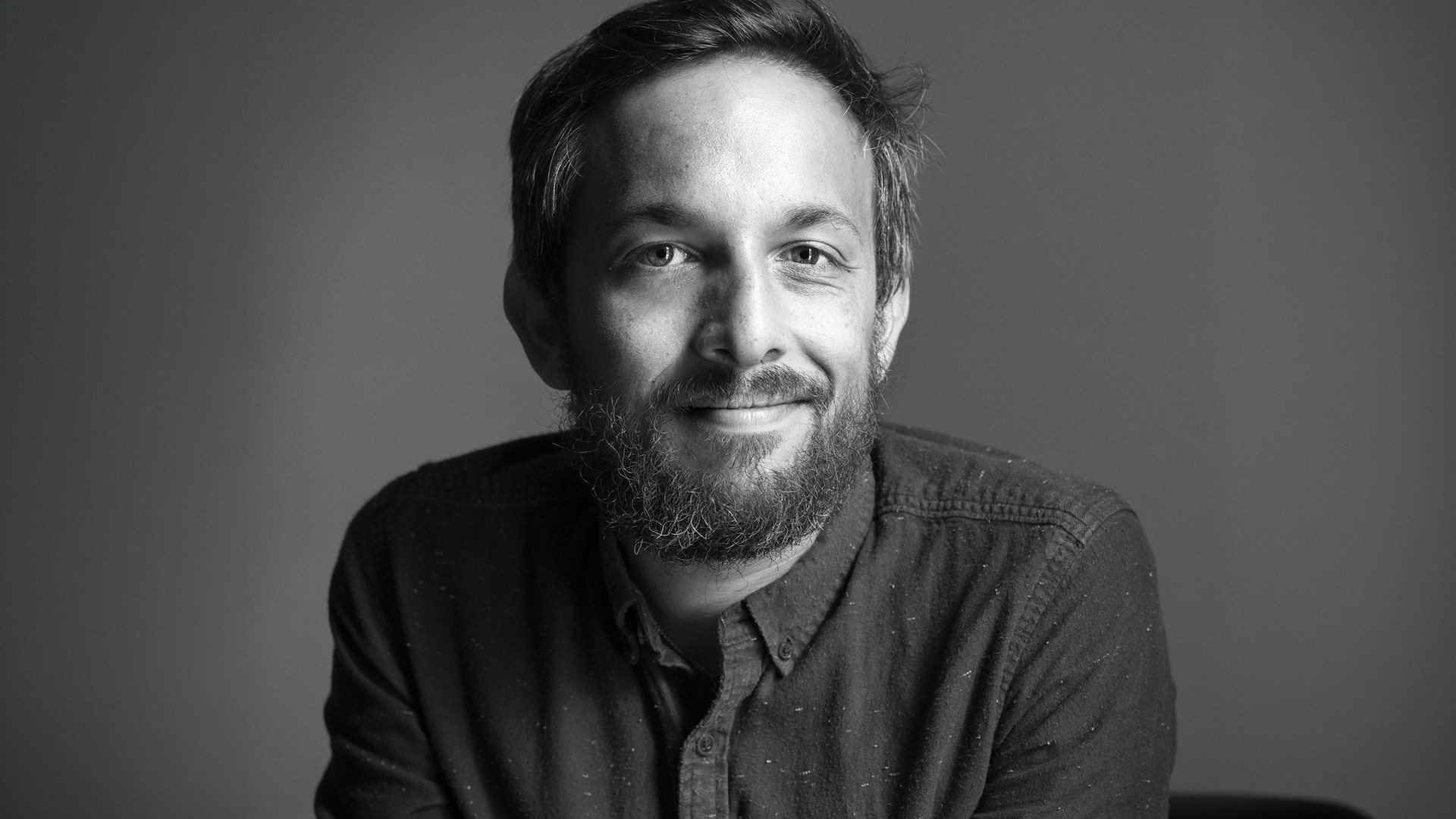
Nik Williams. Image: Supplied

A Strategic Lawsuit Against Public Participation, or a SLAPP, is a form of legal harassment used to silence those speaking out about issues in the public interest. The effects can be devastating. And they reach far beyond the people who end up in court. If you receive a legal letter threatening crippling costs, months of litigation and potentially ruinous consequences, you may decide that removing what you have written is the safest option. You may decide not to publish something in the first place. You may simply stop asking questions. However, thanks to the courage of people who have spoken publicly about their experiences, we are beginning to understand just how much public-interest information is being lost.

Many of us will have encountered SLAPPs without knowing the name. Think of an investigative journalist sued by the subject of their reporting – perhaps an oligarch or someone accused of wrongdoing. The journalist may have checked their sources and stands by their work. But if they cannot afford to defend it, they may have little choice but to retract, issue an apology or agree never to write about the subject again. For every piece of journalism spiked and every journalist spending time preparing for court instead of being out on the beat, it is the reader, us, that suffers. But journalists are far from the only people affected. Few aspects of society are untouched. The UK Anti-SLAPP Coalition, of which I am a co-chair, has spoken to a number of people targeted for speaking out.  

A student journalist was threatened with “significant personal debt” before he graduated for putting questions to a local club promoter after receiving tips that he wanted to corroborate.

A Penrith campaigner who was sued for comments made on a Facebook group he set up to support neighbours affected by the ‘Penrith pong’ – a foul odour covering parts of the town – has described more than three years of legal uncertainty as “sheer hell”.

Read more:

A survivor of sexual and gender-based violence told us how the stress of defending herself in court contributed to the collapse of her business and serious health complications. And a tax campaigner was told one of the ways he could avoid a costly court hearing was if he declared publicly that the claimant was “the leading barrister in the field of taxation in the country”. 

Advertising helps fund Big Issue’s mission to end poverty

We have also spoken to tenants, local campaigners, a maternity healthcare campaigner, victim advocates, academics, environmentalists and those who have posted online reviews. This is only a snapshot of the cases and an even smaller snapshot of the broader problem. Many people targeted by SLAPPs are too frightened to speak about what has happened to them. That fear is part of what makes SLAPPs so effective.

The power of a SLAPP does not necessarily come from winning or losing a case. It comes from making someone afraid of what might happen if they continue. And the British legal system is extraordinarily expensive to navigate. According to lawyer Mark Stephens, quoted in research carried out by Foreign Policy Centre, “£500,000 is the ‘absolute floor for a full-scale libel trial, with most starting at £1 million.” While SLAPPs are bigger than libel actions, the cost of mounting a defence represents a significant barrier to accessing justice. Lucy and
Verity Nevitt were sued by the man who had sexually assaulted them, after they named him to warn others. Eventually they agreed to a settlement but Lucy told the Sussex Express: “If we’d had the money we would have gone the whole way.”

While governments of different stripes have acknowledged the corrosive impact of SLAPPs, progress to stop them has faltered. At the moment all we have are limited and flawed protections for reporting on economic crime. However, a bill announced in the House of Lords in June is looking to be more ambitious – establishing universal protections and an early dismissal mechanism which will give courts and judges the tools they need to discard abusive legal actions at an earlier stage, ie before costs have accrued. Another in the House of Commons will receive its second reading in the autumn. 

These powers are needed now more than ever. At a time of increasing capacity and financial pressures, British courts should not be at the beck and call of such abusive actions designed to silence public interest speech. An anti-SLAPP law will offer a way to protect a right we cannot take for granted – that of speaking up on issues that are important to us. Only time will tell whether policymakers will take the next step.

Nik Williams is policy and campaigns officer at Index on Censorship and the co-chair of the UK Anti-SLAPP Coalition

Do you have a story to tell or opinions to share about this? Get in touch and tell us more

Change a vendor’s life.

Buy from your local Big Issue vendor every week – and always take the magazine. It’s how vendors earn with dignity and move forward.

You can also support online:
Subscribe to the magazine or support our work with a monthly gift. Your support helps vendors earn, learn and thrive while strengthening our frontline services.

Thank you for standing with Big Issue vendors.

Advertising helps fund Big Issue’s mission to end poverty

Do you know how Big Issue 'really' works?

Watch this simple explanation.

Recommended for you

View all
I was homeless as a child. I know what Andy Burnham needs to do to end rough sleeping for good
Danny Beales walks down a street in Ruislip Manor with a blue bridge in the background spelling the name of the area
Danny Beales

I was homeless as a child. I know what Andy Burnham needs to do to end rough sleeping for good

Why building homes around railway stations is ‘far from an assault on the countryside’
a train at a station in the UK
Russell Curtis

Why building homes around railway stations is ‘far from an assault on the countryside’

Ending rough sleeping is the goal, but taking bars off benches is a good start
This anti-homeless bench in Bournemouth will hopefully soon be a thing of the past
John Bird

Ending rough sleeping is the goal, but taking bars off benches is a good start

Not every pensioner lives in a mortgage-free home. Rising rents mean more are facing homelessness
Pensioner Rob can't retire because he's renting
Morgan Vine

Not every pensioner lives in a mortgage-free home. Rising rents mean more are facing homelessness