It’s difficult to put into words the toll this can take on people who are often already incredibly vulnerable and traumatised. The people I work with – some of whom survived war, trafficking, and sexual violence – are doing everything right, but the goalposts keep moving and there’s no end in sight.
Read more:
Why does this matter for rough sleeping? Well firstly, homelessness doesn’t begin when someone lays a sleeping bag on a pavement. It begins much earlier, with rising costs, financial shocks, and a lack of support when things go wrong.
Keep reading the journalism that powers our mission
Register free to continue and learn more about the stories, campaigns and the support we provide, helping people facing poverty across the UK.
Mahmood has infuriated fellow minsters by repeatedly refusing to say what impact her plans will have on homelessness. The Home Secretary may be reluctant to show her homework, but we can spell it out for her. Migrants face all the same pressures that UK citizens face in securing safe, affordable housing. But, uniquely, they’re legally barred from accessing almost all types of support from government, even if they’re at risk of homelessness. Those who face illness, redundancy, relationship breakdown or other crises have fewer protections to fall back on.
Migrants can sofa-surf for months, remain in unsafe relationships, or endure exploitation because they have nowhere else to go. By the time they appear in official rough sleeping statistics, they have often experienced a long period of housing insecurity.
At Praxis we see these pressures every day. Recently, I supported a man in his seventies who had been granted leave to remain but was still denied access to public funds. Unable to afford stable accommodation, he moved between friends’ homes while trying to avoid ending up on the street.
Another client, a new mother with a baby, is currently facing eviction. Despite working and paying rent, she cannot afford alternative accommodation and is waiting on immigration decisions that will determine what support she can access. Neither of these people are sleeping rough, but they are living on the edge of homelessness because the safety net available to most people remains out of reach.
Earned settlement will make these problems worse. Hundreds of thousands of people will now spend years longer paying visa fees and immigration charges while remaining subject to NRPF restrictions. The government has confirmed that, to qualify for settlement, people need to have had no access to benefits in the five years before they apply – or else face a 20-year wait. Where does that leave people who become ill, lose their job, fall on hard times, or develop a disability? Ministers still haven’t explained how those people will be protected.
New requirements around earnings and having no criminal record whatsoever will also bar others from ever qualifying for settlement. This is certain to drive up the number of people who lose their lawful immigration status after years of living and working here.
Ministers have argued that delaying settlement could reduce future spending on welfare and public services. But analysis suggests that government claims of £10 billion in savings to the public purse are flawed and the government has yet to publish the methodology behind its calculation. Even if savings are made on paper, it’s worth asking if we are saving money or shifting the cost elsewhere?
When people are pushed into homelessness, local authorities, homelessness services and charities inevitably pick up the pieces. The NHS and other statutory service providers will also see greater pressures.
What’s much clearer is the toll earned settlement will take on families. Research analysing government data estimates that delaying settlement could leave up to 90,000 children experiencing prolonged poverty by 2029. Under earned settlement, these children would live under a two-tier system where the child of a high-earning banker could settle after three years; whilst the child of a care worker could have to wait fifteen. That’s an entire childhood spent in limbo and it leaves their families under enormous financial and emotional strain.
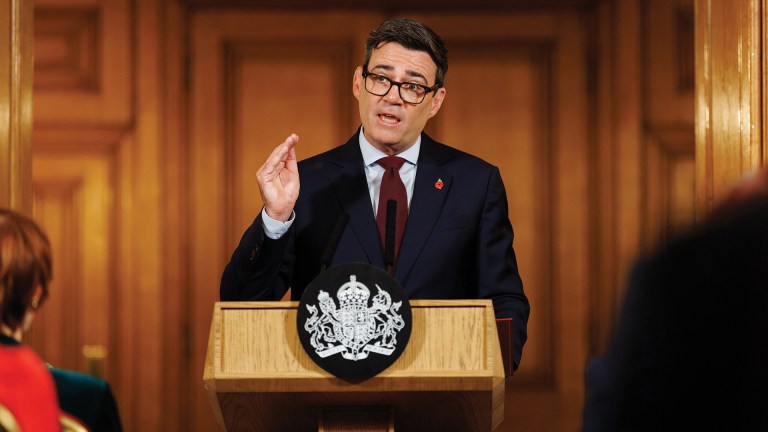
Burnham is right when he says prevention is central to ending rough sleeping. If Labour is serious about this, it needs to recognise what specifically helps migrants experiencing homelessness. First and foremost, the immigration policies that drive housing insecurity – like the NRPF condition, expensive visa fees and long settlement routes – need urgent reform.
Homelessness services also need access to specialist immigration advice. Local authorities need the resources and flexibility to support migrants before they reach crisis point and government policy should reduce the risk of destitution: not amplify it.
Binning the earned settlement proposals would have been a good start.
At Praxis, we spent the last year campaigning against earned settlement and more than 10,000 people joined our call for it to be scrapped. Those voices are a reminder that Britain is not defined by the loudest anti-migrant voices who show up in balaclavas and most people understand that the people affected by these reforms are not statistics. They’re the colleagues, neighbours and parents who have made their lives here and contribute to ours every day.
But don’t just take my word for it. More than 200,000 people responded to the government’s own consultation and 84% of individuals and 79% of organisations disagreed with the plans.
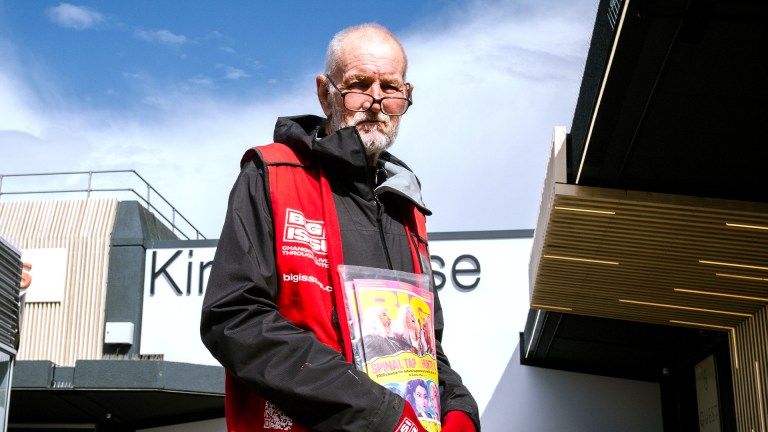
If Labour doesn’t listen and put earned settlement on the scrap heap, then more people will end up following the same path that Simon did. He spent 20 years falling through the gaps and we need to be closing them, not widening them.
If Andy Burnham wants to end rough sleeping for good, the solutions must work for everyone, including migrants.
Bethan Lant works as head of capacity building at Praxis, a human rights charity that supports migrants and refugees
Do you have a story to tell or opinions to share about this? Get in touch and tell us more.
Change a vendor’s life.
Buy from your local Big Issue vendor every week – and always take the magazine. It’s how vendors earn with dignity and move forward.
You can also support online:
Subscribe to the magazine or support our work with a monthly gift. Your support helps vendors earn, learn and thrive while strengthening our frontline services.
Thank you for standing with Big Issue vendors.