Is council tax fair? The bills coming through your door seem like a fact of life as unavoidable as quiz shows or the weather. Yet mounting bills, compounded by spiralling costs, are causing misery, dragging low-income families into the courts and piling on unpayable debts. Could there be a different way for local authorities to raise funds? A way that would share the burden more equitably?
In Scotland there has been intense – if limited – debate over council tax. In 2008 the SNP forced a freeze on council tax rates. Scottish Labour attacked them for preventing councils from raising funds to pay for vital services. Now local authority bosses have been ‘freed’ to raise them again, with most opting for a three per cent increase. Eight Labour-led councils are maintaining the freeze to ‘protect’ people ahead of local elections in May.
More fundamental is the regressive structure of the tax: the ludicrously outdated property valuation bands, and the fact incomes are not considered. Thresholds across Britain were set in 1991 – a quarter of a century ago, before the boom in the housing market – and are now grossly archaic. A decade ago the SNP favoured replacing council tax with a local income tax north of the border, before it was deemed too difficult. MSPs in Scotland – of all parties – have now voted to slightly raise rates on the top four council tax bands, E-H, from April this year.
But in England and Wales the difference in payment demands on rich and poor remains scandalously slight. A bill for a top-end band H home is only three times that of a low-end band A home, even if the band H home is worth 10 or 20 times as much. Wealthy oligarchs and poor little old ladies living in the same west London streets are asked to pay exactly the same amount.
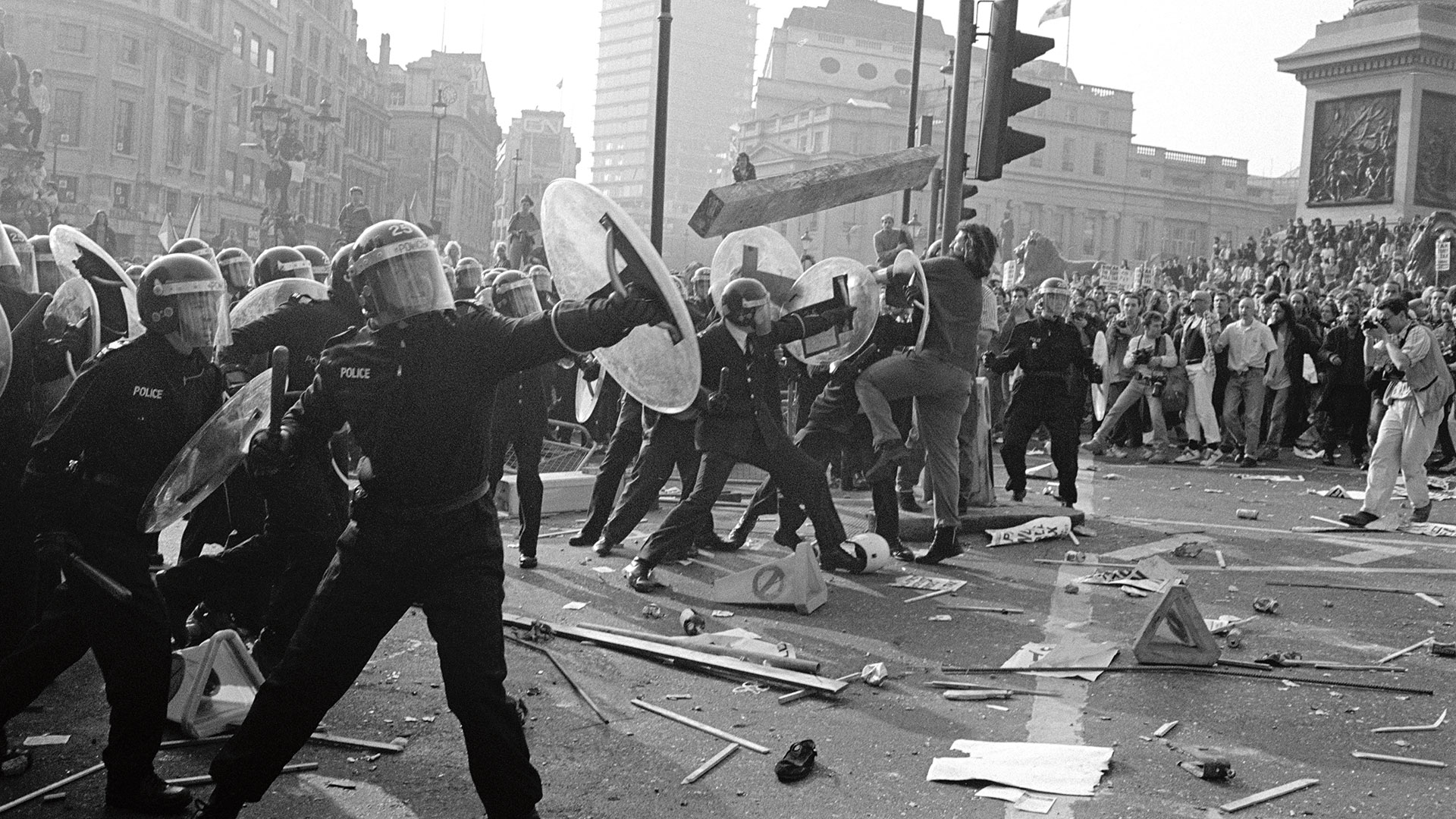
But reforming any property-related tax is a tricky business. Memories of Margaret Thatcher’s poll tax experiment – the last serious attempt to change the nature of local taxation – haunt all attempts to tinker. When Labour under Ed Miliband proposed a ‘mansion tax’ – an additional tax on properties worth £2m or more to address the inadequacy of the council tax – it was picked apart by columnists and Conservative politicians as cumbersomely unworkable.
Is there an alternative? There has to be. As courts continue to be brought to a standstill by council tax debt cases and bailiffs make more visits to desperate families, Westminster needs to wrestle with the issue as Holyrood has tried to do, to find a way of updating council tax for the post-property boom age, and make the wealthy pay their fair share.