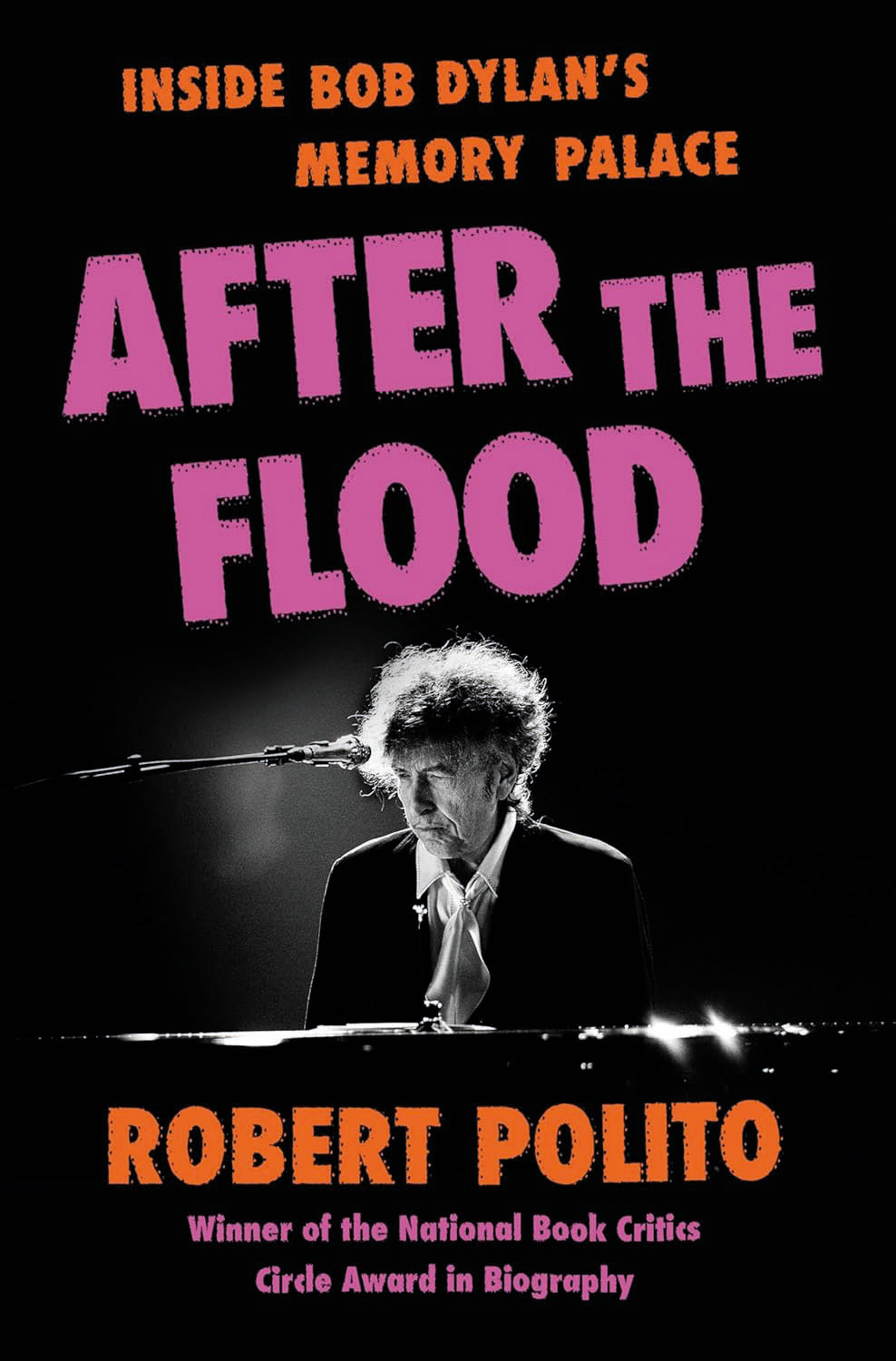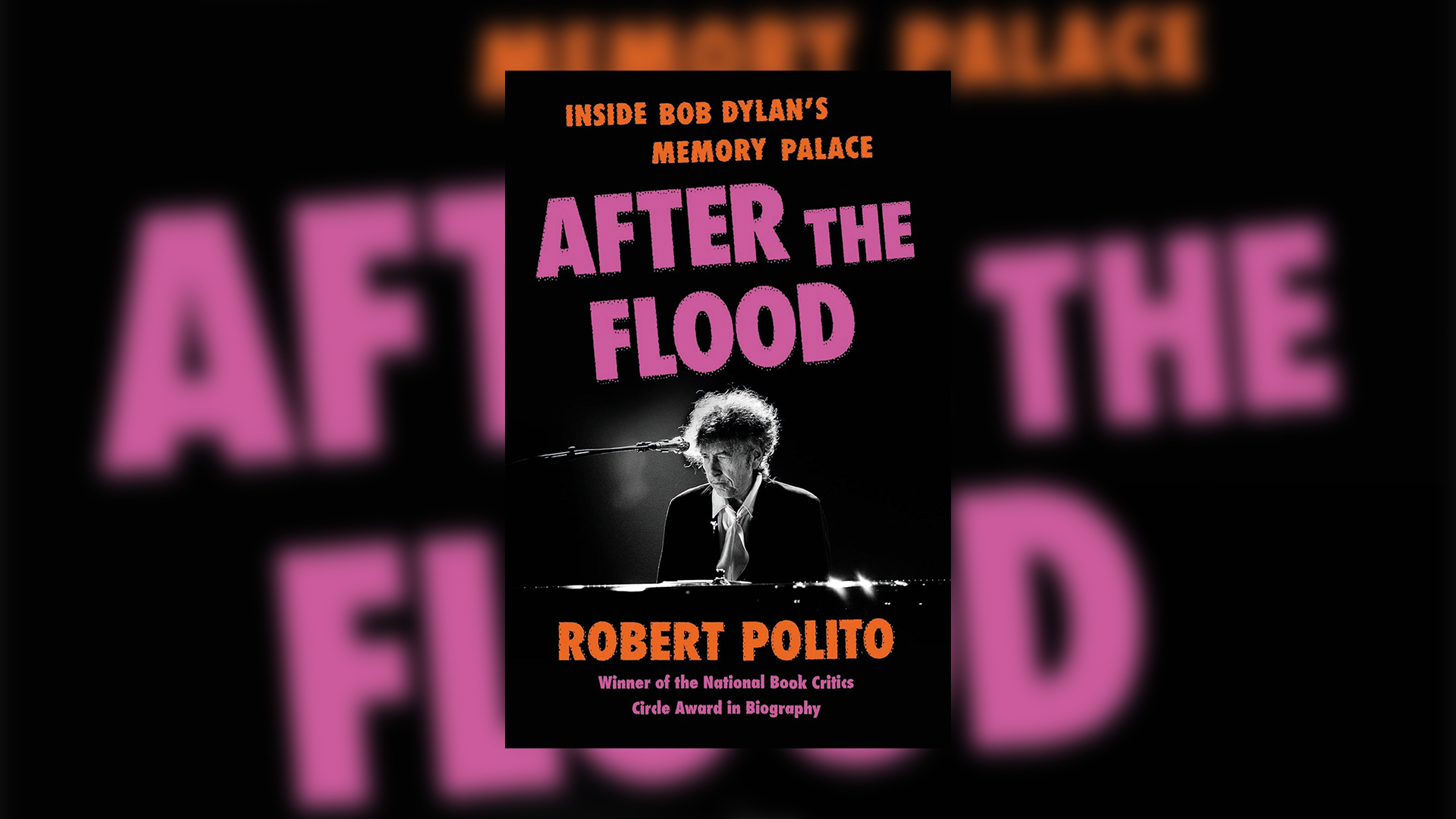
Received wisdom dictates that Bob Dylan’s imperial phase was in the ’60s and ’70s, with everything after that little more than an extended footnote of only occasional interest. That, argues the celebrated author, poet and academic Robert Polito in After the Flood: Inside Bob Dylan’s Memory Palace, is arrant nonsense. Dylan’s genius didn’t fade, it continued to evolve and mutate in all sorts of fascinating ways.
His persuasive thesis unfolds from around 1991 to 2024, 30-plus years of peripatetic creativity during which Dylan released 13 albums, played over 3,000 dates on his never-ending tour, published two books, co-wrote and starred in a film, hosted a weekly radio show between 2006 and 2009, exhibited his paintings and sculptures in galleries all over the world, and received – with typical wariness – the Nobel Prize in Literature.
Read more:
- Bob Dylan: Shadow Kingdom – review
- Bob Dylan: Jewish Roots, American Soil by Harry Freedman review – other Dylan books are available
- If Bob Dylan tells us it’s time for joy, we’d better pay attention
Polito provides in-depth analysis of all the key works from this period in a kinetic prose style befitting his subject. His fluid torrent of questions, allusions, digressions and theories never loses focus, there is method to his idiosyncratic approach to this material.
It flits back and forwards in time, thus emphasising his overall point that, for Dylan, history isn’t a thing of the past, but rather something that is constantly in flux, a vast tapestry of characters, incidents and places, an infinitely repeating hall of mirrors, a swirling collage of facts, memories, fantasies and dreams he can draw upon to create timeless works of art.
The Dylan we find here is a voracious collector of weird Americana, a man steeped in decades of popular culture – both so-called high and low – who continues to delight in confounding expectations.