Advertising helps fund Big Issue’s mission to end poverty
Books

The science behind racism: How discrimination is still holding people back in the jobs market

Studies have shown that racism is rife in the job market

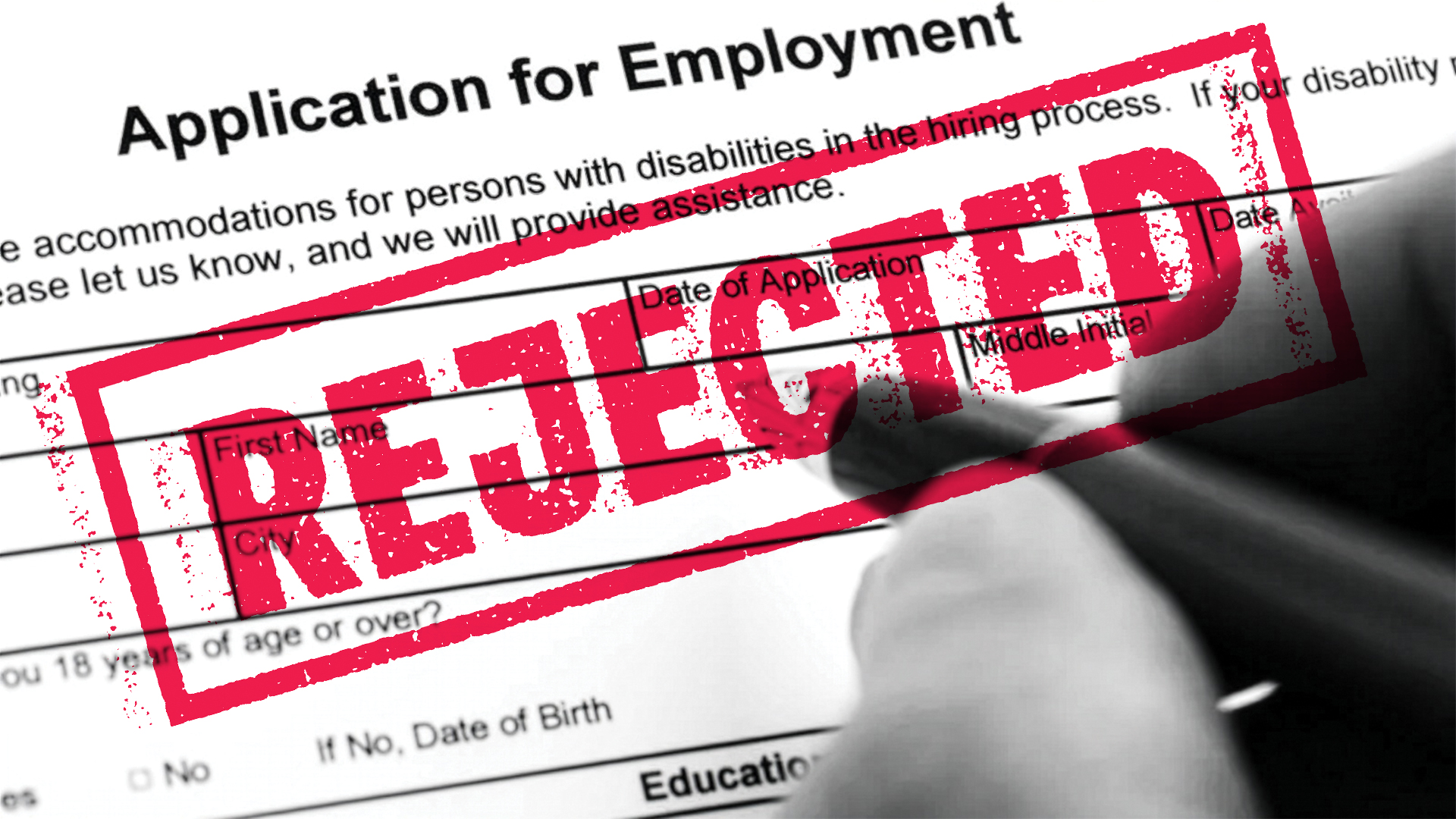
A rejected stamp on an employment contract

The Science of Racism explains how racism works with other forms of discrimination when it comes to employment.

Should we still be talking about racism? The last few years have been economically brutal for many. The cost of living has increased sharply as has unemployment. What was originally called a ‘crisis’ has become routine. With inflation peaking at 11% and wages often lagging behind, many British households are living harder, poorer lives. Maybe, considering all this, racism is no longer that important. 

Or maybe it still is. While many people across the UK are having a hard time, racism remains the reason why some are having a harder time than others. What’s the evidence? In a 2019 experiment, Valentina Di Stasio and Anthony Heath applied for approximately 3,200 jobs in the UK using CVs that were almost identical except for one thing: the name (and thus the apparent race) of the applicant.

But since the CVs were otherwise equivalent, all the applicants still had about the same success rate, right? Wrong. Di Stasio and Heath found race had large, reliable effects on applicants’ likelihood of being selected for an interview. White, British-sounding names had a success rate twice as high (24.1%) as equally qualified black-sounding names (12.3%). 

Get the latest news and insight into how the Big Issue magazine is made by signing up for the Inside Big Issue newsletter

Many other studies have found the same thing. Indeed, Heath and Di Stasio also published a meta-analysis of 43 similar British experiments. They found that racial discrimination was “substantial and highly significant”, noting, for example, that “black Caribbean applicants had to make about 50% more applications than their white British counterparts in order to receive a positive response”. The scientific evidence is irrefutable; racism still matters in the job market. 

Of course, many people face unique challenges that aren’t about race. A 2003 study by Devah Pager used similar methods to test the effects of criminal records as well as race. Pager found that white applicants with a criminal record were much less likely to be called to interview (17%) than otherwise equivalent white applicants without a criminal record (34%). The discrimination was clear. 
Advertising helps fund Big Issue’s mission to end poverty

However, what is also clear is that none of this refutes the existence of racism. Indeed, in that same study, Pager also found clear evidence of racism. Not only were black applicants less successful than equally qualified white applicants whether they had a criminal record (5% vs 17%) or not (14% vs 34%), the shocking, dismaying finding was that even black applicants without criminal records (14%) were treated worse than otherwise identical white applicants with criminal records (17%). Other forms of discrimination often work with racism, not undermine it.  

Read more:

Sometimes the pattern is more complex. For example, in a 2007 American study, Weeks and colleagues gave participants information about a certain ‘Kevin’ who was performing well at his job and asked the participants to say how much of a pay increase Kevin should get. Like the other experiments mentioned here, most of the information about Kevin was the same except for two things: Kevin’s race (white vs black) and class (middle class vs working class). 

In this experiment, white, working-class Kevin was treated the worst with an average raise of $3,072: $1,595 less than black working-class Kevin, who had an average raise of $4,667. However, before anyone jumps to the wrong conclusion, we should also note that the person who did, by far, best of all (a whopping $6,053 better than white working-class Kevin and $2,780 better than black middle-class Kevin) was white middle-class Kevin, with an average raise of $9,125. 

Importantly, the gap between the working-class Kevins was relatively small, while the gap between them and the white middle-class Kevin was relatively large. The lesson: beware the rich person telling you to see black and brown people in similar positions to yourself as your primary competitors. He might just be trying to distract you from his own massive, unearned privileges. 

This goes beyond race and class. In 2023, Lippens and colleagues conducted a meta-analysis of 169 similar studies across Europe (including the UK). They found hiring discrimination on the grounds of “race, ethnicity, and national origin, age, religion, disability, physical appearance, wealth, and marital status”. Acknowledging these many types of discrimination does not challenge the evidence of racism.

Rather, it invites us to honestly discuss how racism interacts with many other biases to unfairly affect (almost) all of us. The more we discuss this evidence, the harder it will be for unscrupulous charlatans to pretend that discrimination isn’t real, or that it doesn’t matter, or that we should be fighting each other instead of working together to ensure a fairer Britain for everyone.

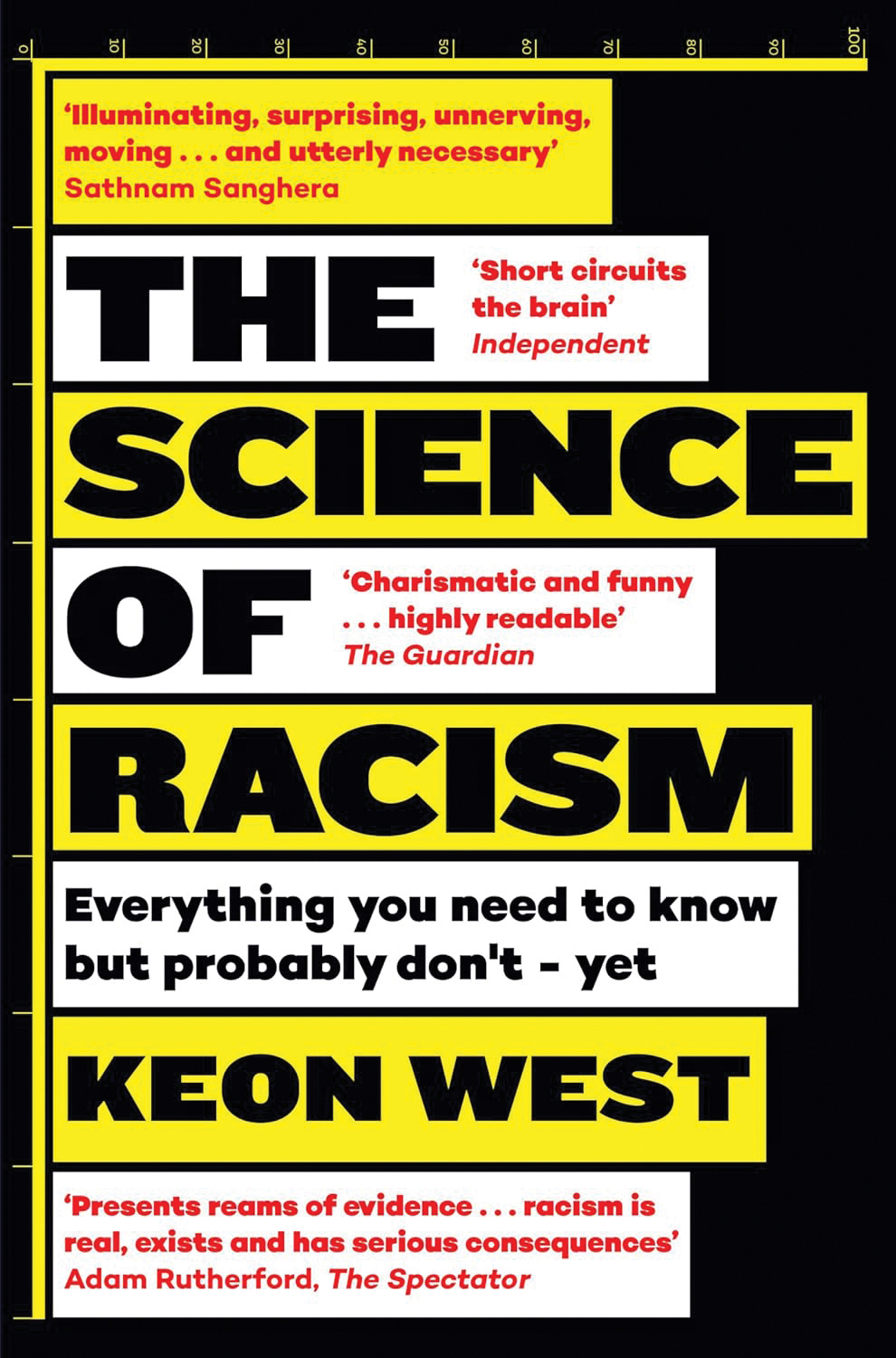
The Science of Racism by Keon West is out now (Pan Macmillan, £10.99). You can buy it from the Big Issue shop on bookshop.org, which helps to support Big Issue and independent bookshops.

Do you have a story to tell or opinions to share about this? Get in touch and tell us more

Change a vendor’s life.

Buy from your local Big Issue vendor every week – and always take the magazine. It’s how vendors earn with dignity and move forward.

You can also support online:
Subscribe to the magazine or support our work with a monthly gift. Your support helps vendors earn, learn and thrive while strengthening our frontline services.

Thank you for standing with Big Issue vendors.

Advertising helps fund Big Issue’s mission to end poverty

Do you know how Big Issue 'really' works?

Watch this simple explanation.

Recommended for you

View all
Top 5 books about lying, chosen by Aea Varfis-van Warmelo, poet and author  
Top 5 books

Top 5 books about lying, chosen by Aea Varfis-van Warmelo, poet and author  

The Delusions by Jenny Fagan book review: speaking truth to power with wit and fire
Books

The Delusions by Jenny Fagan book review: speaking truth to power with wit and fire

City Like Water by Dorothy Tse book review: the quiet dissent of a city unravelling
Books

City Like Water by Dorothy Tse book review: the quiet dissent of a city unravelling

The science behind why you can't lose weight  
An illustration of a brain and cupcake on a scale
Books

The science behind why you can't lose weight