Advertising helps fund Big Issue’s mission to end poverty
Social Justice

Why food insecurity means homeless people need dieticians

Hunger can stop disadvantaged people from getting into education or work, says Centrepoint diet expert Isabel Rice

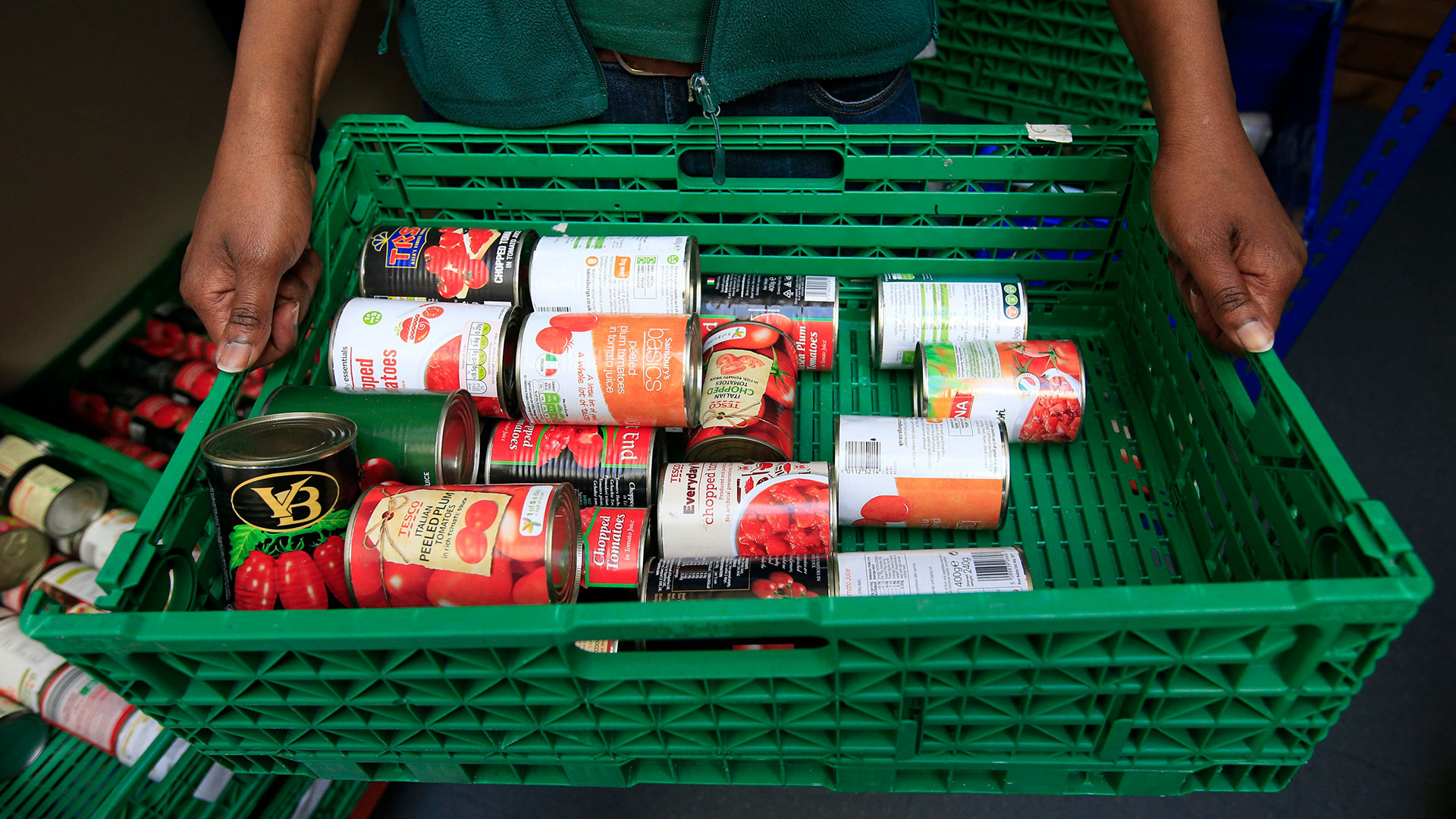
Food bank Trussell Trust

A healthy, balanced diet is difficult to fit into any lifestyle, even more so for those who are homeless. People sofa surfing, in supported accommodation or rough sleeping can be affected by hunger and malnutrition, preventing them moving on with their life.

Isabel Rice is a dietician who works for homelessness charity Centrepoint. She says that food insecurity is on the rise.

“We did a survey in 2017 and more than 60 per cent [of clients] said they go to bed hungry or skip meals because of a lack of money. In the current climate with universal credit and benefit issues it’s happening more and more.

“Hunger has a knock-on effect on everything else. If you’re malnourished you can’t function properly. We see a lot of nutritional deficiencies, particularly vitamin D and iron deficiency, which leads to tiredness, low mood, depression – on top of the fact that everyone we work with has been through some kind of trauma.

“We also know that worrying about food and being hungry has a negative impact on mental health. It’s a cycle. Anything you’re trying to do – get someone into education or work, or support them with substance issues – if they’re in a place where they’re not healthy it puts them at a massive disadvantage.”

There are several reason homeless people struggle with eating properly, besides the economics. Some are anxious to go into shops where they can feel under constant observation. They often lack the time, place to cook and the skills to do so. Rice works with many young people who were brought up without ever having a homemade meal.


Advertising helps fund Big Issue’s mission to end poverty

Rice says a lot of the people she works with will only eat once a day, “if that”, especially if they have substance use issues which take priority when money is limited.

“If you think of the typical teenage diet, it’s generally not exactly in line with recommendations,” she says. “Teenagers who are living in a supportive family might go to the shops and buy sweets after school but when they get home they’re probably going to have a decent cooked-meal. Some of the young people I’ve worked with have never had that.”

Read the rest of the special report in this week’s Big Issue.

Advertising helps fund Big Issue’s mission to end poverty

GIVE A GIFT THAT CHANGES A VENDOR'S LIFE THIS CHRISTMAS 🎁

For £36.99, help a vendor stay warm, earn an extra £520, and build a better future.
Grant, vendor

Recommended for you

View all
It's the season of goodwill – but does anyone actually give back at Christmas?
Your views

It's the season of goodwill – but does anyone actually give back at Christmas?

What do homeless people really think about Labour's digital ID cards?
Lord John Bird on Suella Braverman's comments regarding street homelessness as a lifestyle choice
Digital ID

What do homeless people really think about Labour's digital ID cards?

Is the cost of living crisis over and will prices in the UK ever come down?
Cost of living crisis

Is the cost of living crisis over and will prices in the UK ever come down?

Young people to be taught about consent amid warnings 'we cannot police our way out of crisis'
domestic abuse survivor/ silhouette of woman
Violence against women and girls

Young people to be taught about consent amid warnings 'we cannot police our way out of crisis'