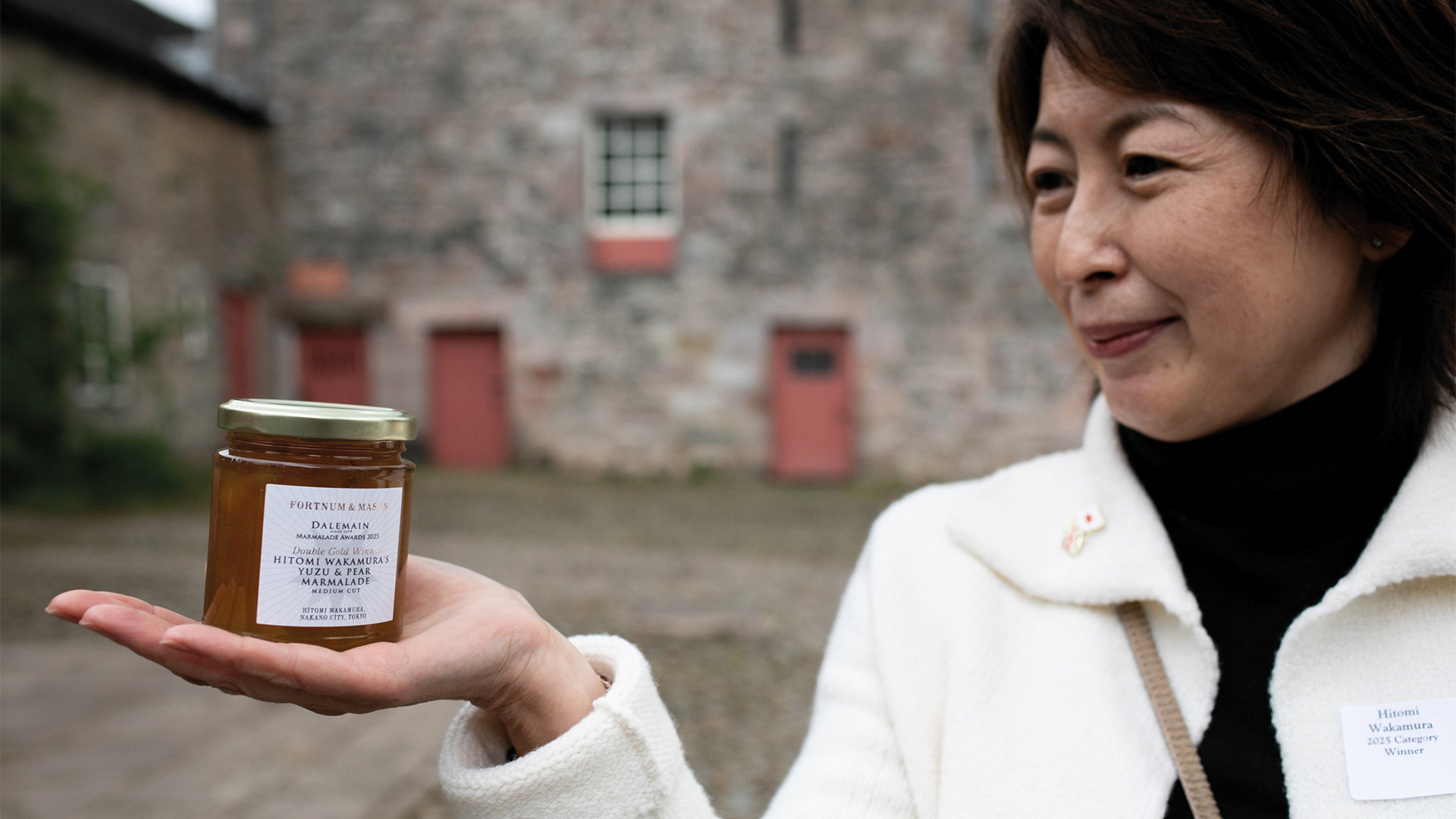
What do a Taiwanese orphanage, inmates of HMP Styal in Cheshire and staff at the British embassy in Amman, Jordan, have in common? They’ve all competed in the World Marmalade Awards.
The first printed recipe for orange marmalade, an adaptation of quince paste developed in Portugal, appeared in A Collection of Above Three Hundred Receipts in Cookery, Physick and Surgery, a 1714 book by Mary Kettilby.
But it was the Scots – who always know how to make life better by making it unhealthier – who innovated; adding water so it became spreadable and turning it into a breakfast staple (Marma-legend has it the name derives from it being given to Mary Queen of Scots as a seasickness remedy, her servants fretting: “Marie est malade,” but really the name comes from the Portuguese “marmelada”).
The very British fruit preserve has international roots and now has a global popularity that is continuing to grow. One event has done much to preserve and promote the preserve. The Dalemain World Marmalade Awards, held at the Dalemain country house estate in the Lake District, was set up by Jane Hasell-McCosh 21 years ago but the celebration, aptly perhaps, had a bitter beginning.
“Tourism was hit badly after foot and mouth, which affected Cumbria and its communities for a long time afterward,” says Beatrice McCosh, Jane’s daughter, who now also works with the festival.
“So this was an effort to bring people back to the area with something a little different. It is a preserve that is historically made in January and February, when not much else is going on and the weather might put people off coming to Cumbria, so it was a good time to hold the event.”