Advertising helps fund Big Issue’s mission to end poverty
Housing

Don’t be fooled: reviving the Help to Buy scheme won’t make housing more affordable in 2026

A government review of the Help to Buy scheme found that it provided ‘significant value for money’. IPPR’s Maya Singer Hobbs argues there are better ways to boost affordability than a revival of the post-financial-crash scheme

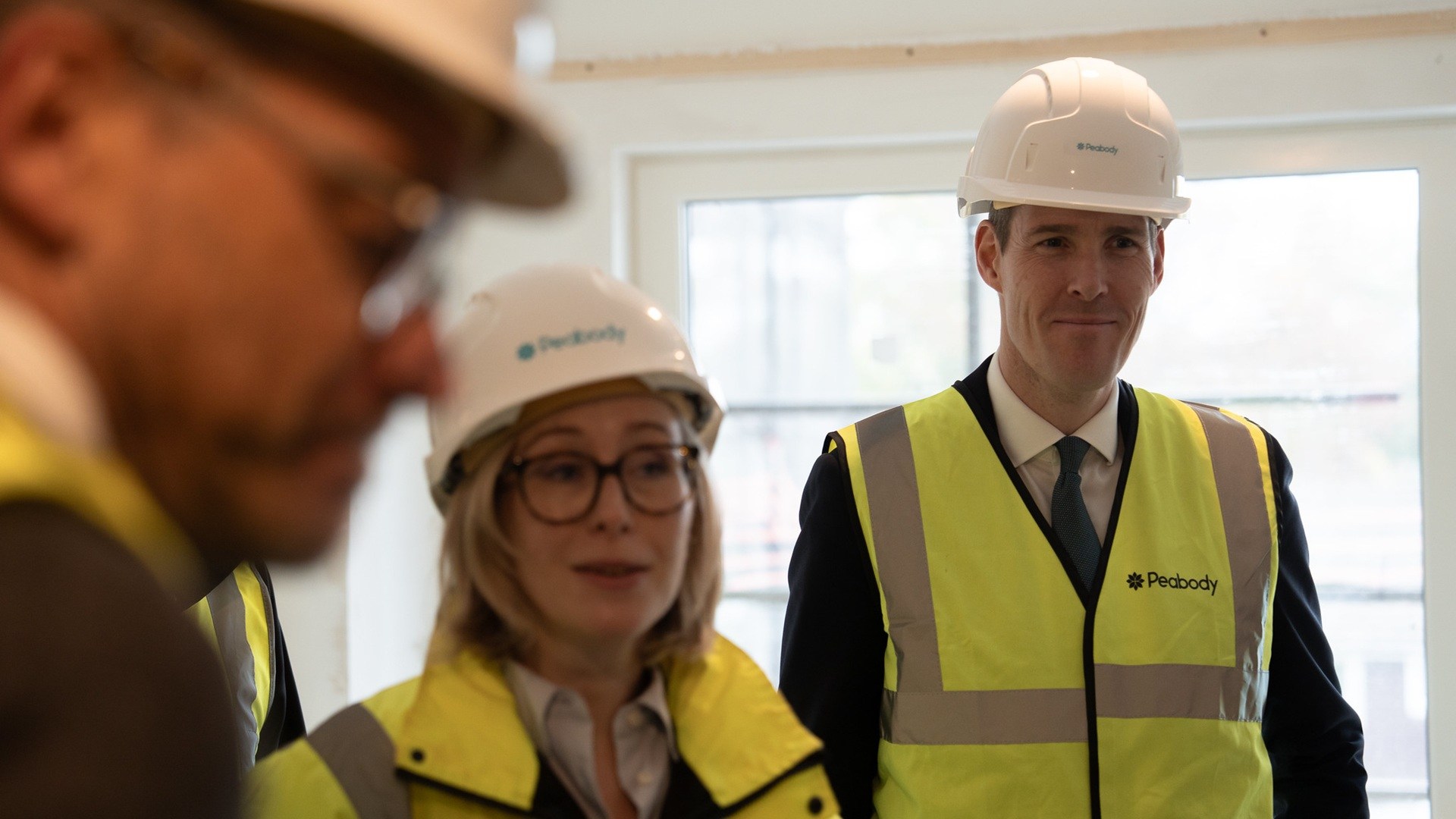
Housing minister Matthew Pennycook with two other people, all in hi-vis with hard hats

Housing minister Matthew Pennycook is interested in a new version of the Help to Buy scheme, according to reporting from The Guardian. Image: Ministry of Housing, Communities and Local Government

A review of Help to Buy, released on 15 September, found that the scheme increased access to home ownership, boosted housing supply, and provided significant value for money. Developers are already using the findings to call for a new scheme, but ministers should resist drawing the wrong lessons. 

Help to Buy was a government scheme that gave eligible buyers a low-interest loan which covered part of the value of their home. The loans were paid to the housebuilder via the buyer on completion of the house sale. When the home was later sold, the loan was paid back to government in such a way that accounted for an increase in the value of the home, meaning government benefited from an increase in value.  

There are several reasons why this worked particularly well in 2013. For housing developers, it stimulated demand for new-build properties. Of the buyers who used Help to Buy, the evaluation found that 46% would not have been able to buy a home without the scheme, although this means that over half would have bought a home anyway. Government benefitted from the loans sitting ‘off-balance sheet’ and low interest rates. 

The housing market today is very different from 2013. Help to Buy was introduced against a backdrop of ultra-low interest rates and a weak construction sector in the wake of the 2008 financial crisis. Today, interest rates are higher and likely to stay high, and, unlike the previous iteration, any government lending will be ‘on-balance sheet’. If interest rates were low, this would be less of an issue, but today, stubbornly high interest rates means that covering the difference becomes increasingly expensive for government, making it harder for government to keep within the fiscal rules without making changes to taxes or other spending. In addition, under the original scheme government returns were guaranteed by a strong growth in house prices, which is less guaranteed now.  

While demand and a faltering construction sector is a problem today, as it was in 2013, the bigger issue is affordability. Supply of new homes is key, but the evaluation found that Help to Buy did push up house prices. Subsidising buyers risks boosting purchasing power without fixing the shortage of genuinely affordable homes. Under the current fiscal constraints, government faces a clear spending choice. If there are billions to put into housing, government should ask whether that money would deliver more by building social and council homes, rather than subsidising private purchases. 

Read more:

Advertising helps fund Big Issue’s mission to end poverty

The review highlighted the high value for money of Help to Buy, with the report suggesting that “the scheme is estimated to have generated a net present social value of £25.1 billion”. This value for money is driven by land value uplift, which is the difference in value of residential land compared to agricultural or brownfield land, driven by house price growth. Under the current economic context, it is not sensible to assume the uninhibited house price growth in the years following 2013, and it’s also worth noting that increasing house prices is in opposition to government commitments on affordability. Investment in social and council housing also has high returns on investment, but without compromising affordability. Supporting people into social housing has an immediate impact on the welfare bill, not to mention the wider benefits that investing in social housing delivers.  

The lesson is to design policy for today’s housing crisis, not revive a scheme built for the aftermath of the financial crash. The prime minister has been explicit about wanting to boost council housing numbers, and the Treasury will have to answer valid questions about whether spending on a Help-to-Buy initiative to boost first-time buyers could be better spent boosting social housing numbers. Rather than stimulating demand among a group of buyers, over half of which are likely to be able to buy regardless, government should ensure any investment is directed towards those at the sharpest end of the housing crisis.  

Maya Singer Hobbs is a senior research fellow at IPPR

Keep reading the journalism that powers our mission

Register free to continue and learn more about the stories, campaigns and the support we provide, helping people facing poverty across the UK.

Do you have a story to tell or opinions to share about this? Get in touch and tell us more

Change a vendor’s life.

Buy from your local Big Issue vendor every week – and always take the magazine. It’s how vendors earn with dignity and move forward.

You can also support online:
Subscribe to the magazine or support our work with a monthly gift. Your support helps vendors earn, learn and thrive while strengthening our frontline services.

Thank you for standing with Big Issue vendors.

Advertising helps fund Big Issue’s mission to end poverty

Do you know how Big Issue 'really' works?

Watch this simple explanation.

Recommended for you

View all
Big Issue founder leads call for a national empty homes strategy: 'A completely wasted resource'
Big Issue founder Lord John Bird at a House of Lords debate on empty homes
Housing

Big Issue founder leads call for a national empty homes strategy: 'A completely wasted resource'

Council spending on housing homeless families in England at almost £3bn a year: ‘It’s crippling’
Jordan has been in and out of homelessness services for many years. Now in temporary accommodation, Jordan has been supported with his mental health and is positively moving forward.
Housing

Council spending on housing homeless families in England at almost £3bn a year: ‘It’s crippling’

'I grew up in social housing and now I'm going to Harvard. It's given me drive to change the world'
Monay Thomas in a graduation gown and mortar board celebrating her graduation from LSE
Education

'I grew up in social housing and now I'm going to Harvard. It's given me drive to change the world'

Rents in the UK are at record highs. Will they keep going up?
rents uk
Renting

Rents in the UK are at record highs. Will they keep going up?