Election costs are mostly made up of paying returning officers to administer elections and spending on posting candidate mailouts.
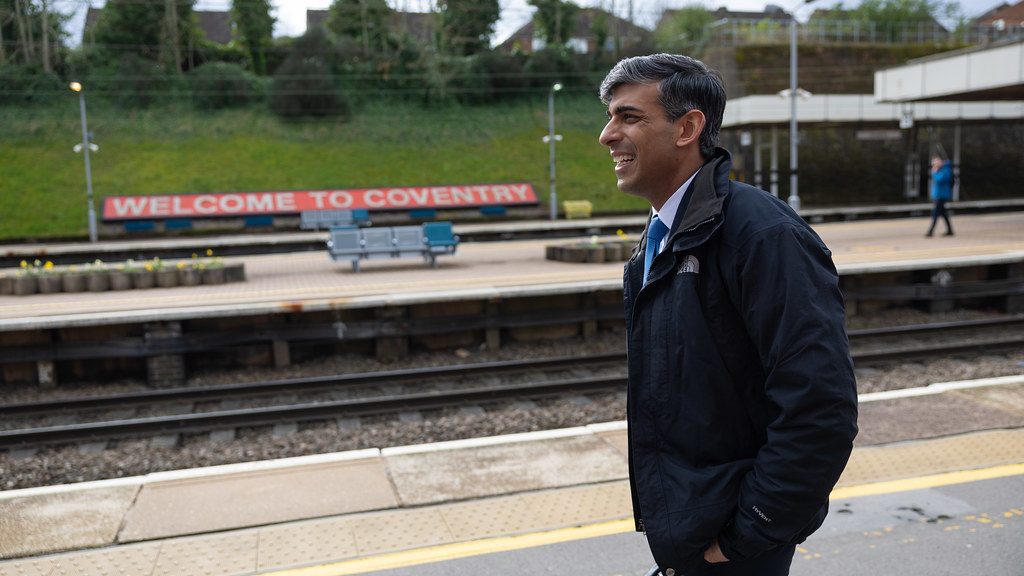
However, with polling cards already printed, Sunak would only have made the saving if he called the election in January – otherwise specialist electoral printers would have been overwhelmed with last-minute orders.
The true savings would likely be smaller, as a result of combining venues, said Laura Lock, deputy chief executive of the Association of Electoral Administration.
Continue reading for free
Registration is free and takes less than 30 seconds.
Our supporters make Big Issue’s work possible. Join us to see the impact we’re having together and discover more ways to help people facing poverty access income, opportunity and support.
“If the general election was called at short notice for 2 May there would have been some savings from combining it with Police and Crime Commissioner and local elections. This would mainly be from venues for polling stations and staffing costs, and some from count venues – although combined counts take longer,” Lock told the Big Issue.
“We believe returning officers should continue to be paid a fee for their duties. The role they take on sits outside their day jobs and confers weighty legal responsibilities. If there is any problem with an election, no matter how it has happened, the buck stops with them.”
Voter ID will also be used in a nationwide parliamentary election for the first time, driving up the cost of the poll.
Advertising helps fund Big Issue’s mission to end poverty
The controversial policy will cost £180m over a decade – with £30 million in staff costs alone, as around 30 million IDs are checked on polling day.
Dr Jess Garland, head of research and policy at the Electoral Reform Society, told the Big Issue: “New voter ID laws present a major challenge to the next general election.
“We know how damaging and disproportionate voter ID was at the local elections with 14,000 voters prevented from voting.
“This is the first time voter ID will be required at a national election, where turnout is usually higher. And whilst we don’t know what the full impact will be, it is likely that we will see many more voters turned away.
“It is critical that the government reviews this policy to avoid damaging public trust in our elections.”