The advance of artificial intelligence is a new vector of this trend. AI can generate productivity gains and innovation, but if left unregulated and without compensatory public policies, it tends to deepen the concentration of income and power. Large corporations that hold data and technologies increase profits and reduce skilled jobs, while millions face greater insecurity. Automation without social counterbalances creates new frontiers of inequality, dividing the world between those who control the algorithms and those who are controlled by them.
In Brazil where I live, the problem is particularly serious. Despite advances in poverty reduction, the country remains among the most unequal in the world in terms of wealth: according to the World Inequality Lab, the richest 1% hold almost half of all national wealth, while the poorest half own less than 1%. Such disparity can never be explained by individual merit, but rather the institutional and historical mechanisms that perpetuate privilege.
Brazilian inequality is also intergenerational. A person’s social position depends heavily on their parents’ income and education. Those born poor have little chance of rising out of poverty, and those born rich tend to remain at the top, often thanks to inheritance. Globally, it is estimated that 70 trillion dollars will be transferred between generations in the next decade, further concentrating economic power. In Brazil, low inheritance taxes and weak redistribution policies make this trend even more worrying.
Keep reading the journalism that powers our mission
Register free to continue and learn more about the stories, campaigns and the support we provide, helping people facing poverty across the UK.
The Special Committee is categorical: inequality is a political choice. It is neither inevitable nor a natural result of technological progress. It is the consequence of policies that have favoured capital over labour, reduced taxes on large fortunes and corporations, and weakened the redistributive role of the state. It also results from the absence of policies that expand opportunities, such as universal access to quality education, healthcare, housing, and decent work.
There are proven policy options at all levels: local, national, regional, and global. It is possible to correct imbalances before they occur by strengthening workers’ bargaining power, regulating markets and combating monopolies. It is also possible to correct them after they occur, with progressive tax systems, higher taxation on large fortunes and inheritances, and the expansion of public services that guarantee dignity for all.
At the global level, the report emphasises the need for international cooperation: restructuring sovereign debt, transparency and regulation of international financial flows, combating transnational tax evasion, and solidarity mechanisms for developing countries, ensuring that all have fiscal space to invest in education, health, and social protection.
These measures do not hinder growth; on the contrary, they can strengthen it. For decades, it was believed that a certain degree of inequality was necessary for development. But recent evidence shows the opposite: more egalitarian countries have more stable and sustainable growth. Institutions such as the International Monetary Fund and the World Bank recognise that excessive inequality undermines productivity, growth and financial stability.
The World Bank, for example, points out that high inequality may reflect a lack of opportunities for socioeconomic mobility, which can further hamper prospects for inclusive growth and poverty reduction over time.
The Committee’s central proposal is to create an International Panel on Inequality, bringing together global experts to monitor trends, evaluate policies and provide reliable data to governments and society. The panel would allow for monitoring the impact of economic and fiscal policies, which is essential in a world undergoing rapid technological, social, and ecological transformation.
G20 countries have a historic opportunity to support this initiative and place the reduction of inequalities at the centre of the global agenda. Combating inequality strengthens democracy, growth, and our collective future.
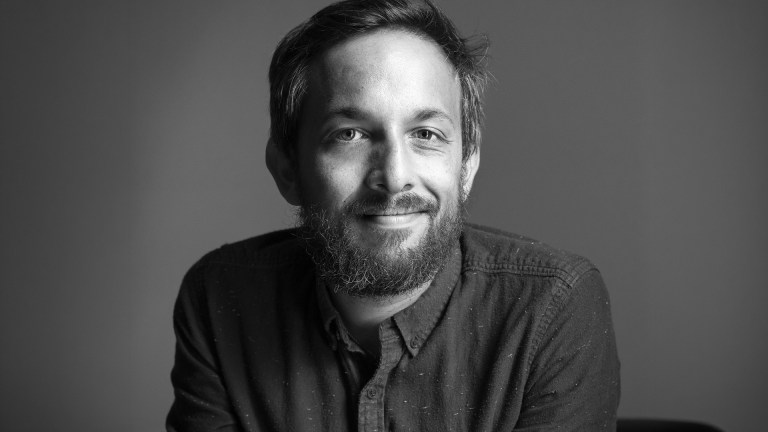
Adriana Abdenur is a member of the Extraordinary Committee of Independent Experts on Global Inequality.
Do you have a story to tell or opinions to share about this? Get in touch and tell us more.
Change a vendor’s life this Christmas.
Buy from your local Big Issue vendor every week – or support online with a vendor support kit or a subscription – and help people work their way out of poverty with dignity.