Advertising helps fund Big Issue’s mission to end poverty
Opinion

Transgender Day of Visibility: Why I'll try being invisible this year

Transgender Day of Visibility primarily functions to make cis people feel good about tuning in once a year, says activist Alexa Moore, because the fight for equality is a daily struggle.

Transgender Day of Visibility Alexa Moore

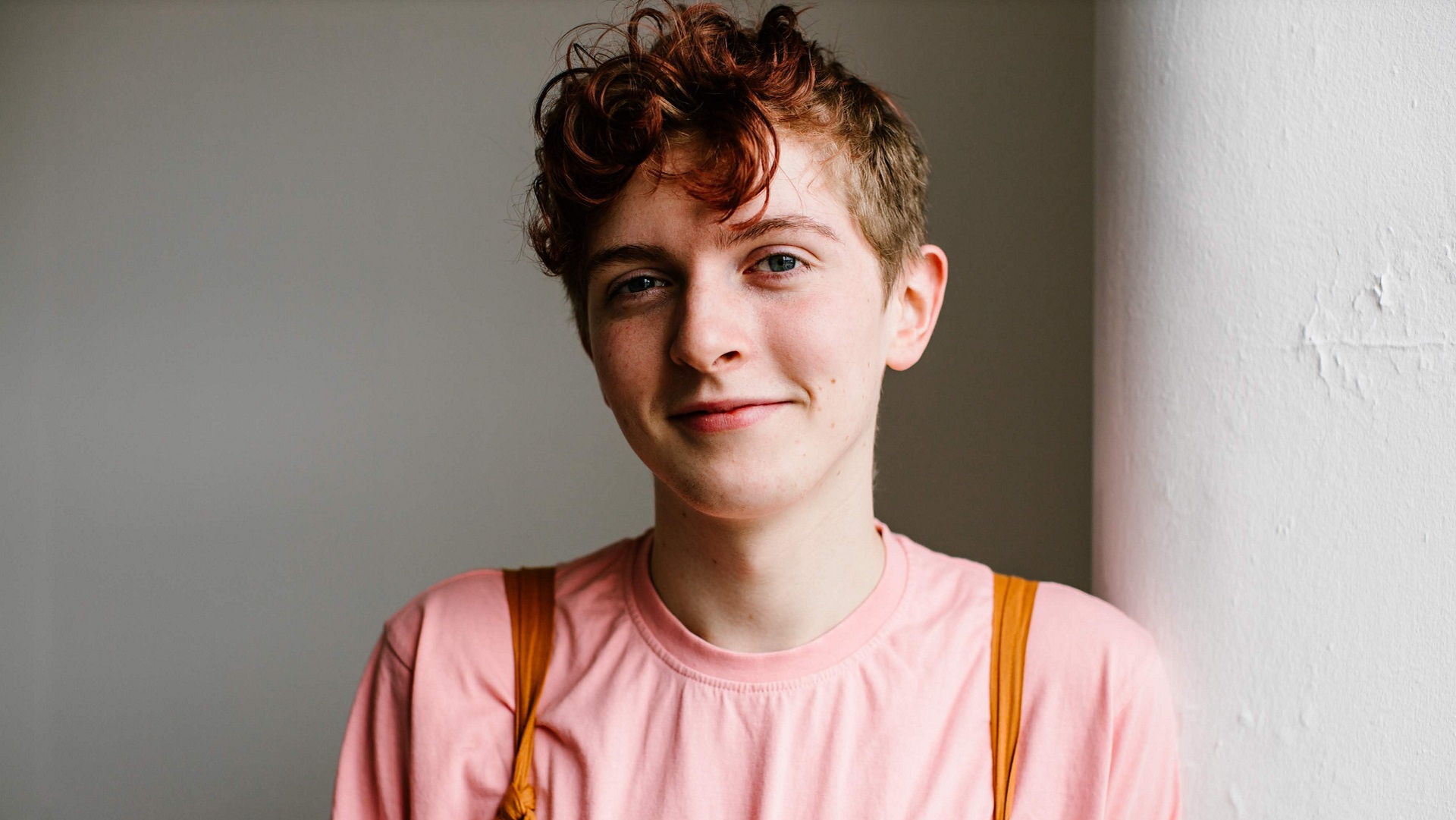
Trans activist Alexa Moore says the Transgender Day of Visibility is no help to a cause that needs to be a daily fight. Credit: Alexa Moore/Jess Lowe Photography

It’s coming to that time of the year again. The flowers are blooming, the birds are chirping, and trans people are Visible. I find myself asking – on a yearly basis – what is the point of Transgender Day Of Visibility (TDOV)? Why should I care? What is there to celebrate?

Trans people have been, shall we say, increasingly visible over the past five years. In 2016, when the UK Government launched their public consultation on the Gender Recognition Act, who could’ve predicted the reach it would have, how it would serve to galvanise so much anti-trans sentiment, and whip up such a ferocious culture war against trans communities and identities?

Well, frankly, trans people did. Trans communities know that visibility and representation in political discourse is a double edged sword – a sword which has been used against us time and time again.

Lockdowns have taken income away from hundreds of Big Issue sellers. Support The Big Issue and our vendors by signing up for a subscription. 

From beloved sitcoms such as Friends and It’s Always Sunny in Philadelphia, to ‘well-regarded’ actors including Eddie Redmayne and Jeffrey Tambor, everyone’s had their go at The Trans Issue. The reality is, even before this furore around Gender Recognition, trans people – and in particular, trans women – have been hyper-visible in our public discourse for decades. And no, it’s not necessarily a good thing.

Trans women have been the butt of cis people’s jokes for as long as I can remember. We have been consistently and persistently portrayed as predatory, dangerous, and hypersexual by nature. Perceived “masculine” features trans women may have – a deeper voice, Adam’s apple, broader shoulders – are highlighted and ridiculed when we appeared in pop culture. I grew up feeling significant self-hatred thanks to how Visible trans women were, and how normal it was to dehumanise and degrade us in the public discourse.
Advertising helps fund Big Issue’s mission to end poverty

So what’s changed? Young people growing up today aren’t necessarily seeing trans women being made fun of in the sitcoms we watch or the Netflix flicks we binge through. They are, however, seeing a toxic debate rage through the media, they’re hearing about it on the radio, they’re watching the scary Newsnight coverage of this awful influx of trans young people in our society. They are still seeing, hearing, being surrounded by trans people being degraded, dehumanised, viewed as less than. The nature of our visibility over the past 20 years has, materially, changed very little. We’re still trotted out as the boogeyman, the scary trans cabal, the danger to your wife and kids.

It’s not something that we can pay attention to once or twice a year, it’s a daily struggle, a daily fight, and it requires constant work

Visibility, as a concept, does us little good. What use is visibility when trans communities experience homelessness, poverty and isolation at disproportionate rates? What use is visibility when we can’t access transition-related-healthcare without waiting up to five years and confessing our life story to a cis psychiatrist? What use is visibility when it puts our young people in the firing line, being attacked across the front pages of major newspapers?

Trans Day of Visibility primarily functions to make cis people feel good about tuning in once a year. It’s not rooted in the needs or wants of the communities, nor is it enjoyable to engage with for many of us. It’s the one time a year when every organisation and their dog wants to run an event about The Transgender Issue, and pay us peanuts for it, without recognition that being trans and fighting against the oppression of your own communities is a full-time (very exhausting!) gig. It’s not something that we can pay attention to once or twice a year with TDOV and Transgender Day of Remembrance in November, it’s a daily struggle, a daily fight, and it requires constant work.

Continue reading for free

Registration is free and takes less than 30 seconds.

Our supporters make Big Issue’s work possible. Join us to see the impact we’re having together and discover more ways to help people facing poverty access income, opportunity and support.

So today, I think I’ll try being invisible for a change.

Alexa is a trans rights activist from Newry, Northern Ireland, and a director at TransgenderNI

Advertising helps fund Big Issue’s mission to end poverty

Do you know how Big Issue 'really' works?

Watch this simple explanation.

Recommended for you

View all
I was homeless as a child. I know what Andy Burnham needs to do to end rough sleeping for good
Danny Beales walks down a street in Ruislip Manor with a blue bridge in the background spelling the name of the area
Danny Beales

I was homeless as a child. I know what Andy Burnham needs to do to end rough sleeping for good

Why building homes around railway stations is ‘far from an assault on the countryside’
a train at a station in the UK
Russell Curtis

Why building homes around railway stations is ‘far from an assault on the countryside’

Ending rough sleeping is the goal, but taking bars off benches is a good start
This anti-homeless bench in Bournemouth will hopefully soon be a thing of the past
John Bird

Ending rough sleeping is the goal, but taking bars off benches is a good start

Not every pensioner lives in a mortgage-free home. Rising rents mean more are facing homelessness
Pensioner Rob can't retire because he's renting
Morgan Vine

Not every pensioner lives in a mortgage-free home. Rising rents mean more are facing homelessness