There are already rights issues with the carceral state, before it moves into the territory of pre-crime. Suddenly conviction by a jury of your peers would not be the only justification for removing basic liberties, but instead they could be stripped on the whims of a machine that brands you as a threat.
Even if such a system was accurate, punishing someone for what they might do is the antithesis of a democratic justice system. However, predictive policing models have shown themselves to be liable for catastrophic mistakes, riddled with racial bias. ‘Garbage in, garbage out’ is a worrying idea when AI makes minor predictions, when deciding who might be a killer the flaws are only magnified.
Any system would necessarily be based on existing government datasets, and would therefore reflect any biases contained within them. These datasets are not complete, begging the question – would the MoJ be happy to make predictions based on limited data, or would a system of total surveillance be required to make sure that the model was as accurate as possible.
Keep reading the journalism that powers our mission
Register free to continue and learn more about the stories, campaigns and the support we provide, helping people facing poverty across the UK.
Either option is fundamentally incompatible with human rights and would force the UK to choose between near-guaranteed miscarriages of justice or living in a total surveillance state.
At the moment, data law in the UK makes it difficult for any meaningful decision to be taken solely by a machine. A human in the loop is a requirement. Reforms are being pushed through by the government, with parts of the Data Use and Access Bill that will take the police off the leash when using AI to make decisions about people’s lives. Law enforcement will be given a carve out from the limited protections against automated decision making that will survive the bill, raising the terrifying spectre of a machine deciding whose doors police should knock on the next morning.
There is a world of difference between researching why people kill, and predicting who is going to kill.
Getting under the skin of what drives somebody to take a life – the socioeconomic factors, the failings in the justice system and the personal ‘reasons’, unjustified as they will be – could provide insights to inform the policymaking needed to shape society into a place where the risk of future killings drops dramatically.
On an individual level, human behaviour is far less predictable and there can only be danger when the state ventures into fortune telling.
Getting it wrong would destroy fragile trust in the justice system, and would either see the state at fault for not preventing deaths, or wrongfully depriving innocent people of their liberties – and there is no question that flawed predictive policing would get it wrong. Human behaviour is not deterministic, and flawless prediction of who will commit a crime is in the realm of sci-fi, not reality.
Minority Report remains a great film, but it was not a blueprint for policing. The MoJ must not reach for dystopian fiction as a handbook for the future.
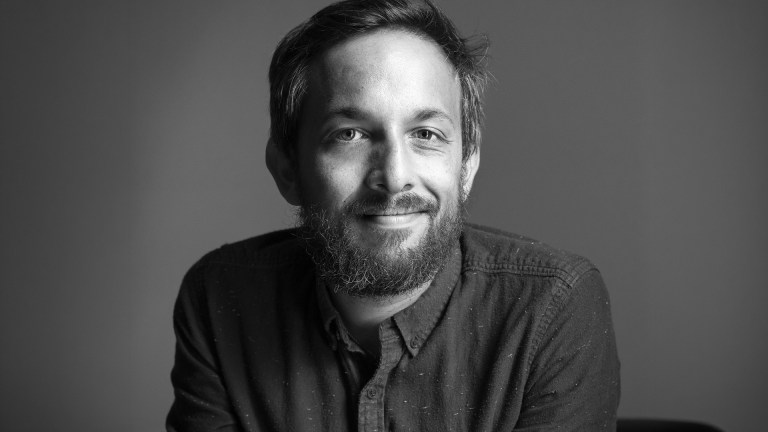
Jake Hurfurt is head of research and investigations at Big Brother Watch.
Do you have a story to tell or opinions to share about this? Get in touch and tell us more. Big Issue exists to give homeless and marginalised people the opportunity to earn an income. To support our work buy a copy of the magazine or get the app from the App Store or Google Play.