Today, in the age of Taylor Swift and the BTS Army, we understand how powerful fan communities can be. They drive entire industries, sway charts and streaming numbers, and even influence politics. When it came to fans from the past, however, I noticed a complete reversal.
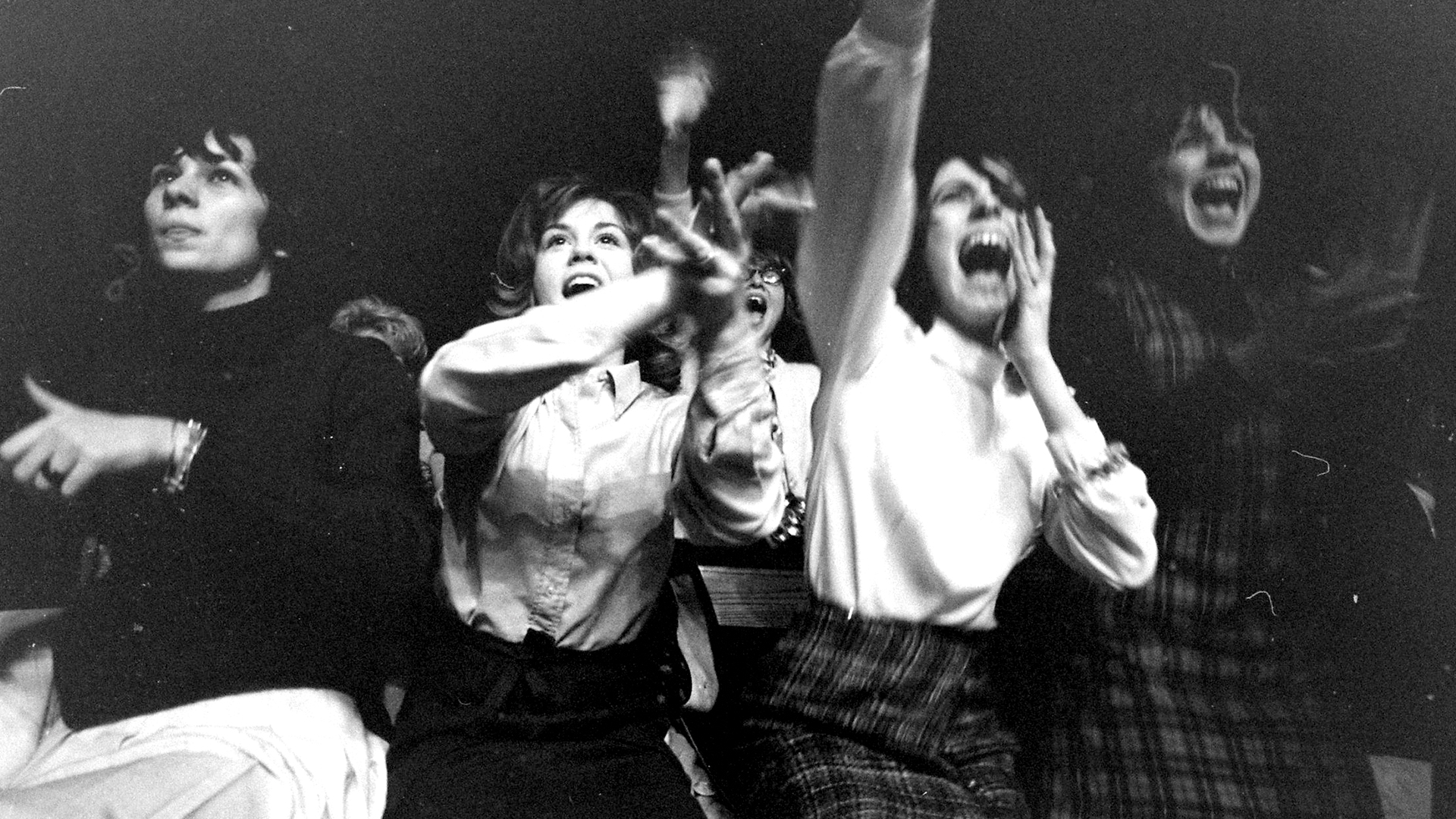
People – sometimes even contemporary fandom experts – seemed to fall back on the same tired old urban legends and cliches: the hysterical 19th century ladies stuffing rockstar pianist Franz Liszt’s cigar butts into their cleavages, the ‘sex-starved nymphettes’ throwing their knickers at Elvis, and how could we forget the ‘lakes of wee’ at early Beatles shows. Apparently, the sight of synchronised head-bobbing was so sexually arousing that thousands of girls simultaneously lost all bladder control.
Read more:
Keep reading the journalism that powers our mission
Register free to continue and learn more about the stories, campaigns and the support we provide, helping people facing poverty across the UK.
What would we learn if we gave those historical fangirls the same time, thought and respect as we do the modern ones? Looking back over the six most iconic moments in book, film and music history when fan ‘manias’ erupted most fervently around a single star or act, a much more interesting story began to emerge. Female audiences were, without a doubt, the single most important demographic in the birth and evolution of popular entertainment.
From the end of the 18th century, when rising literacy rates and cheaper printing techniques meant that, for the first time, books became accessible to ordinary readers all the way through to the birth of the stadium rock concert during the Beatlemania era, it was very often female enthusiasm that drove the success of new forms of popular entertainment, invented new movie and music genres, and ultimately decided who would become a star.
If tales of madness, hysteria and knicker-wetting abounded, it’s because this was about a lot more than entertainment. It was about power. And because pop culture history was – until very recently – nearly always written by men.
Fandom as we know it today was born in the late 19th century – the very moment when women were beginning to enjoy and experiment with greater freedoms outside the home. Count the moral panics that erupted around every new fad or star, and it’s clear that the female fan enthusiasm most often labelled ‘madness’ or ‘hysteria’ by male critics was – time and again – a flashpoint for much bigger anxieties about women’s increasing independence and growing social and economic power.
As the theatre and later movies and music gave everyday women respectable excuses to leave the house unchaperoned with their female friends, screaming at a pop concert or swooning over a matinee idol was genuinely revolutionary. These were rare moments when girls and women could come together in a crowd, claim public space, express desire and assert their hopes, dreams and identities in ways that would not have been socially acceptable anywhere else.
Not to mention the fact that whole industries were now reshaping themselves around female desire and spending power. Were they hysterical? Hell yes! And thank god for that. All that screaming and swooning was the sound of millions of women finding their voices. And once they found them, they never shut up again.
Swoon by Bea Martinez-Gatell is out now (Biteback, £22). You can buy it from the Big Issue shop on bookshop.org, which helps to support Big Issue and independent bookshops.
Do you have a story to tell or opinions to share about this? Get in touch and tell us more.