This dangerous policy shift derives from a right-wing assault on the proven and successful Housing First model, which provides subsidised housing and support services to help move homeless people – many of them living with mental illness and addiction disorders – from the streets into their own homes.
Read more:
The Housing First approach – which was pioneered in New York City, where I worked as a homeless advocate – has helped reduce street homelessness in many American cities. But Trump and his radical MAGA allies have spent years attacking Housing First programs and calling for a restrictive “treatment-first” model – even though experience and numerous research studies show that that flawed approach is far less effective than Housing First at reducing homelessness and ensuring housing stability.
Keep reading the journalism that powers our mission
Register free to continue and learn more about the stories, campaigns and the support we provide, helping people facing poverty across the UK.
Trump also wants to fortify efforts to criminalise homelessness. In a 2023 campaign video, carrying the flagrant title “Ending the Nightmare of the Homeless, Drug Addicted, and Dangerously Deranged,” Trump called for arresting all homeless people and removing them to “tent cities” outside of urban centres. Already this terrifying rhetoric is becoming a reality.
In Utah, Republican officials allied with Trump are building a detention complex on the outskirts of Salt Lake City where more than 1,000 homeless people will be interred. The National Law Center on Homelessness has compared the planned facility to the Japanese internment camps of World War II.
Perhaps most dangerous of all, Trump is intensifying longstanding Republican attempts to cut back on, or even eliminate, federal housing programs. Despite the worsening housing affordability crisis in the United States, federal housing programs are deeply underfunded and currently serve only one of every five eligible low-income households – one of the main reasons the US has a persistent homelessness crisis.
Nevertheless, the Trump administration has proposed drastic cutbacks to housing programmes, along with two-year time limits on housing assistance. Such policies will not only harm people who are currently homeless but will invariably uproot and displace countless low-income families. Indeed, policy experts who reviewed the administration’s plans estimate that some four million people could lose federal housing aid.
However, in New York City, where more than 100,000 people are homeless each night, there are signs of hope. The election of Zohran Mamdani, a democratic socialist who campaigned on the city’s affordability crisis, offers hope for a more progressive approach to the homelessness crisis. Already Mamdani has spoken of creating a “community safety” agency alongside the police department to assist homeless people instead of reflexively arresting them.
And he’s talked about the need to halt rent increases on nearly a million rent-regulated apartments in New York and invest in the creation of more affordable housing. But Mamdani will have to contend with federal funding cutbacks from the White House and Republican-controlled Congress, as well as Trump’s threats to abduct and deport much of the city’s immigrant population, thousands of whom are homeless.
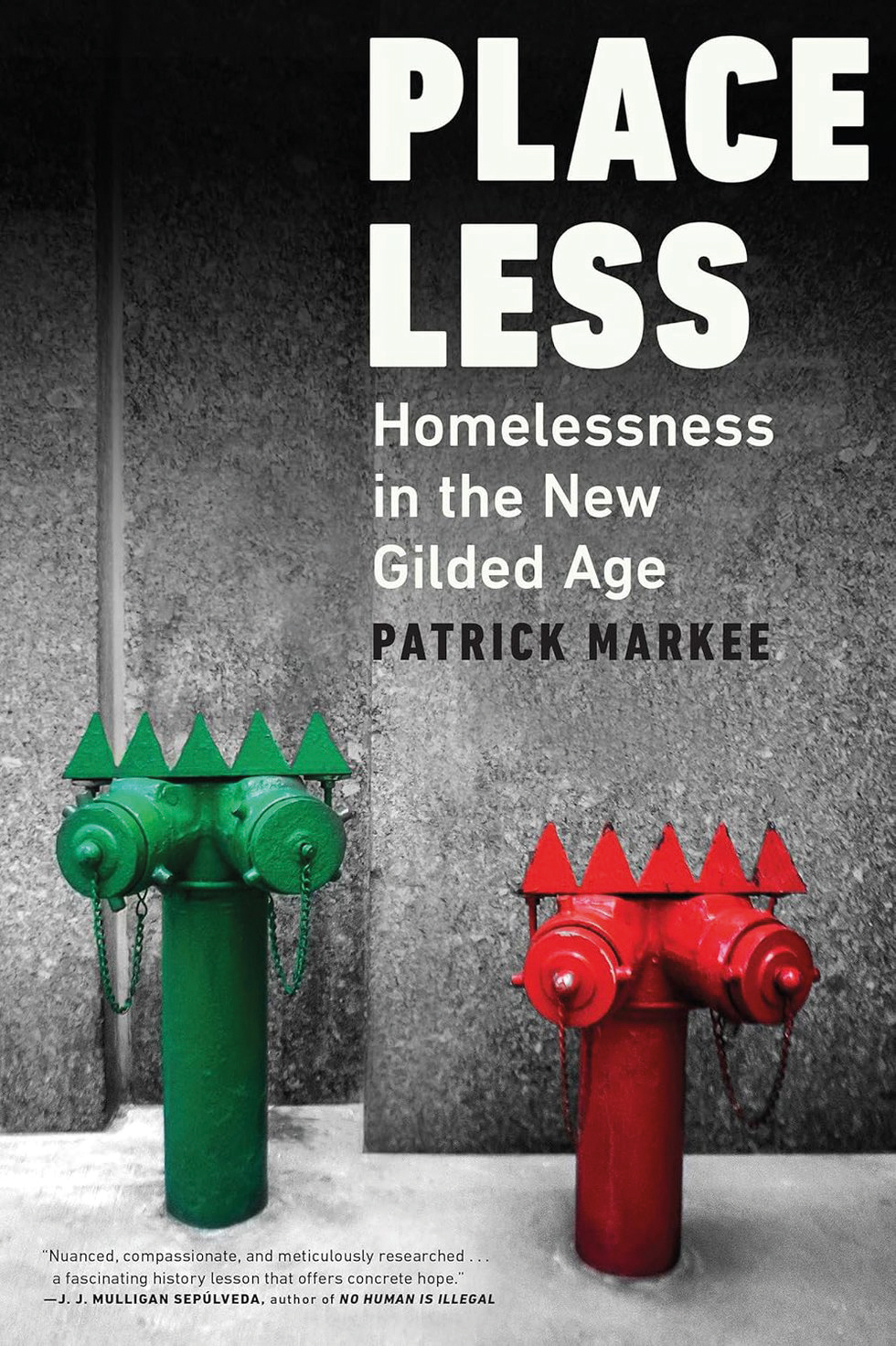
Entering the second quarter of the 21st century, the outlook is bleak but we need build on the growing movement to stand up to the Trump and MAGA assault on homeless Americans. As I write in my book Placeless: Homelessness in the New Gilded Age, the modern homelessness crisis is now more than four decades old, but we know how to solve the problem.
To do this, activists, advocates, and homeless and low-income people in the United States will have to organise and struggle more forcefully than ever to build a genuine movement to end mass homelessness.
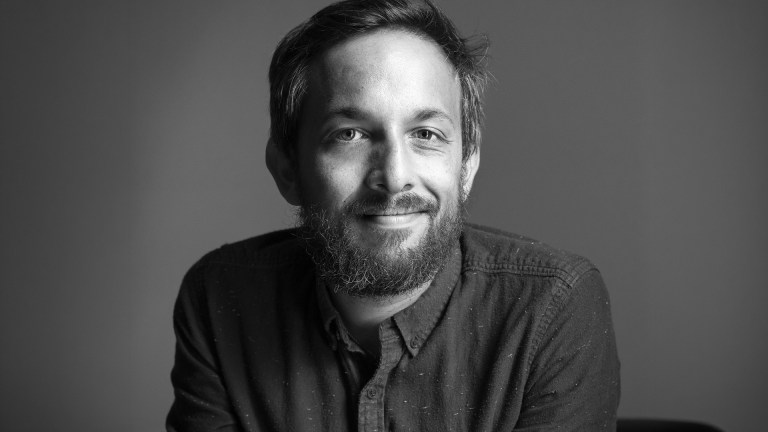
Patrick Markee is an author and former deputy executive director for advocacy at Coalition for the Homeless in New York City
Placeless: Homelessness in the New Gilded Age by Patrick Markee is out now (Melville House, £27.99).
You can buy it from the Big Issue shop on bookshop.org, which helps to support Big Issue and independent bookshops.
Do you have a story to tell or opinions to share about this? Get in touch and tell us more.
Change a vendor’s life this winter.
Buy from your local Big Issue vendor every week – and always take the magazine. It’s how vendors earn with dignity and how we fund our work to end poverty.
You can also support online with a vendor support kit or a magazine subscription. Thank you for standing with Big Issue vendors.