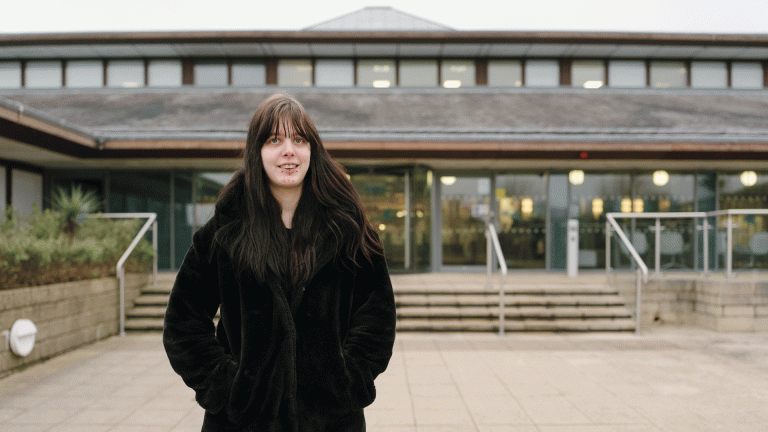
On the morning of Eid, on 13 May 2021, Tabassum Niamat was waiting at home for her family to visit. All her cooking for the big celebration was out of the way. And then the text messages started coming through: an immigration van was on Kenmure Street.
“I didn’t have any inkling how long this was going to take, all I knew is I want to be there,” she says. So Niamat went down to where neighbours on her street in Glasgow had begun to gather around the van, which had come at 9am to detain two men.
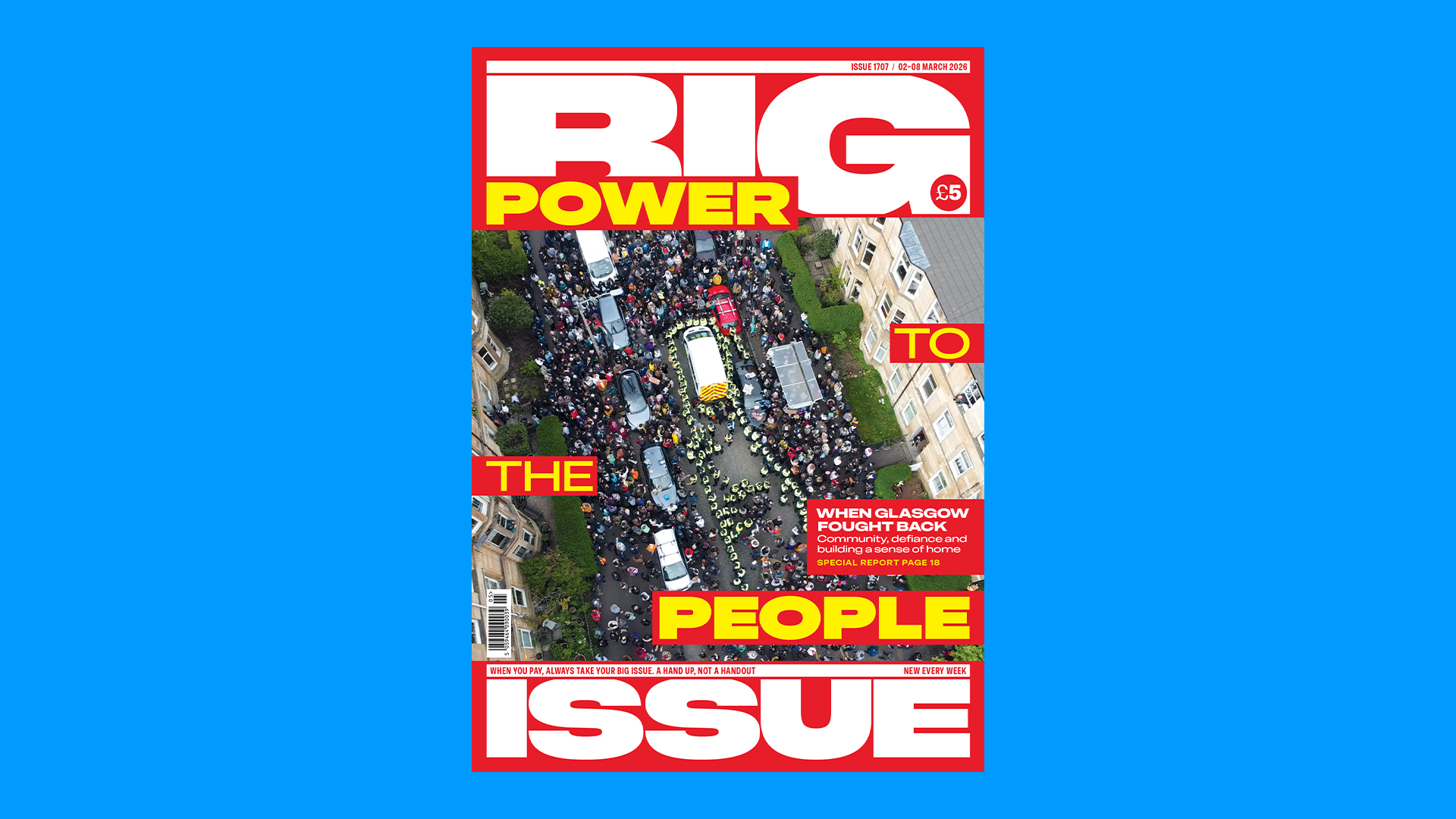
The details weren’t really known, and the protest had no real leaders, but over the course of the day the crowd grew from a smattering of people to hundreds, coming from all over the city. It was simple: the Home Office couldn’t take the men, Indian Sikhs, away with all the people filling the road. This act of resistance snowballed into a national story, news crews descending and police resources flooding to the area as the standoff continued. By 5pm, there was a decision: police released the men.
“For those eight hours I saw the best in humanity. I saw exactly what is possible when we can put our differences to one side,” says Niamat. The events of that day have now been made into a film, Everybody to Kenmure Street.
Five years on from the protest the award-winning documentary has lessons for the precarious present.
What else is in this week’s Big Issue?
SEND help
Every child should have the right to education. But children with special educational needs are going months – sometimes years – without education because there is not enough provision to support them in schools.