Advertising helps fund Big Issue’s mission to end poverty
Opinion

People are struggling to afford bills more than ever – and the cost of living is only getting worse

Emily Whitford, of StepChange Debt Charity, writes about the burden of unaffordable bills – and what the government can do about it

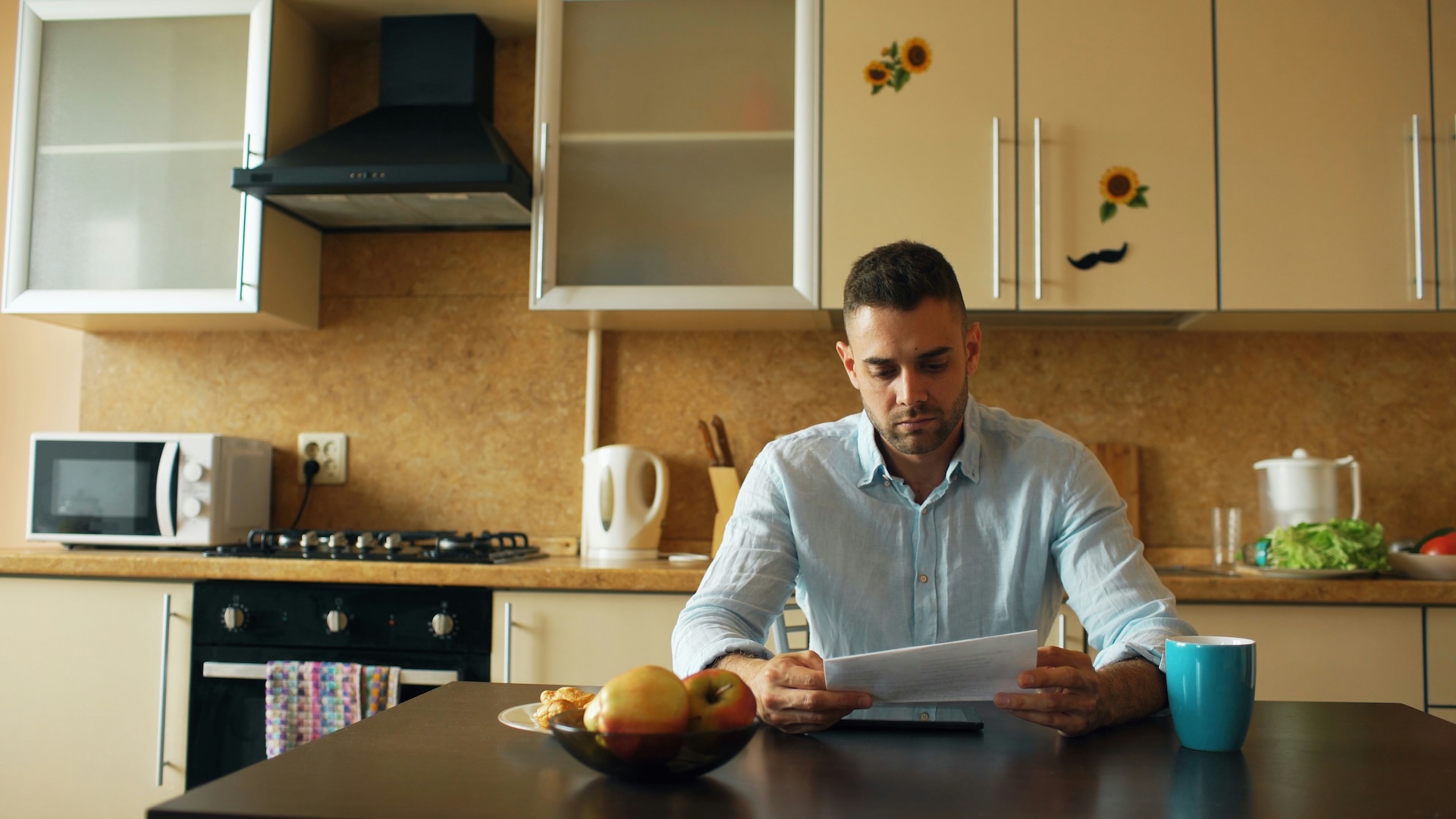
A man looking at bills

Millions of people are struggling to afford their bills. Image: Unsplash

If you were to ask us what drove the average person to StepChange a decade ago, we would probably tell you it was consumer credit borrowing, such as unmanageable credit card or personal loan debt – perhaps taken on following a life shock or a significant change of circumstances. 

Yet if you were to ask us the same question today – while difficulty with consumer credit debt still plays a big part in many of our clients’ problems – arrears on essential bills like energy and water, driven by struggles to afford the basics, have become increasingly commonplace.   

That’s why we focused our latest research, Plugging the Gap, on our clients’ experience of managing utility payments. It marks the first in a wider piece of work around supporting people to afford the cost of essentials, which have spiralled since the pandemic. Costs that clients like Alistair are struggling to meet month in, month out, in a way that we haven’t seen before.

Read more:

He told us that he reached crisis point when he got to retirement and found himself constantly struggling to pay bills, at a time when in many cases people hope to have financial security, if not freedom. In some instances, he even turned to credit to pay his energy bills – one of our core indicators of a person being in problem debt – showing the depth of the affordability challenges facing many.

Or take Leah, a disabled client whose name has been changed, who told us how difficulty affording her utility bills meant that she was afraid to put the heating on and limited washing and drying. She went on to say that she couldn’t afford food, and ultimately, had to rehome her much-loved pet.


Advertising helps fund Big Issue’s mission to end poverty

Our data also tells of the harsh reality for those struggling with utility bills. Energy arrears are now the most common type of arrears we see amongst our clients, and the average level of debt per client in Britain has risen by over £1,000 in the last five years alone, now standing at almost £2,500. 

What’s more, national polling conducted in April found that almost half of adults in Great Britain, roughly 24 million people, are worried about their ability to pay their energy bills over the next six months  – a proportion notably higher than the three in ten who were worried in January, as the domestic implications of conflict in the Middle East sink in for consumers in Britain.


It’s not just our data that shows a troubling story. Energy regulator Ofgem’s latest estimate for total debt shows an increase by 18% year on year to the last quarter of 2025, now sitting at a total of £4.55 billion. Meanwhile, the latest available data from the water regulator Ofwat shows that total debt for households in arrears amounted to over £2bn.

The reality is the situation is only going to get worse without action from the government. The existing warm home discount scheme is not fit for purpose in today’s energy market – having risen just £30 in over a decade to £150, far less than the increase in typical energy bills – while low awareness and a postcode lottery in individual providers’ water social tariffs stops too many eligible households accessing effective financial assistance with water bills. 

That’s why StepChange – as a free debt advice charity on the frontline of supporting households in financial difficulty – is launching a campaign to Plug the Gap in affordability support, through the introduction of national social tariffs for energy and water.

Emily Whitford is senior public policy advocate at StepChange and author of Plugging the Gap.

Do you have a story to tell or opinions to share about this? Get in touch and tell us more

Change a vendor’s life.

Buy from your local Big Issue vendor every week – and always take the magazine. It’s how vendors earn with dignity and move forward.

You can also support online:
Subscribe to the magazine or support our work with a monthly gift. Your support helps vendors earn, learn and thrive while strengthening our frontline services.

Thank you for standing with Big Issue vendors.

Advertising helps fund Big Issue’s mission to end poverty

Do you know how Big Issue 'really' works?

Watch this simple explanation.

Recommended for you

View all
How a local duck pond could help you make sense of your inner world
Steven MacKenzie

How a local duck pond could help you make sense of your inner world

A crumpled carrier bag of old postcards has rewritten my past
Sam Delaney

A crumpled carrier bag of old postcards has rewritten my past

Trump is learning what happens when you're slapdash in politics
John Bird

Trump is learning what happens when you're slapdash in politics

People are still getting threatened with prison for council tax debt. This has got to change
prison wall
Vikki Brownridge

People are still getting threatened with prison for council tax debt. This has got to change