Advertising helps fund Big Issue’s mission to end poverty
Art

‘The people made me a star’: On her 100th birthday, why Marilyn Monroe still matters

Marilyn Monroe remains compelling even 100 years after her birth. New National Portrait Gallery exhibition Marilyn Monroe: A Portrait aims to explore why

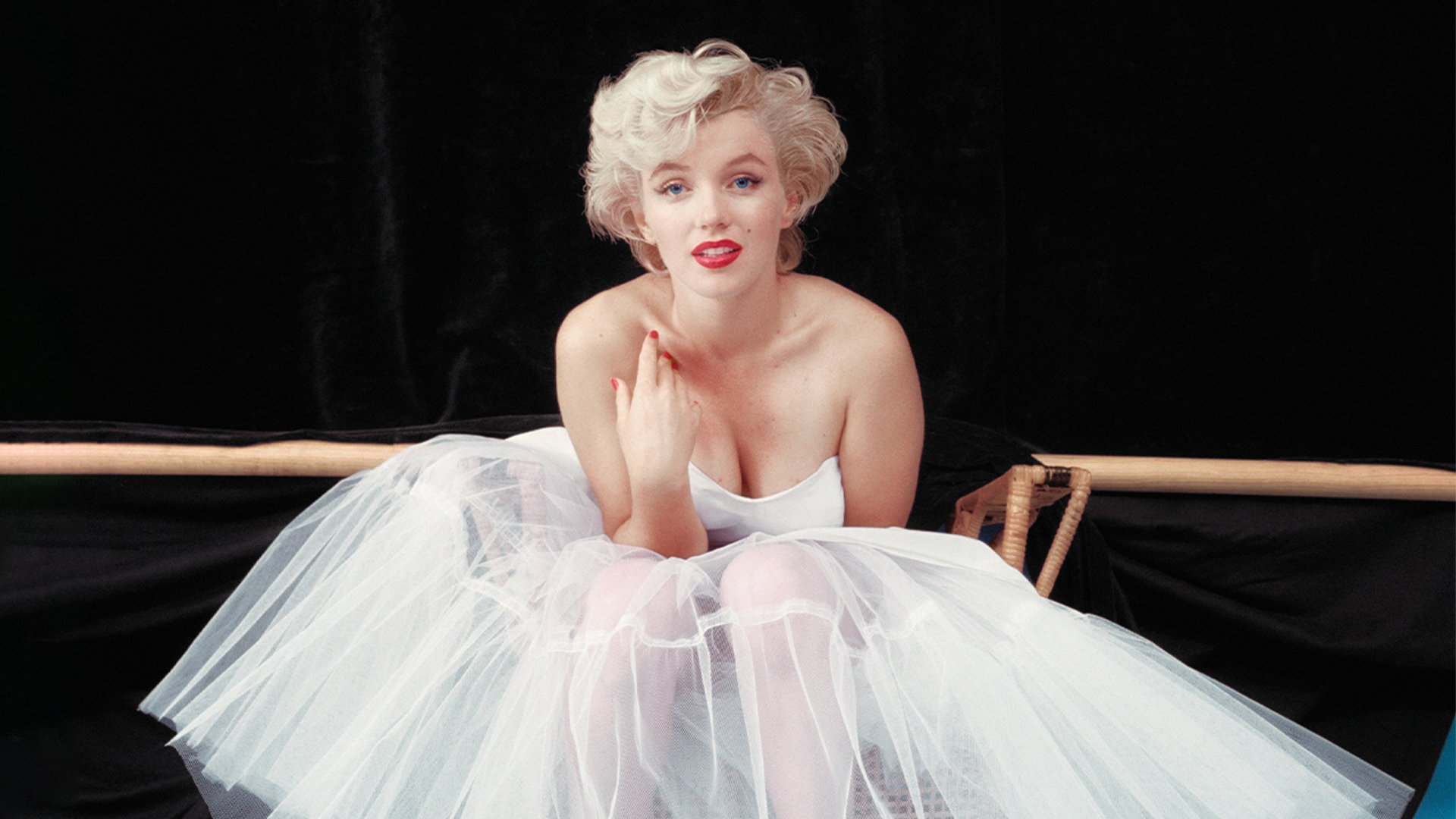
Image: Milton H. Greene

Marilyn Monroe was born on 1 June 1926. One hundred years later, her face is everywhere: on posters, fashion campaigns, merchandise and in the work of artists who have never stopped returning to her image. As photographer Bert Stern observed soon after her death: “She is gone but she is everywhere.”

The question of why she remains so compelling is one I have spent years thinking about, and one that our exhibition at the National Portrait Gallery, Marilyn Monroe: A Portrait, seeks to explore with fresh eyes.  
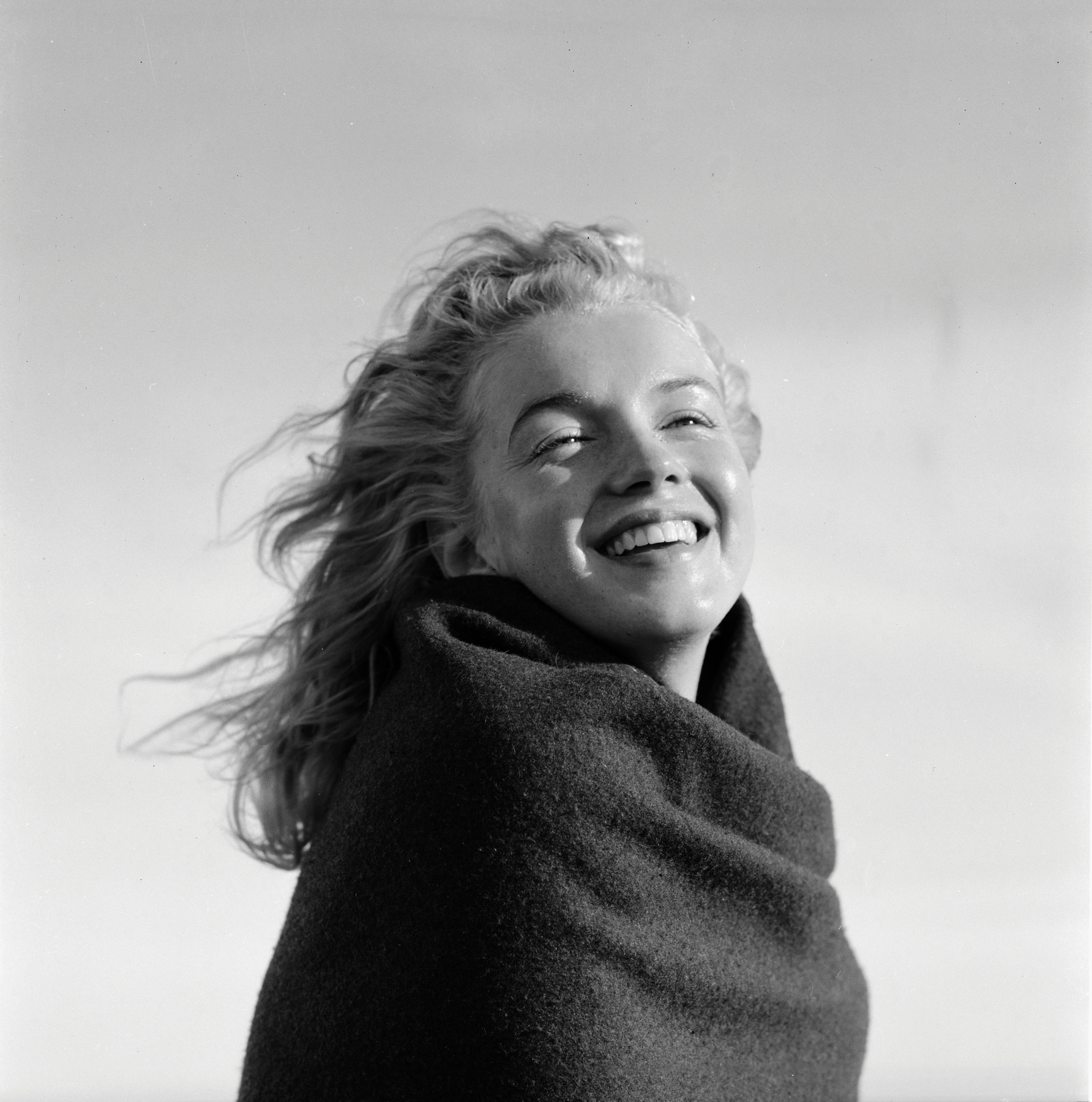
A rising star in 1946. Image: AndrÈ de Dienes / MUUS Collection

Monroe created and honed her own public image and welcomed the creativity of her collaborators, while privately devoting herself to self-improvement. Her friend, the singer Ella Fitzgerald, noted that Monroe was “ahead of her time”.

She read widely, studied her craft, engaged with political issues and challenged the systems of 1950s Hollywood and society. She acknowledged the importance of her loyal fans above all else. “If I am a star,” Monroe observed at the end of her life, “the people made me a star. No studio, no person, but the people did.”  

What I most want visitors to understand is the extent to which Monroe was an active participant in making her own image. Eve Arnold, who photographed her on numerous occasions, described her as unrivalled as a photographic subject. She said: “I never knew anyone who came even close to Marilyn in natural ability to use both photographer and still camera.”

Richard Avedon recalled that Monroe would pore over contact sheets for hours, always looking for what she called an “honest” picture. She not only performed but directed sessions and claimed the right to veto images she did not like. This creative control stood in stark contrast to her experience on film sets, where she often felt powerless, despite generating vast profits for her studio.  
Advertising helps fund Big Issue’s mission to end poverty

Read more:

The vitality Monroe conveyed in photographs was frequently at odds with her personal situation. Her sex appeal was both her superpower and her burden. She observed: “Men do not see me, they lay their eyes on me,” understanding acutely the  ‘male gaze ‘ (though that concept would not be articulated until more than a decade later by theorist and film-maker Laura Mulvey).

Although Monroe missed the emergence of second-wave feminism, she had already begun fighting many of its battles, demanding fair treatment in the workplace and calling out abuse.  

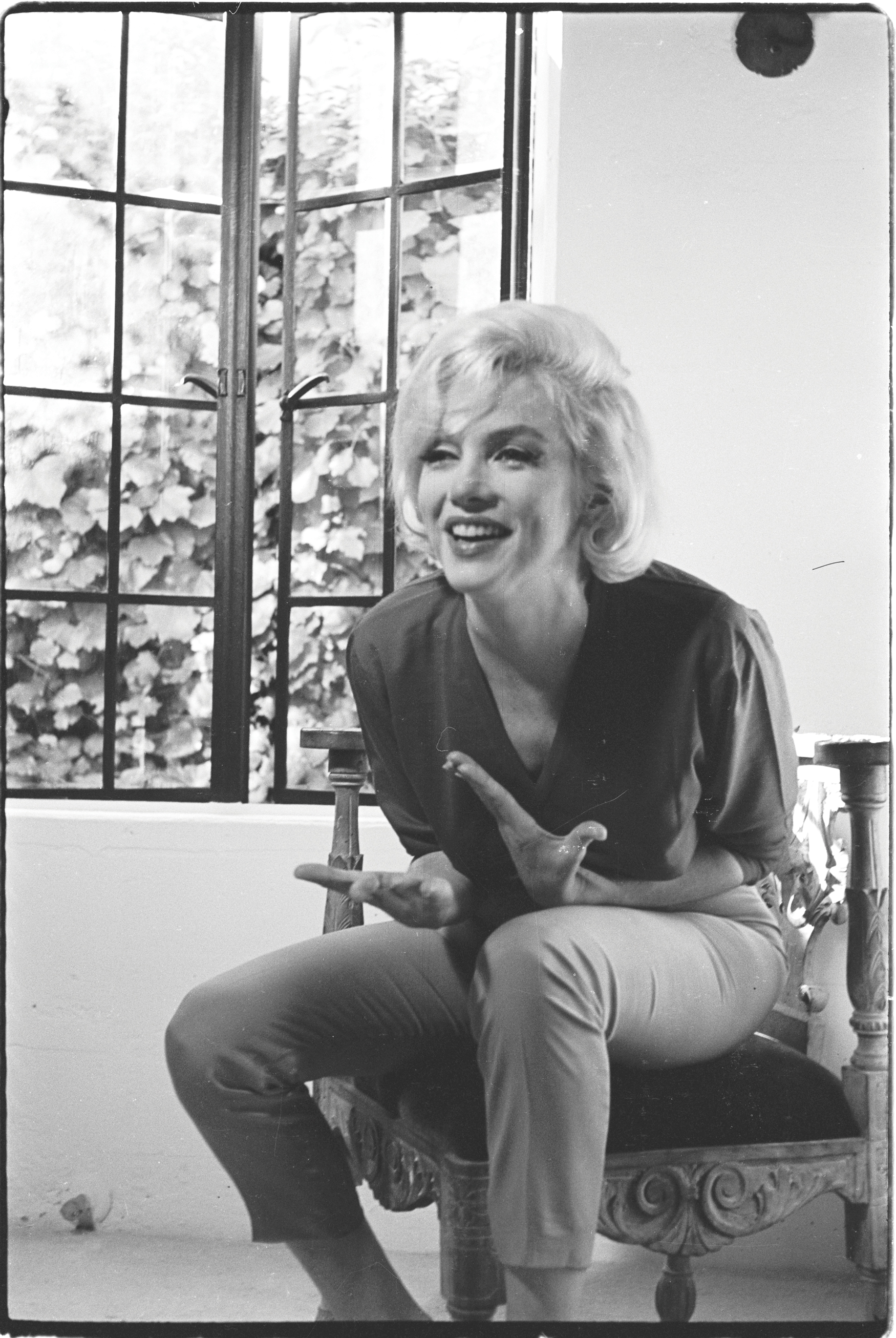
Monroe in 1962. Image: Allan Grant

The shock of her death in 1962, aged just 36, compelled artists on both sides of the Atlantic to respond. Andy Warhol made his first portrait of her that year. In London, Pauline Boty worked through her grief in paintings including Colour Her Gone (1962) and The Only Blonde in the World (1963).

The artistic conversation has never stopped, with Monroe’s image continuing to offer new possibilities as an emblem of celebrity, consumerism, sex and gender politics.  

It has been a privilege to curate this exhibition. As the painter Audrey Flack identified, Monroe “exposed a humanness with which we all identified”. A century on, that endures. I hope visitors leave feeling, as I do, that they have encountered not an icon, but a person.   

Marilyn Monroe: A Portrait, curated by Rosie Broadley, runs at the National Portrait Gallery from 4 June to 6 September 2026

Do you have a story to tell or opinions to share about this? Get in touch and tell us more

Change a vendor’s life.

Buy from your local Big Issue vendor every week – and always take the magazine. It’s how vendors earn with dignity and move forward.

You can also support online:
Subscribe to the magazine or support our work with a monthly gift. Your support helps vendors earn, learn and thrive while strengthening our frontline services.

Thank you for standing with Big Issue vendors.

Advertising helps fund Big Issue’s mission to end poverty

Do you know how Big Issue 'really' works?

Watch this simple explanation.

Recommended for you

View all
Artist David Shrigley: 'If Nigel Farage had become a sand sculptor we would all have been better off'
Q&A

Artist David Shrigley: 'If Nigel Farage had become a sand sculptor we would all have been better off'

I'm an artist who used to be homeless. Here are five things I wish I'd known before I started
Advice

I'm an artist who used to be homeless. Here are five things I wish I'd known before I started

Meet Rene Robbins, the 100-year-old artist who survived homelessness: ‘I'd cry myself to sleep'
1oo year old artist Rene Robbins
Art

Meet Rene Robbins, the 100-year-old artist who survived homelessness: ‘I'd cry myself to sleep'

Gilbert & George: 'Homeless people tend not to end up in a picture'
Gilbert & George's artwork - Number Twelve, featuring their friend George Crompton
Art

Gilbert & George: 'Homeless people tend not to end up in a picture'