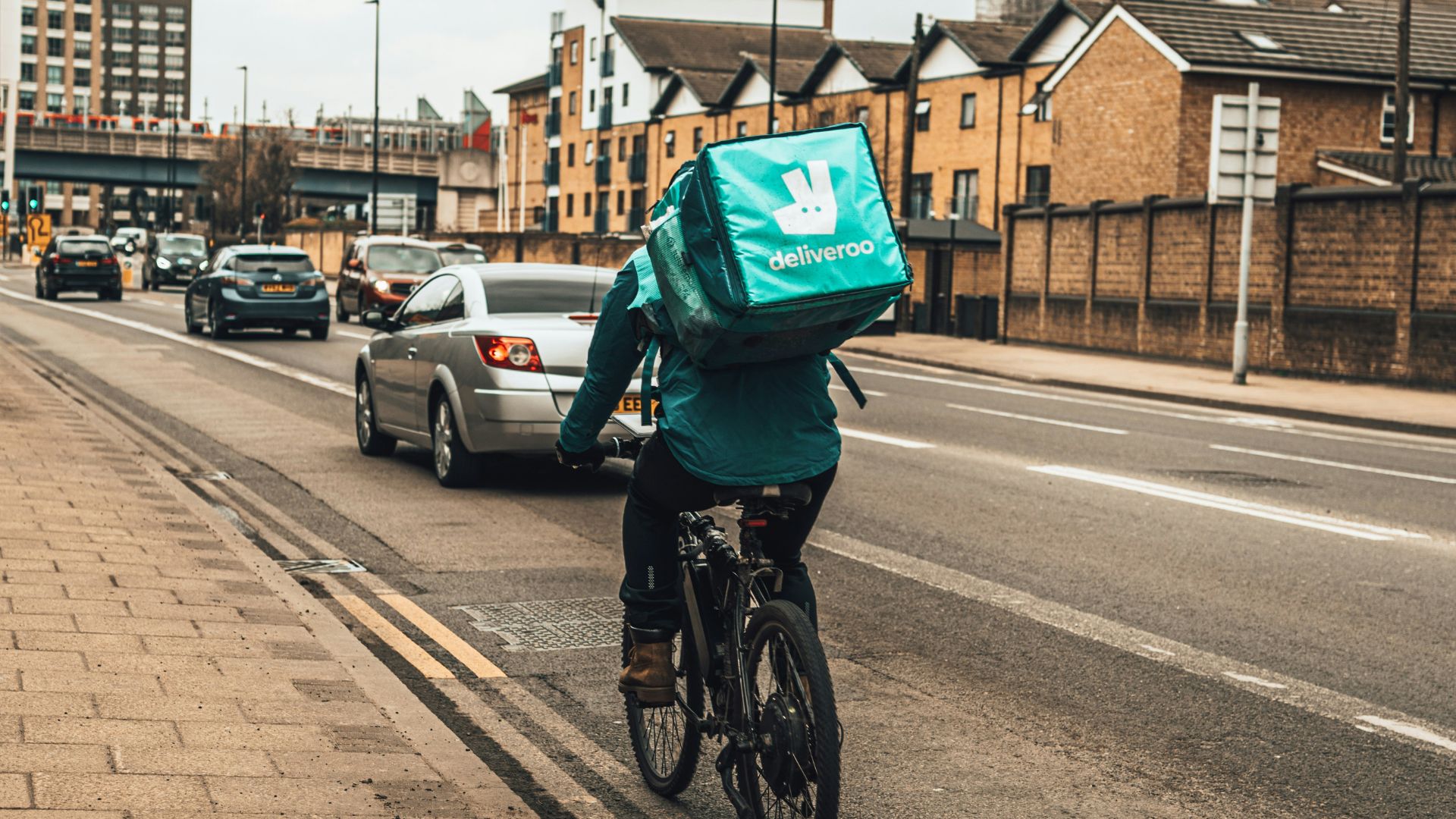
In 2023, the CIPD found almost half a million people (463,583) work in the gig economy in the UK, making up 1.4% of total employment. Its report found black and minority ethnic (BME) people and disabled people were the most reliant on gig work, with 24% of BME gig workers claiming it was their main source of income. Among disabled people, 29% of gig workers said it was their main source of income.
The CIPD also explained that a common perception is that gig workers mostly work as food delivery drivers or as drivers for companies like Uber, however its research found that food delivery drivers account for only a fifth of gig economy workers (80,000 people).
“By contrast, a quarter of a million people undertake desk-based services such as web development or translation and legal services, through apps and websites,” it said. “These people make up over half of the UK gig economy. Nearly 100,000 people undertake cleaning, decorating, plumbing, electrical work, dog walking or other manual tasks in the gig economy.”
Keep reading the journalism that powers our mission
Register free to continue and learn more about the stories, campaigns and the support we provide, helping people facing poverty across the UK.
How to budget on an irregular income
Managing the irregular income that can come from gig work and freelance jobs can be challenging, but experts say budgeting is a good way to make sure you have enough funds to cover months when work is a little slower.
“It can be tricky to manage your money each month when you’re unsure how much you’ll have coming in, especially if you’re paid on a daily or weekly basis,” Jon Styles, employment lead at the Money and Pensions Service told the Big Issue.
“Some months you might take home more and not be sure how best to utilise excess spend, and some months you might not take home enough to cover your essentials.”
Advertising helps fund Big Issue’s mission to end poverty
Styles explained that MoneyHelper’s free guidance for budgeting on an irregular income contains helpful suggestions, including how to budget for your lowest income, and creating an emergency fund.
“Start by understanding what your regular outgoings are, e.g. your rent or mortgage, bills, rough spend on food, and any other commitments such as debt repayments,” said Styles. “Make a list and from there you should roughly know what you have leftover to save or spend. It’s also helpful to make a note of when in the month your bills are due, so you can plan your spending accordingly.”
He added: “If your income is changeable, it is always best to plan your budget, including your essential costs, on your lowest monthly income so you are never short. When you have a month with higher income, put more money aside for savings or spending, or to cover times of sickness or reduced hours.”
The Money Charity also shared its list of top tips for budgeting with an irregular income, including to think about your money in annual terms rather than monthly to help account for higher-earning and lower-earning months.
Other top tips included:
- Use a budget planner or tool that works for you so you can make budgeting a habit
- Work out what are your needs – essential expenses – and what are your wants – non-essential expenses – that way you can treat yourself when you have the cash, but with the piece of mind you’ve got the essentials covered
- Try and start each month with money to pay your essentials that month in your bank account, to avoid a race against time to earn what you need
- For bills and expenses, pick a pattern or payment schedule that fits best with how you expect your income to fall
- Use pots, spaces or goals on your banking app to build up pots for bigger, less frequent bills, or treats
- Think back on the year just gone – where have the easier and harder weeks or months fallen, can you do something differently this time around?
Rhiannon Byers, director of adult financial wellbeing programmes at The Money Charity, told the Big Issue: “Budgeting is not everyone’s favourite exercise because of the connotations it can sometimes have of being cutting back or having tight purse strings, but with the right tools and approach it can help people feel more confident, in control, and in a better position to achieve their money and broader life goals.
Advertising helps fund Big Issue’s mission to end poverty
“If your income is variable and not guaranteed, it can be even harder to keep track as you might not know what the next week or month brings – but there are some things you can do to get ahead.”
Websites including StepChange and Turn2us have benefits calculators on their websites so you can see if you’re eligible for any extra funds. Meanwhile, Big Issue has collated budgeting resources and tools, while charities like MoneyHelper, Turn2Us and StepChange can also help you to search for available grants to help make ends meet.
Do I get sick leave or holidays?
As gig workers and freelancers may not be classed as employees, they are not automatically entitled to paid sick leave or annual leave for holidays in the same way that employees are. This means budgeting for time off work is even more important.
Styles said: “Gig workers and those who are self-employed are not automatically entitled to paid sick leave.
“If you are one of these workers and illness is preventing you from working, you should check what benefits you can claim. For example, you might be entitled to employment and support allowance or universal credit.”
He added that gig workers could consider insurance to protect themselves if they are unable to work.
Advertising helps fund Big Issue’s mission to end poverty
“Income protection can provide regular payments to replace part of your income if you are unable to work while self-employed, but with all insurance, how the policy works will depend on your individual needs and circumstances,” he explained.
Byers added: “In our workshops, we always talk about the importance of having an emergency or rainy day fund, even if it’s not much, as it can act as a buffer if and when the unexpected happens. If this feels a bit daunting, focus on putting aside a small amount, say £5 or £10 a month, to get started.
“Ideally it’s best to have three to six months worth of your essential outgoings put aside, but it might feel more manageable to aim to build up something like £1,000. The security and peace of mind this brings can be vital in a crisis – at which point, use it, that’s what it’s there for!”
Do I have to pay taxes as a gig worker?
If you’re freelance or own a small business and you earn more than £1,000 from it, you will need to register as self-employed. Some gig economy workers, like Deliveroo riders, qualify as self-employed, so if you’re earning money through gig work or side hustles, you’ll need to check if you should submit self-assessment tax returns.
You should register with HMRC as soon as you start your business, gig work, or side hustle. From there, if you earn up to £12,570 – including earnings from any other work – you will not need to pay tax, but you will still have to complete a self-assessment tax return. This is called your personal allowance. If you earn between £12,571 and £50,270, then your tax bill will be charged at 20%.
As a rule of thumb, you should save one fifth of all your earnings to pay in tax if you’re within this 20% band – putting some money aside regularly will help ensure you have enough money to pay your tax.
Advertising helps fund Big Issue’s mission to end poverty
If you are struggling to meet your tax bill, you can spread payments, provided you owe HMRC less than £30,000. You can go to the government’s website for more information.
What about a pension?
Gig economy workers typically do not participate in employer pension schemes, as they are not classed as employees.
It’s worth checking if you are entitled to any pension benefits based on the platform you work on – Uber drivers are eligible for a pension plan for example – but generally speaking, freelancers and gig workers may have to set up a personal pension to save for retirement, and experts recommend that you do set money aside for a pension.
Styles said: “Just because you don’t have a work pension, doesn’t mean you can’t save for your future. A personal pension (also known as a private pension) allows you to choose where you want your money invested from a range of options.
“It’s always useful to pay into a pension if you can, as this will provide income for retirement. It also offers tax advantages, as you’ll get tax relief on money you pay in. A basic-rate taxpayer will gain an extra £25 from the government from paying £100 in.
“Most people contribute to their pension monthly but if your income varies, you can contribute more in higher-income months. The amount you get back in retirement is dependent on how much you pay into your pension, how well the invested money performs, and any additional charges.”
Advertising helps fund Big Issue’s mission to end poverty
Byers added: “The earlier you set something up, the better, as then your savings pot has the most opportunity to grow. The government’s MoneyHelper website explains where to get started.”
Do you have a story to tell or opinions to share about this? Get in touch and tell us more.
Change a vendor’s life.
Buy from your local Big Issue vendor every week – and always take the magazine. It’s how vendors earn with dignity and move forward.
You can also support online: Subscribe to the magazine or support our work with a monthly gift. Your support helps vendors earn, learn and thrive while strengthening our frontline services.
Thank you for standing with Big Issue vendors.
Advertising helps fund Big Issue’s mission to end poverty