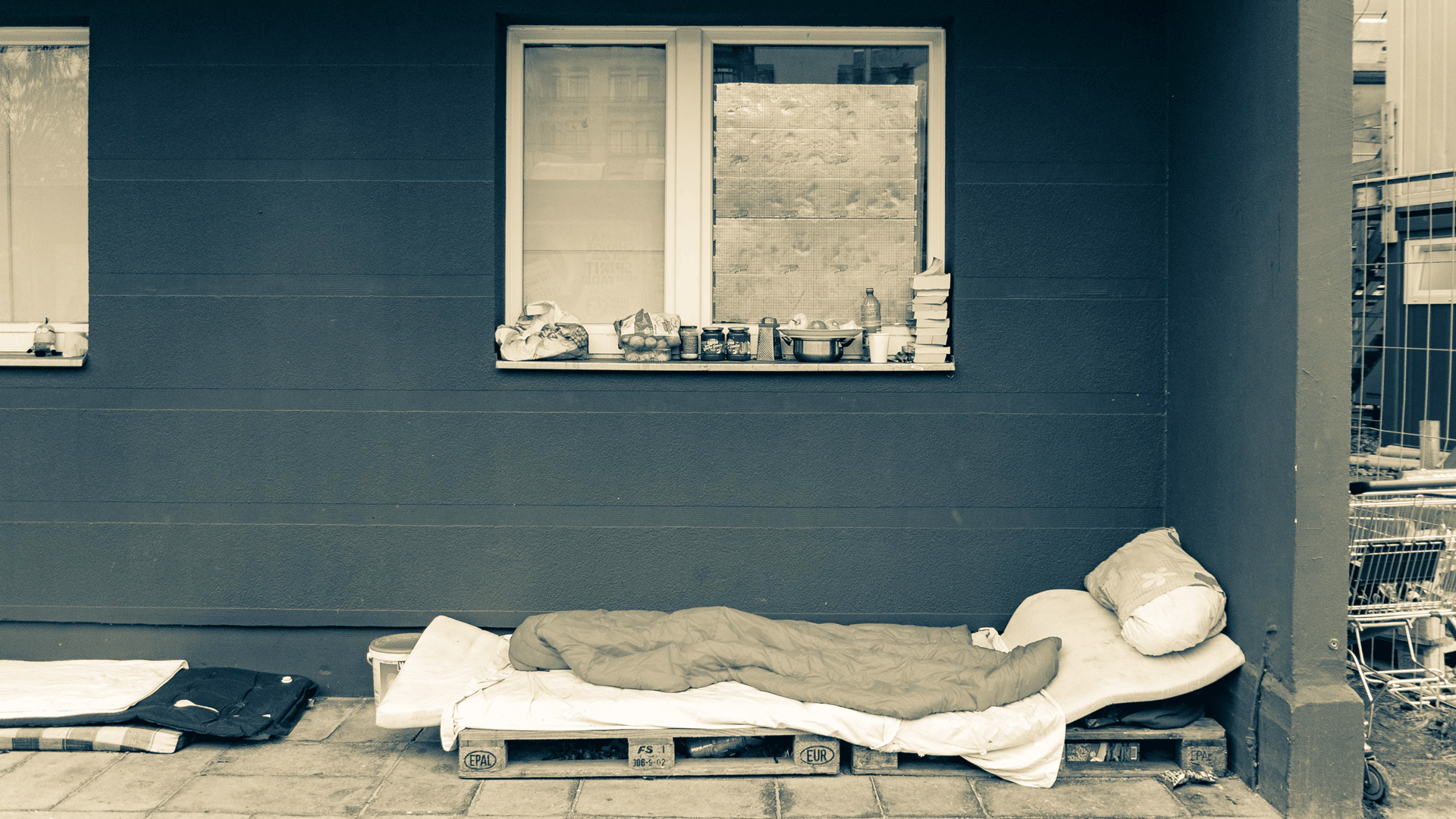
The Scottish version of the Vagrancy Act was repealed in 1982. Going by my walk into town this morning, it hasn’t solved rough sleeping, but at least conversations begin with a more compassionate context.
There remains so much misunderstanding and misinformation about homelessness. It’s complicated. Research from Shelter shows that 45% of private renters are one pay cheque away from losing their home. But the reality for millions is that they wouldn’t end up with nowhere to go, they’d be caught by a social safety network – friends or family that would take them in or offer a bit of financial security.
Many of us take that for granted. It’s more convenient not to consider what life is like when you are left to deal with problems alone. And easier still to assign blame to those who find themselves in that situation.
Keep reading the journalism that powers our mission
Register free to continue and learn more about the stories, campaigns and the support we provide, helping people facing poverty across the UK.
The latest edition of the magazine focuses on the exhibition Criminal, at the Museum of Homelessness. As 10Foot’s cover illustrates, homelessness is bound up with survival and resistance. He’s invited collaborators including Jake Hanrahan, Gemma Lees, Matt Bonner, Max Lennard, Dorothy Spencer, Dani C and Surfing Sofas to contribute to this special issue and rallying cry.
Read more:
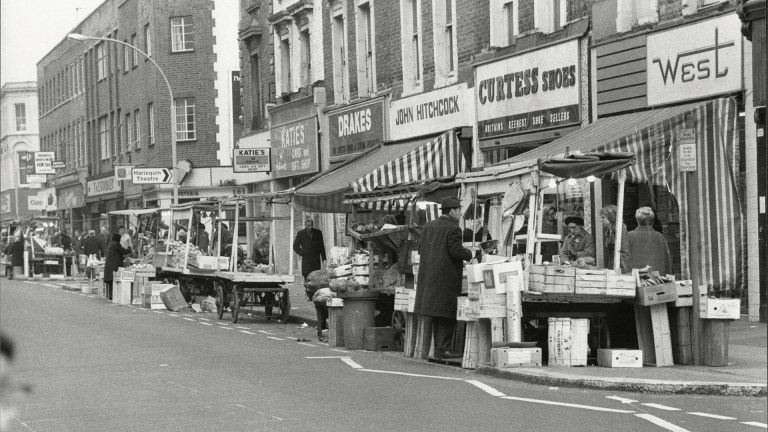
And if you think the Vagrancy Act doesn’t really impact you, its roots run deep, with massive contemporary consequences. Long before 1824, common land was being enclosed and transferred into private ownership. The process accelerated through Enclosures Acts between 1750-1860, allowing landlords to landgrab. A space to live became an asset rather than a home. Hello, housing crisis.
The Vagrancy Act will soon be replaced (we are told). Whatever comes next has to serve the interests of common people, based on compassion, so people can rebuild their lives rather than being criminalised for needing help.
And once we’ve solved homelessness, we can then turn our attention to the real scoundrels: rug shakers, cow moovers and people walking the plank.
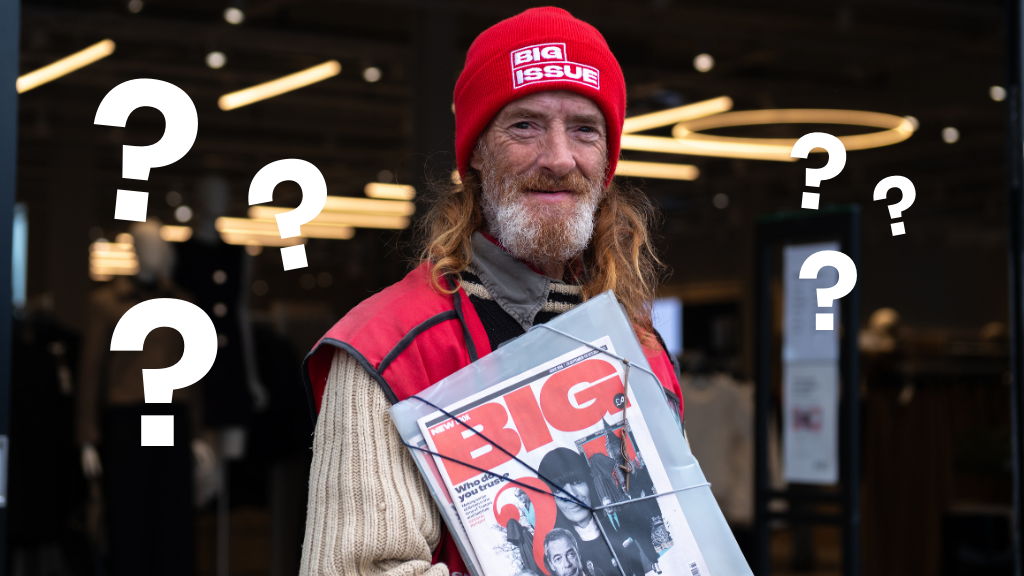
Steven MacKenzie is editor of Big Issue. Read more of his writing here.
Do you have a story to tell or opinions to share about this? Get in touch and tell us more.
Change a vendor’s life.
Buy from your local Big Issue vendor every week – and always take the magazine. It’s how vendors earn with dignity and move forward.
You can also support online:
Subscribe to the magazine or support our work with a monthly gift. Your support helps vendors earn, learn and thrive while strengthening our frontline services.
Thank you for standing with Big Issue vendors.