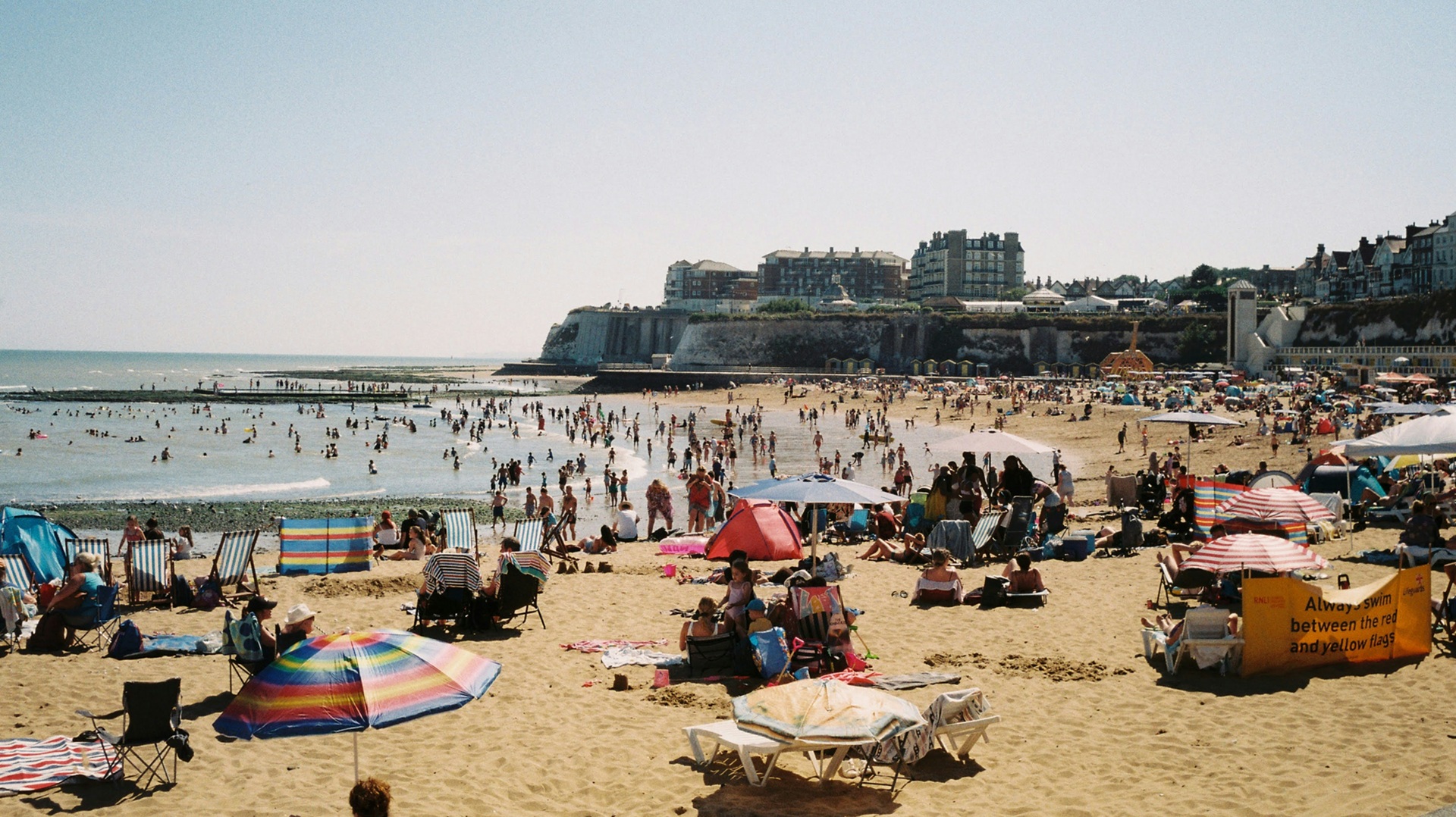
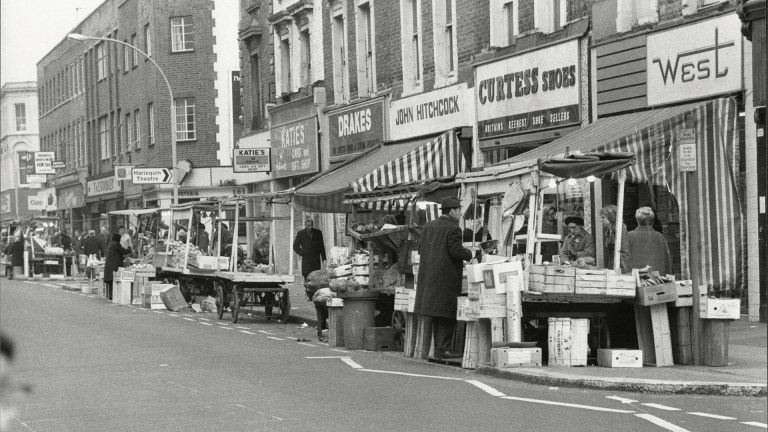
Yet, with the right, collaborative approach – from travel companies, local authorities and travellers themselves – tourism can create better places to live in, and visit. Echoing Natasha, the British seaside doesn’t need us to stay away to tackle summer overtourism, it needs us to visit in a way that funnels money into local hands, boosts local services and generates long term, year-round employment opportunities.
We can do that by supporting businesses, restaurants and hotels giving opportunities to people at the sharp edge of the cost of living and mental health crises.
Choose locally-owned guesthouses and hotels over short-term rentals owned by external companies – and look for those which prioritise social good. Across India, up to 20% of Lemon Tree Hotels’ enormous workforce are disabled or socially disadvantaged. Magdas Hotel in Vienna, Austria is staffed by refugees and other people facing social barriers to employment.
Keep reading the journalism that powers our mission
Register free to continue and learn more about the stories, campaigns and the support we provide, helping people facing poverty across the UK.
If you’re in London, pick up a coffee at Redemption Roasters which trains prisoners as baristas and coffee roasters, employing them on their release. Or, enjoy a pint in the North Star in Brighton, a pub which provides training and employment for people with learning disabilities and autism. Cafe Artysans, close to Inverness’ bus and train stations, hires and trains vulnerable young people to help them build skills for future work.
In London, Unseen Tours give people affected by homelessness a voice in how tourism is managed, curating and leading walking tours around areas they know intimately. In return formerly-homeless guides gain employment, training, accommodation support and improved self-confidence. Invisible Cities offer similar tours in Manchester, Glasgow, Cardiff and more.
Read more:
Choosing to travel out of peak season can reduce seasonality and create more stable employment opportunities year round. And it works better for tourists too. What’s the point in visiting an iconic attraction when there are too many other people to see it properly? And it’s much easier to immerse yourself in local culture when it’s not drowned out by other visitors.
I’ve long supported tourism taxes for a simple reason. When we visit a place, we essentially become temporary residents; we use the same facilities, public transport, natural and built environments as local people do. All that additional footfall can add huge pressure on already overwrought services and infrastructure. It’s only fair to pay our way. It’s then up to local authorities to work in consultation with their communities to ringfence those funds to improve local services and invest in opportunities for the less advantaged.
We need to tackle social inequalities early. When customers book a holiday with my company, Responsible Travel, we offer to fund a day trip for a disadvantaged child, somewhere in the world, on their behalf. These include children in Eswatini who live next door to a wildlife reserve but have never seen a zebra, inner-city London school kids who have never been to the countryside, or kids living in Kolkata’s slums who have never visited the city’s museums or parks. Trip for a Trip won’t end social inequality, but tourism initiatives like this can help break down barriers and broaden horizons.
Responsible Travel donates regularly to Sussex Nightstop and also supports The Clocktower Sanctuary, a drop-in day centre for young people facing homelessness, by cleaning its entrance alley so its visitors don’t feel too intimidated to walk inside, and with food donations over Christmas.
Of course we need systemic change, but these small actions matter too. And the potential for travel and hospitality to scale these up – to embed them in the work we do – is immense.
The concept of Responsible Travel was born in Brighton’s Lanes in 2001. It’s since grown into a global movement, and there’s a simple reason for that: it’s designed to work better for everyone. Investing in local communities also helps protect the places we love to visit – and that creates a better experience for us all.
In Brighton, and wherever we are, as travellers and travel businesses, we can help drive change. It’s time to act together.
Tim Williamson is joint-managing director at Responsible Travel – and previously a director TUI. He is chair of the board of trustees for Sussex Nightstop, where he also volunteers as a host.
Do you have a story to tell or opinions to share about this? Get in touch and tell us more.
Change a vendor’s life.
Buy from your local Big Issue vendor every week – and always take the magazine. It’s how vendors earn with dignity and move forward.
You can also support online: Subscribe to the magazine or support our work with a monthly gift. Your support helps vendors earn, learn and thrive while strengthening our frontline services.
Thank you for standing with Big Issue vendors.