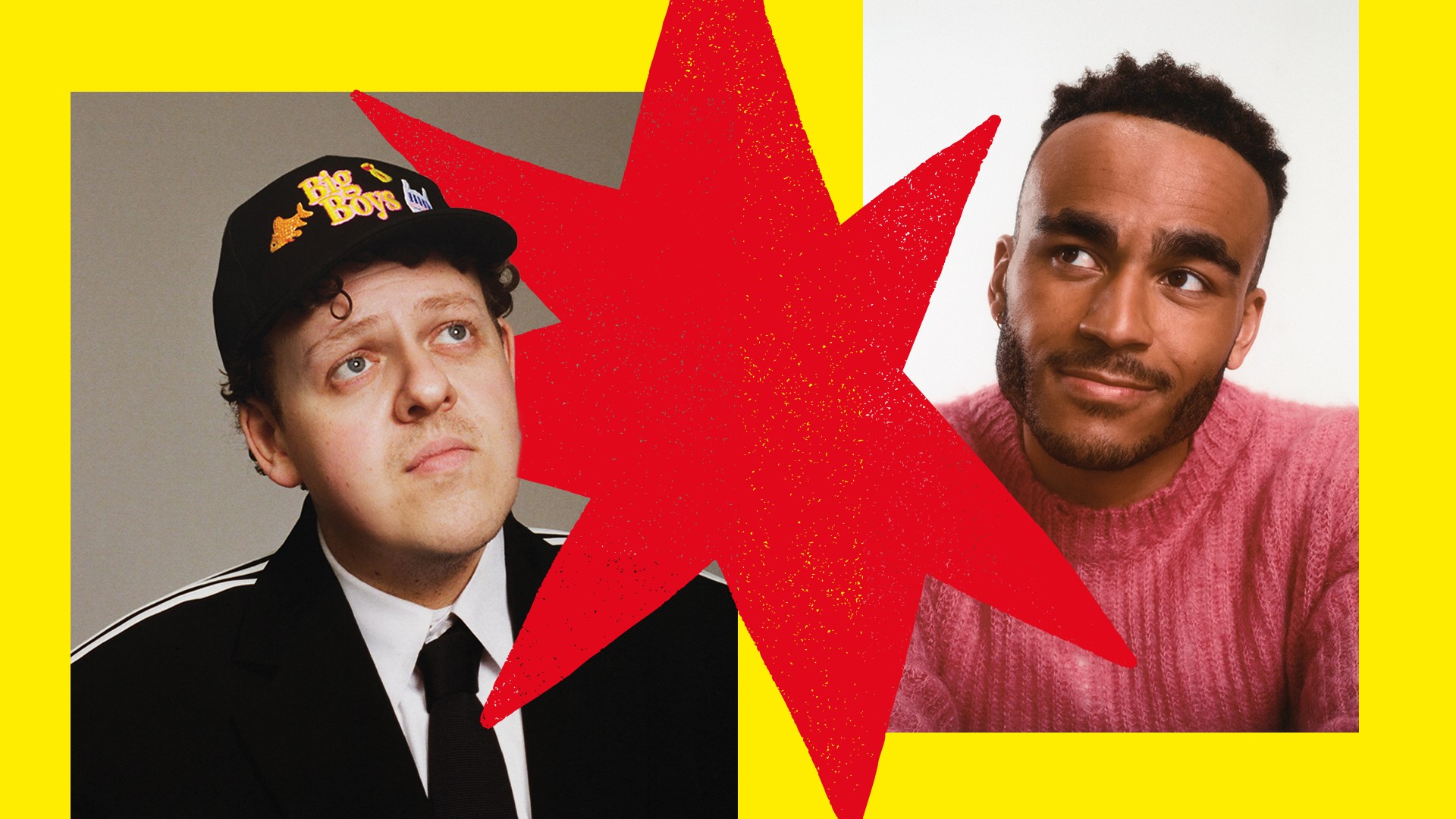
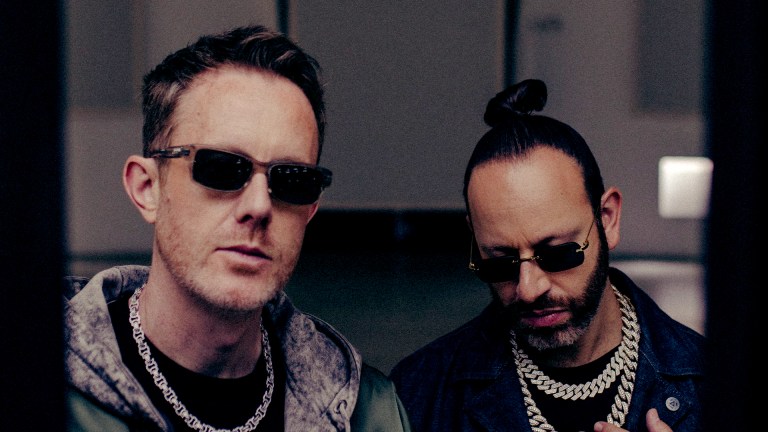
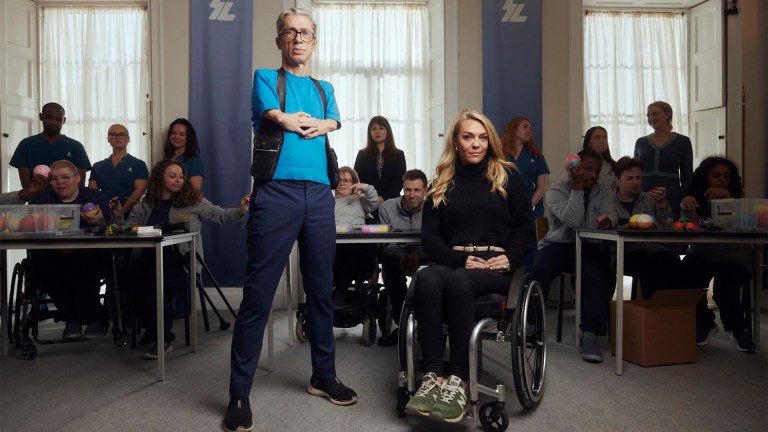
Munya Chawawa’s sharp satire skewers the chaos of modern politics and culture in real time; the 33-year-old combines fast-turnaround YouTube shorts (Race Around Britain won an RTS Award) with mainstream TV. Jack Rooke, 32, won consecutive Baftas for his vital comedy Big Boys, a quietly revolutionary exploration of grief, queer coming-of-age and male mental health and friendship.
Neither had an easily signposted route into the culture industries. So when Big Issue’s guest editor Amelia Dimoldenberg wanted to consider how to improve access to careers in the arts, she knew who to call. Happily, Chawawa and Rooke go way back. Here’s what they had to say on the issue.
Munya Chawawa: I had the pleasure of half shouting, half whispering to you on the decking of Clara Amfo’s garden at her birthday party. A short and sweaty but hugely enlightening conversation.
Jack Rooke: I’m rather loose-lipped with comedians and writers I like. Because, however difficult it is to get into the industry, once you’re in it can be just as hard. So the more you can build community the better – especially as it can feel like a bit of an establishment, we-all-did-Cambridge-Footlights-together type club.
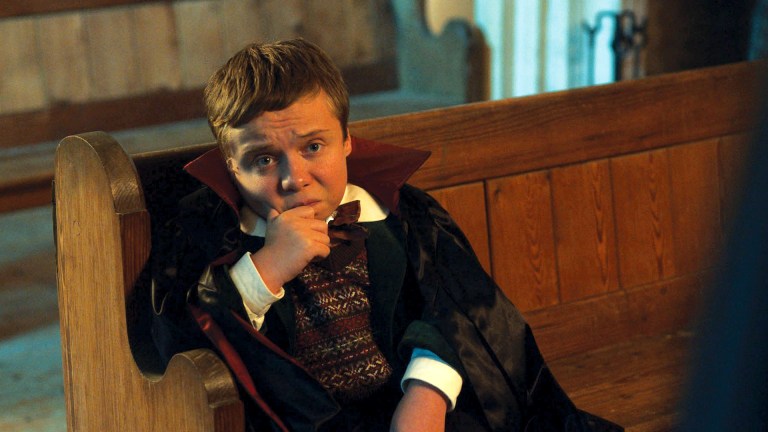
MC: I first consumed your work on the set of Netflix series Sandman 2, where I had to arrive five hours early for prosthetics. I watched Big Boys dressed as the Duke of Demons with this blue sea moss mohawk.
JR: That’s what I always wanted it to be – people should feel empowered to dress up however they like to watch my comedy. I like chatting to people who’ve come into comedy from different angles. That’s what Amelia’s done so well. She could have sold Chicken Shop Date to the BBC years ago but she kept editorial control, which means that she can set up things like Dimz Inc. Academy. People like you and Amelia come from that route of being creators, where you are your own platform. That model is very exciting.
Advertising helps fund Big Issue’s mission to end poverty
Advertising helps fund Big Issue’s mission to end poverty
System failure
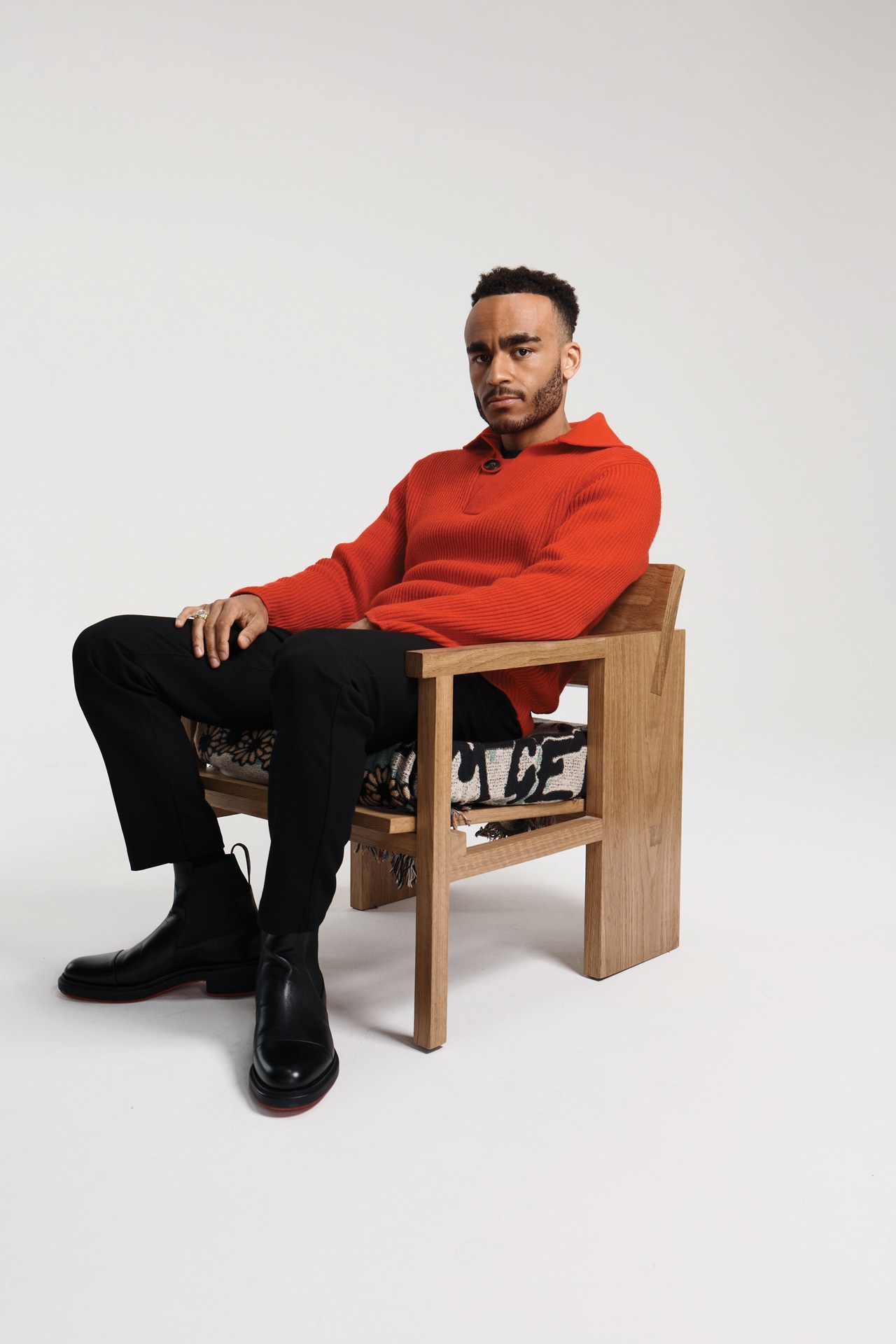
Munya Chawawa
JR: We’re in a place where so many youth clubs and youth-orientated spaces are gone. They’ve either been cut or turned into luxury flats. So there is a lack of spaces for young people to meet and be creative.
MC: The message that there’s nothing for young people is well worn now. So I’m not going to contribute to that by saying something you already know… but I will say how incredible it is when it does work.
JR: Yes! Growing up, there were more weekend stage schools and places where you could find a creative community in person rather than just online. My start came from places like the Roundhouse – where you literally have a creative hub in the building. You could learn DJ skills, there’s an online radio station, you can write lyrics and collaborate – it felt like a place to meet people who were interested in creative pursuits.
Keep reading the journalism that powers our mission
Register free to continue and learn more about the stories, campaigns and the support we provide, helping people facing poverty across the UK.
MC: The creative spaces you go to as a kid, it’s never, ‘I went into the theatre when I was six, came out knowing all the moves to Billy Elliot and decided I was going to be on stage.’ It’s a sequence of small ignitions and sparks, right? I grew up in Norwich, we had a place called The Garage where you could do drama classes and put on a play. My sister was in one and it was a big deal. That ignited something.
JR: The way our country is set up, it doesn’t surprise me that we’ve got over a million young people who are not in employment, education or training (NEET). Because we don’t empower young people to believe they can be the thing they want to be.
MC: I was thinking about why access to the arts is so important for young people. And it’s because, when you drill down into how our society is structured now, what teaches us to be human? What spaces do we have to laugh, cry, offend somebody for the first time, be offended, overstep the mark?
JR: You’re completely right. There’s something about the arts and personal growth that go hand in hand. I grew up with a real non-understanding of politics. But when I started engaging with the arts, I formed my own political opinions, my understanding of prejudice and what class was, rather than something I would just feel. The arts give you a framework of stories and experiences that help shape who you are.
MC: Yesterday afternoon, I took a group of boys to see To Kill a Mockingbird at Wyndham Theatre with the Black Boys Theatre Club, an initiative I run where we take young black boys to their first play. When it got to the interval, the boys leapt out of their seats, looked at me, and were like, “Don’t tell me that’s the end.”
JR: Brilliant.
MC: I was like, “No, no, there’s a second half.” The conversations they were having! One boy had counted how many times the N-word was used in the first half, which was around 20. Some on my left were laughing whenever the word was said. The ones to my right were saying, “I never knew racism existed like this.” And that’s all from being in a creative space with actors, exploring real-life themes and real-life words.
JR: It does have such a big direct impact.
MC: I don’t know how they’ll think about their blackness and race from this point onwards, but how amazing that a play started that for them. Would any of those boys have bought a ticket to that expensive show in the West End, away from their boroughs, had it not been for one of many initiatives like this?
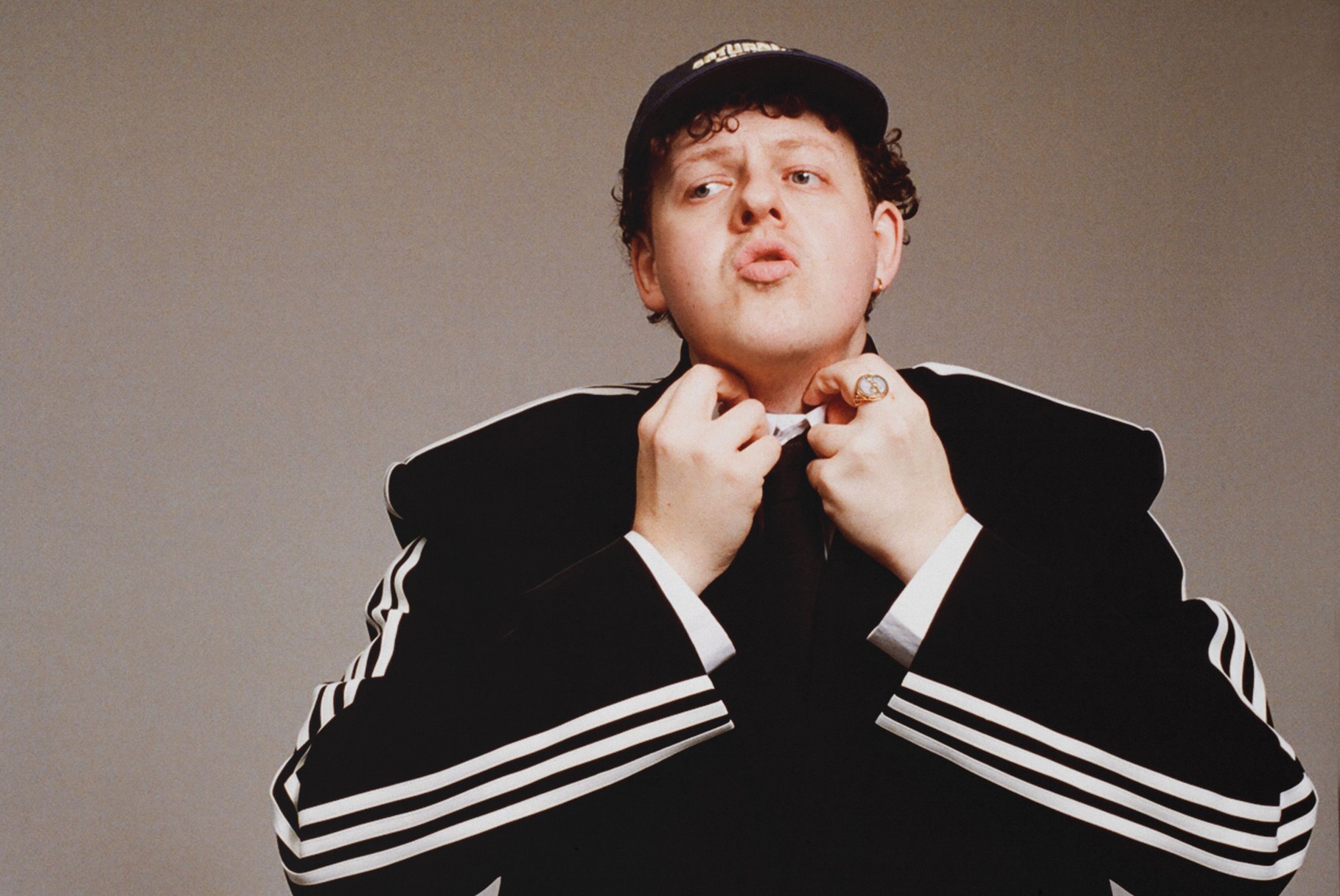
Jack Rooke. Image: Lewis Vorn
Every song is a seed
JR: What are we going to do to make sure new comedians or theatre makers aren’t all Oxbridge people who’ve got cash to invest in their own work from the off? I would not have a career if it wasn’t for a woman from the Arts Council coming to a little stand-up gig at the start of my career. She said, “You can apply for money that pays you to write.” I was like, “What? That sounds like a scam.”
MC: I’m aware, with regards to my boys and the Caribbean-African parental community, that careers in the arts are not promoted heavily. We joke about it: “You’ve got to be a lawyer or doctor.” If anyone asks why our theatre club is only for black boys, I say, “Theatre’s for everyone. But I tell you who’s furthest away from it: young black boys.” Because if it’s not the economic barriers, it’s your parents telling you, “Don’t even think about it.”
JR: I’m part of the Young Creatives Commission at the Roundhouse – we’re looking at the barriers facing young people. I still find loads of arts spaces intimidating, so how do we make young people want to turn up? We need to remind arts organisations to invest in this. If you’re not creating ladders into your organisation and helping people get on that ladder, you are accelerating the people who can already afford to get to you. And you’re gonna end up with very boring art.
MC: The role of any creative initiative is not to ensure a star is born at the end of every theatre trip. Creativity only ever plants seeds in a person’s mind and soul. If you go into a gallery, even if you don’t understand the pictures, it’s a seed. Every play is a seed. Every song is a seed. The ones we cultivate – what else has that artist made, what else can I see at the theatre? That’s when it begins to grow.
JR: I want to help people understand the value of the arts and what it does, particularly for young people, to feel part of a community. That’s why it’s important to see working-class people and people from different racial backgrounds doing jobs in the arts.
MC: All we’re doing is trying to plough the ground, so it’s as receptive as possible to receive those creative seeds. Hopefully one sprouts into something fantastic, our next Shakespeare or David Harewood; the next great composer or comedian; the next Dizzee Rascal.
Roundhouse Young Creatives Commission
Led by Centre for Young Lives in partnership with Roundhouse, RYCC aims to promote access to the arts for young people.
Image: Wiktor Szymanowicz / Anadolu Agency
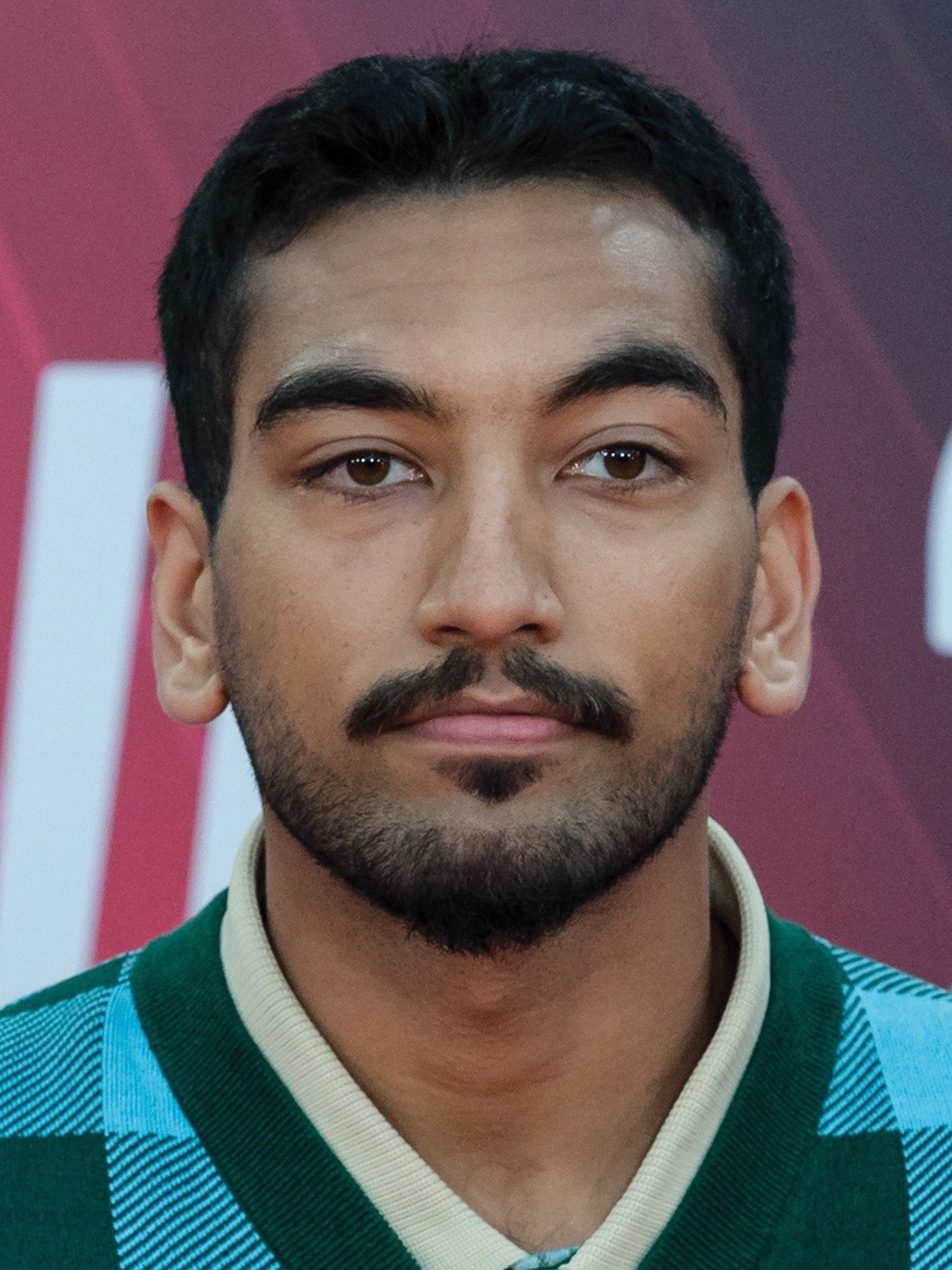
Nabhaan Rizwan
Actor Nabhaan Rizwan has starred in crime drama Informer and in Film Club with Aimee Lou Wood. The 29-year-old took part in Roundhouse projects and joined Wax Lyrical, their free programme for young people, which blends poetry, spoken word and movement
I discovered Roundhouse through my brother [Mawaan Rizwan, creator and star of BBC comedy Juice]. Roundhouse provided every opportunity for me to have an artistic playground. The facilitators and mentors were such a shining light for me.
Publicly funded opportunity was already drying up by the time I was a teenager. It’s continuing along that trend right now. I couldn’t afford drama school auditions – you have to pay £80 to £100 per audition. Think about all the talent you already said no to. That’s the fault of the system. So many people slip through the cracks.
Gracie Broom
Gracie Broom is a 25-year-old entrepreneur and winner of Roundhouse’s 2025 Creative Business Accelerator grand prize for Reporti, a real-time incident reporting platform for live events
I was about 13 when I founded my first business, designing T-shirts, putting them on Instagram and shipping them around the world. But when I went to university, there was a choice between design and the more business-y serious side of things.
I’ve been able to straddle both, but there was always apprehension to jump into the creative side. It seemed like the harder industry to get into. My advice to a young person would be jump into it. Don’t overthink it too much. Speak to as many people as possible, get feedback, learn and make mistakes. Each time you do, it’s going to be better next time.
Honey Birch
Honey Birch, who is in their 20s, is a filmmaker and artist and a recipient of the Roundhouse Wiggin Filmmaker Award
The arts space is such an enigma. It’s really hard to understand unless you have witnessed it or been shown how it works. I’ve found it to be really competitive as there’s only a handful of opportunities so many people are vying for. Even if you do get an opportunity, they’re often not paid which is alienating.
There needs to be more opportunities and more visibility of them. You really have to seek or stumble upon funding, grants and programmes. A lot of these things are also London-centric. I’d like to see opportunities spread across the UK.
Daniel Mays
Actor Daniel Mays is a commissioner at Roundhouse Young Creatives Commission
The arts have always been the bottom rung of the ladder. The point of the commission is for the arts to be as championed and celebrated as sport. What I’ve done as an actor has given me a platform to express myself. My biggest fear is that the generation coming through haven’t got the same opportunities. I’m always flying the working-class flag, which is something the Young Creatives Commission is passionate about. It’s about helping kids who don’t have the same opportunities as their well-to-do counterparts. It’s not that these kids aren’t talented, it’s having a space to nurture and build foundations.