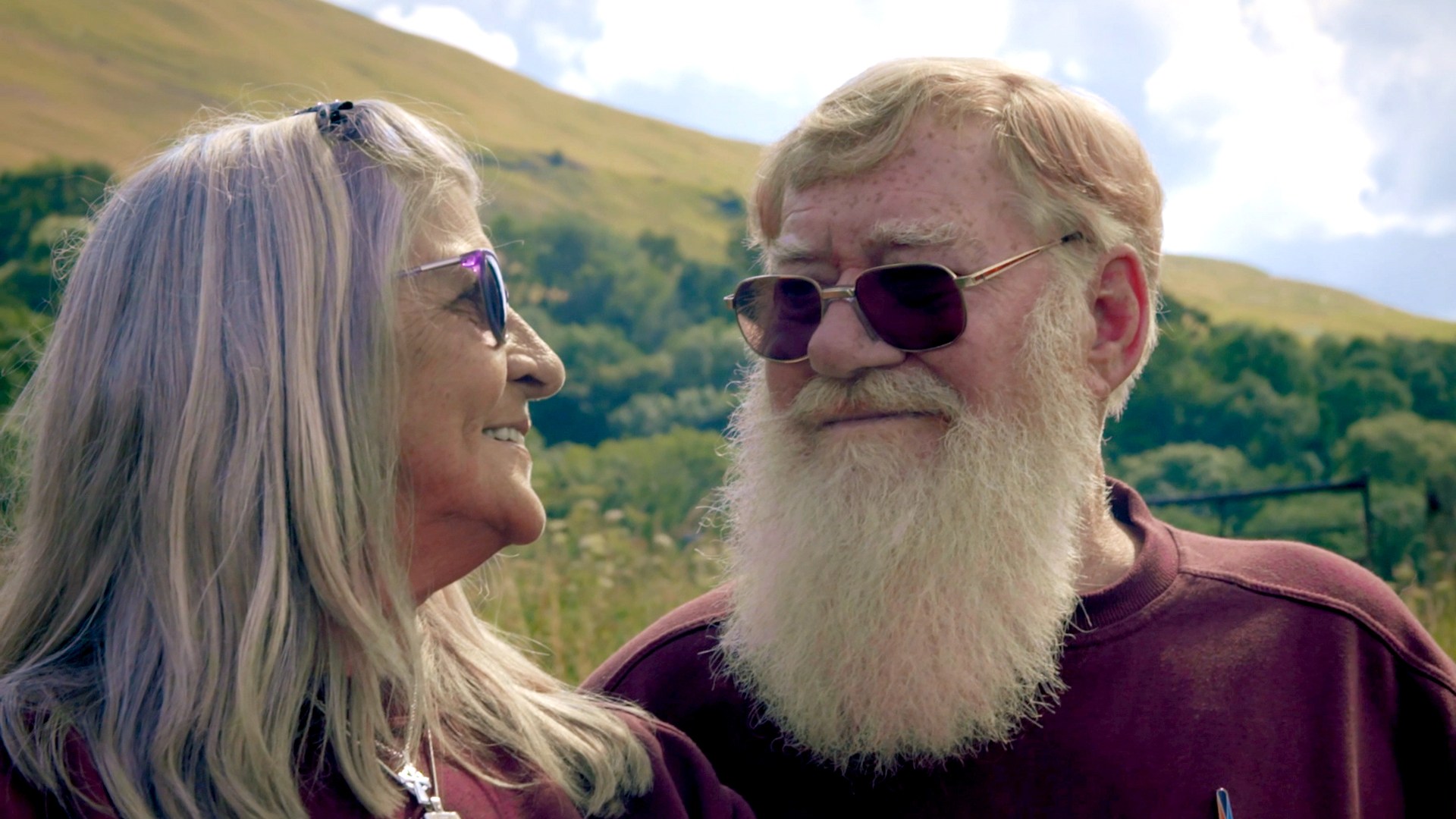
‘I was diagnosed with dementia almost a decade ago but life is for the living. You can’t hold back’
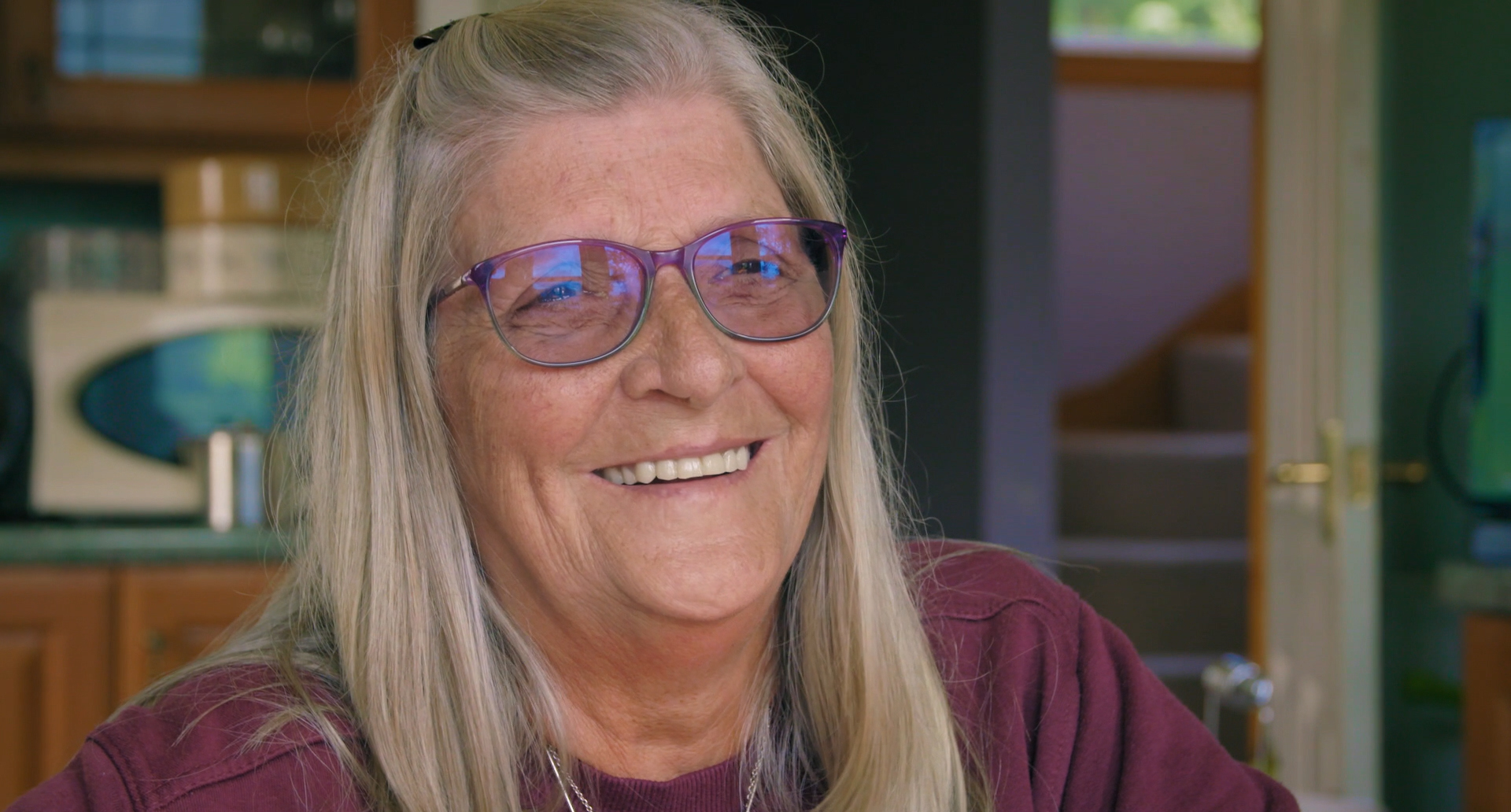
Olive Munro is a 75-year-old living in Loch Tay, Perthshire. She writes that diagnosis is not something to fear. It gives you power
by: Olive Munro
3 Sep 2026
Olive Munro and her husband Ronnie. Image: Alzheimer's Research UK
Share
I was diagnosed with mild vascular dementia in 2017. I keep very active mentally. Things have deteriorated here and there, and my symptoms fluctuate, but life is for living. You can’t hold back. I go out and have fun.
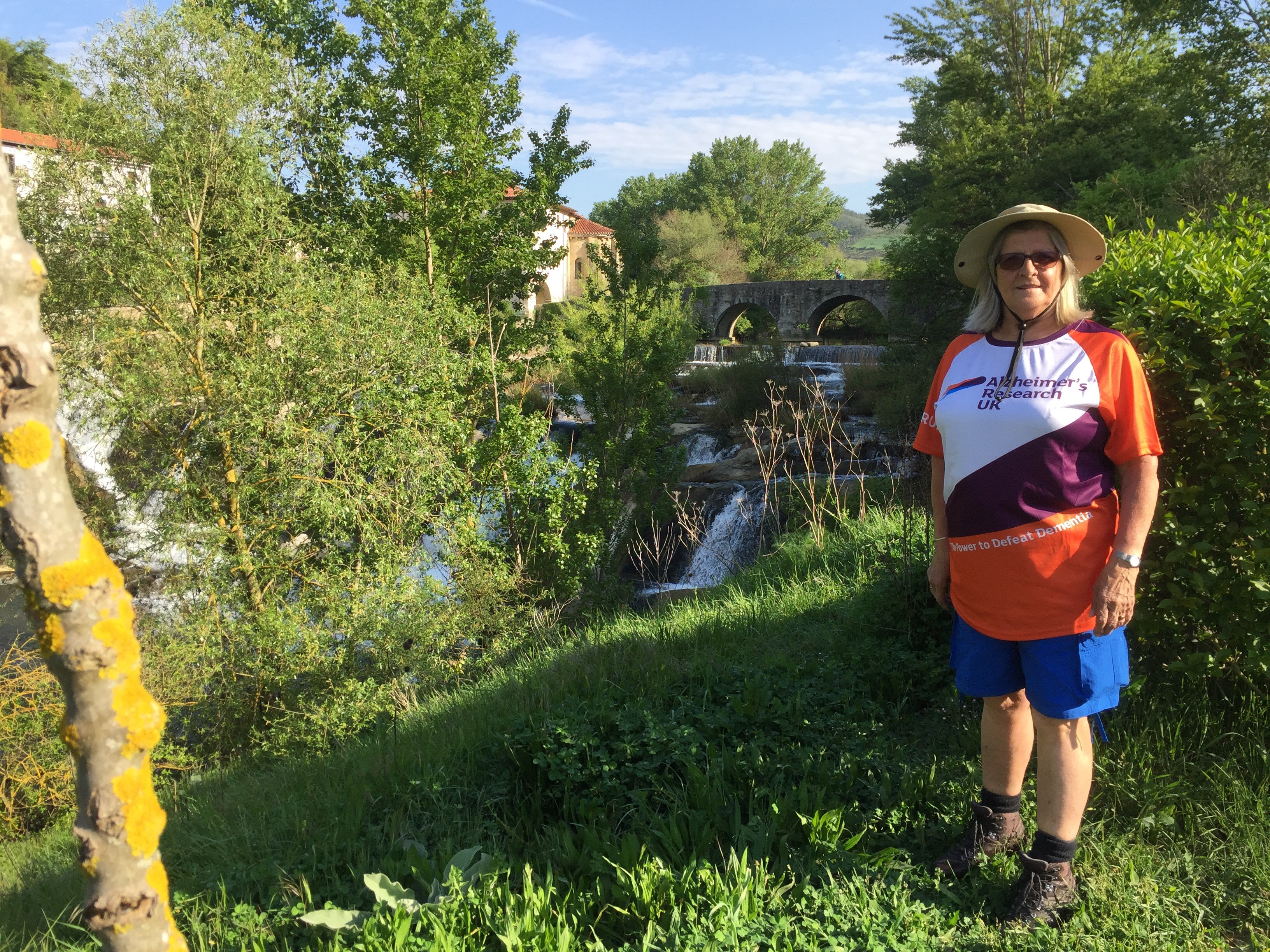
I walked the Camino de Santiago in 2018. It’s fabulous. I hated walking before then. I only did the Camino because we watched the movie with Martin Sheen [The Way, 2010]. My walking is not as good now – otherwise I would do it again.
My diagnosis experience was great. I went to the doctor, and I told them it’s dementia. I just knew it was. I was checked and within a year, I had the diagnosis.
I often think about what I will lose and have lost. One of the things that bothers me is I have lost the power of small talk. I never had a problem going into a crowded room and blathering with folk, and now I just sit there. I do miss interaction. I get a sentence in my head and can’t get it out of my mouth. The sentence goes over and over in my head.
I’ve lost my mental arithmetic, but I just use a calculator. I am still the treasurer for four groups in the community. I love numbers. I was a banker for 16 years. I do puzzles and Sudoku. There’s a word game I like which I do on the computer and is quite challenging. Sometimes I cheat. If you told me to sing a song from the past, I couldn’t do it. But the minute the music starts, I remember every word.
Read more:
Advertising helps fund Big Issue’s mission to end poverty
My husband Ronnie has to check the cooker because I’ve been known to leave it on. I now switch it off at the mains and that way I don’t have to worry too much. There are other things I’ve lost I can’t think of now.
It’s important to me to stress the importance of early diagnosis because you can get all your ducks in a row. I’ve sorted my will and pledged a gift to Alzheimer’s Research UK. I’ve got the power of attorney done. I know that legally the doctor could say ‘I’m not going to do that’, but at least it’s there so if I get a secondary disorder (cancer or bad lungs or whatever), I don’t want it fixed. I have that all written down.
Olive on her Camino de Santiago trek. Image: Supplied
The kids know exactly what’s happening. They asked: “What do you want with regards to a funeral?” Well, I really don’t care. I’m dead. All I know is I’m not getting buried. I’m hopefully going to the local university to get cut up for research.
Continue reading for free
Registration is free and takes less than 30 seconds.
Our supporters make Big Issue’s work possible. Join us to see the impact we’re having together and discover more ways to help people facing poverty access income, opportunity and support.
After the research has been done, my body will then get cremated and go to a garden of remembrance. It’s not something I would have thought about had I not been diagnosed with dementia. It’s important to stress anywhere that early diagnosis is not something to fear. It gives you power.
Olive says that diagnosis gave her power. Image: Supplied
What is vascular dementia?
Vascular dementia is the second most common type of dementia.
Advertising helps fund Big Issue’s mission to end poverty
For every 10 people living with dementia, two of those will have vascular dementia.
Vascular dementia is caused by damage to blood vessels in the brain.
Our blood contains oxygen and nutrients that help brain cells to work properly. When blood vessels are damaged, less blood reaches the brain. This can affect how brain cells work.
If this damage spreads, over time it can lead to symptoms of vascular dementia, like memory and thinking problems.