We can’t afford to turn a blind eye to the role that notions of deservedness have played in food bank normalisation and in increasing the stigma that surrounds their use. In her new book, A Taste for Change, Trussell’s Heather Buckingham describes a multifaceted strategy to build ‘a food bank free future’. Examining sociological context to long-established evidence-based cash-first calls to address hunger, Buckingham argues that the evidence of poverty’s impact alone won’t get us to a future where no one needs to turn to charity to eat. Unless a collective belief emerges that everyone matters, then the moral imperative to take heed of the damage being inflicted on millions of food insecure households could well remain elusive.
As groundbreaking cash-first CRF schemes are established in communities across England, it’s vital that the tripling of food surplus redistribution doesn’t paradoxically serve to further entrench a charitable food aid response to poverty at a local level. It’s long been established that feeding hungry people with surplus food is ‘a short-term band aid’ on the problem of poverty.
Food surplus redistribution giant Felix and others now agree but there’s a legacy of faulty messaging to reverse to universally establish that redistributed surplus food cannot possibly address or ‘fight hunger’. Unavoidable surplus food (the food that can’t be reduced at source) could be used within community food settings that people access because they want to not because they have to. However, for us to arrive at this long-term goal, any redistribution of surplus supply within food aid settings needs to be framed as a temporary response alongside clear objectives as to how unavoidable surplus food could be used when everyone has enough money to live off.
Keep reading the journalism that powers our mission
Register free to continue and learn more about the stories, campaigns and the support we provide, helping people facing poverty across the UK.
And, in light of the scale of unclaimed social security payments and social tariffs, it’s essential to take the CRF, and its invaluable focus on helping individuals to build financial resilience, one step further by increasing investment in ways that people can access help and support to maximise their incomes at the earliest opportunity through local advice services and signposting resources that can be embedded in communities.
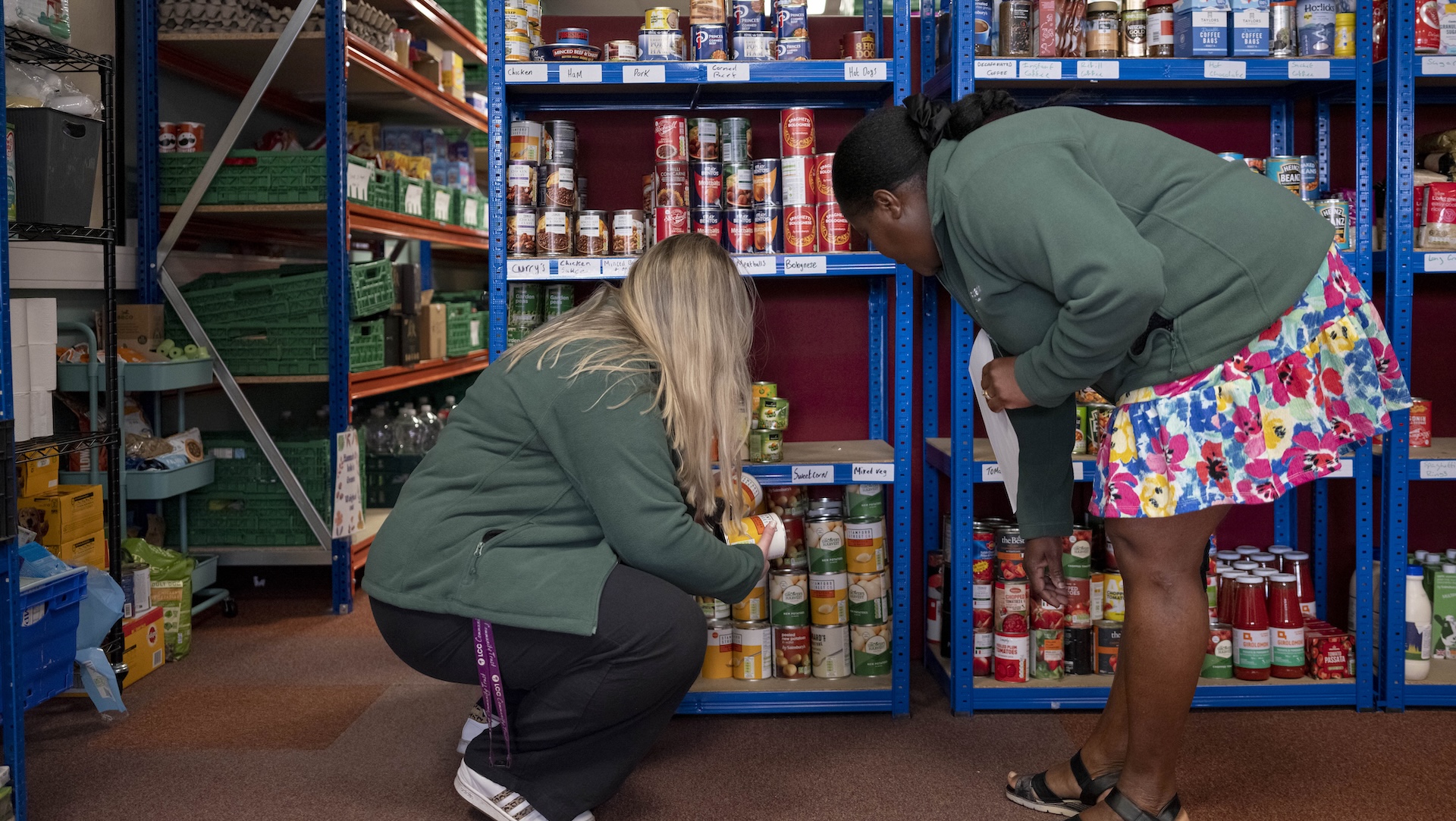
Grassroots food aid teams have long been driving change from the ground up. In 2022, the Independent Food Aid Network (IFAN), Trussell, and Feeding Britain facilitated the delivery of a letter from frontline food aid teams to the prime minister urging action to increase people’s incomes while reducing demand on overstretched and exhausted staff and volunteers.
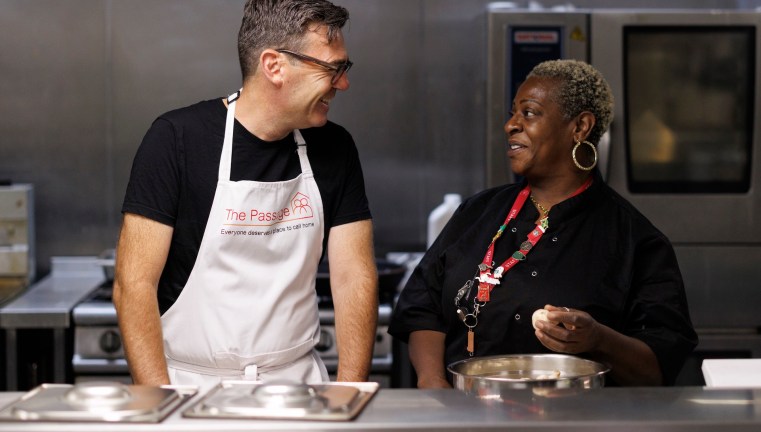
In June 2025, hundreds of food bank staff and volunteers from across the sector descended on Westminster to lobby their MPs on the need for an Essentials Guarantee. For frontline food aid workers and volunteers, this is about building a future where people can afford to live and make choices. Food aid settings might transform into community hubs where trusted community spaces incorporating a range of wraparound services including advice and support to maximise income.
Advertising helps fund Big Issue’s mission to end poverty
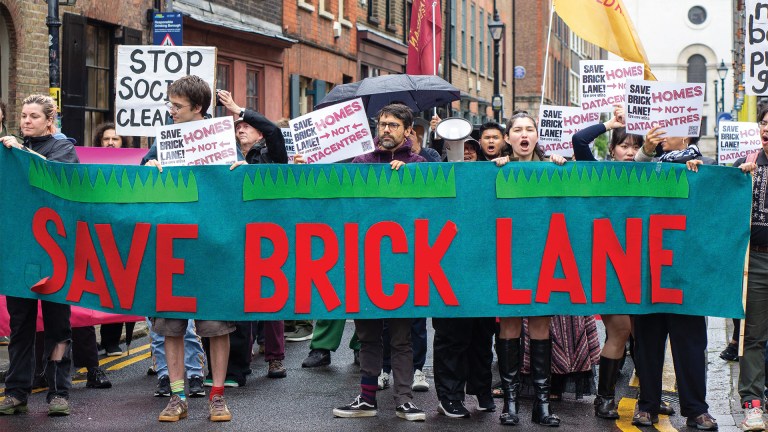
Other food aid spaces might develop into community food venues that people access through choice rather than necessity. However, the might of food aid teams alongside local partners within local community networks of support can only do so much to push forward the policy agenda. It’s the structural drivers of inequality that must be tackled by governments and Andy Burnham’s government first and foremost.
Sabine Goodwin is director of Independent Food Aid Network (IFAN). Find out more about A Taste for Change: How to build a food bank free future.
Do you have a story to tell or opinions to share about this? Get in touch and tell us more.
Change a vendor’s life.
Buy from your local Big Issue vendor every week – and always take the magazine. It’s how vendors earn with dignity and move forward.
You can also support online:
Subscribe to the magazine or support our work with a monthly gift. Your support helps vendors earn, learn and thrive while strengthening our frontline services.
Advertising helps fund Big Issue’s mission to end poverty
Thank you for standing with Big Issue vendors.