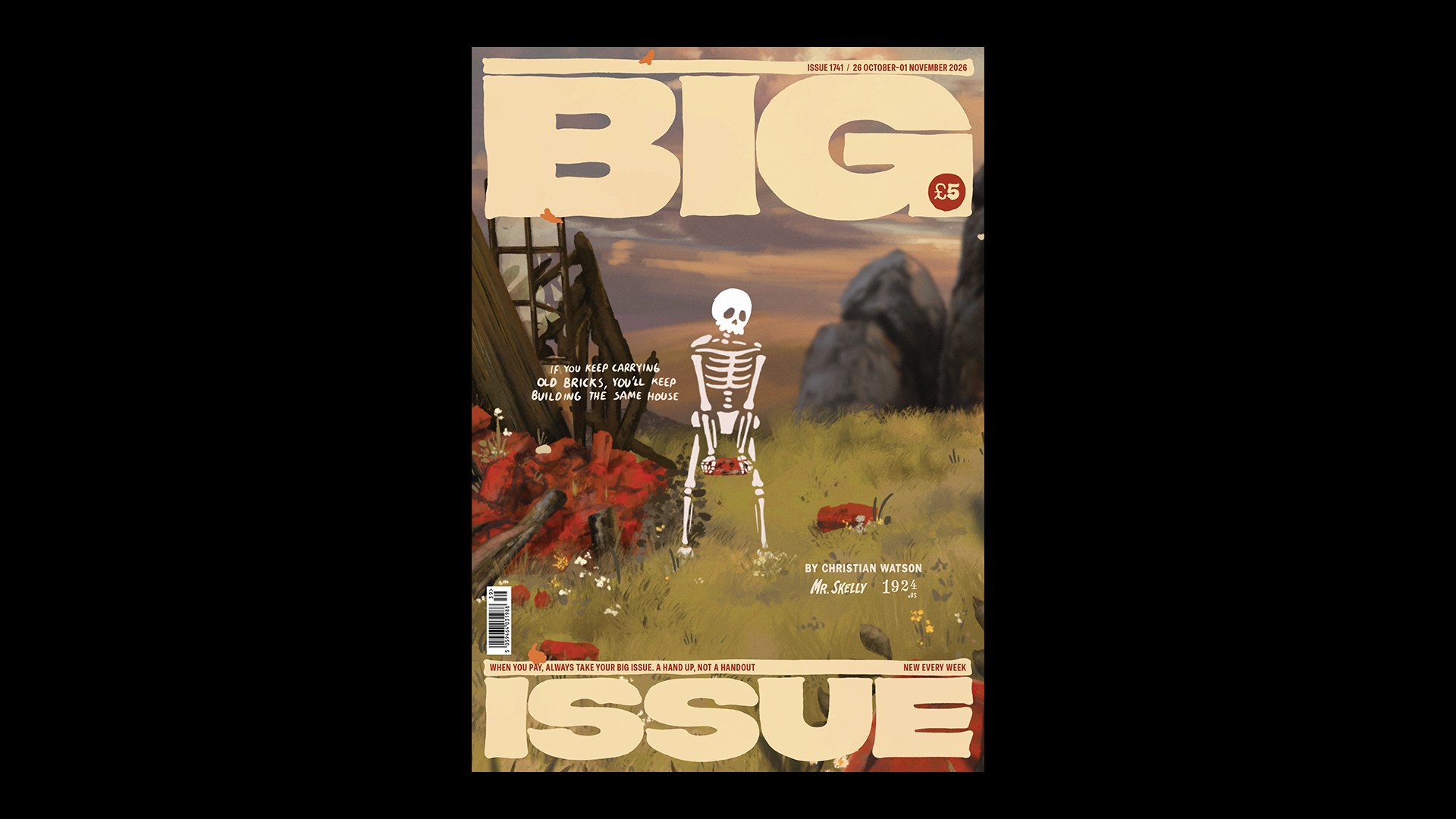
There are hurricane-force winds blowing when Big Issue calls Christian Watson in his adopted home in Tasmania. He can feel the walls of his convict-era house moving. But inside all is calm, the conversation is reasoned and reflective. This contrast mirrors his art. Watson tames the biggest and darkest of themes – loss, grief and death – and transforms them with scenes about self-acceptance, resilience, hope and the elemental joy of being alive.
His artistic alter ego is a skeleton, who Christian christened Mr Skelly. The world he inhabits seems to exist on a higher, more peaceful, dreamlike plane. The bones have connected to bodies around the world. Watson, originally from Oregon, has built up a following of over six million on Instagram, and his first book, How Lucky Am I topped the Sunday Times and New York Times bestseller charts after its publication this summer. So, how lucky does Watson consider himself to be? “Pretty darned,” he says.
Read more in this week’s Big Issue.
What else is in this week’s Big Issue?
How will Andy Burnham ensure LGBT+ people are not missing from his rough sleeping promise?
Stonewall research found almost one in five LGBT+ people had experienced homelessness, rising to 25% among trans people. LGBT+ youth homelessness charity akt identifies family rejection and abuse as major drivers. Andy Burnham has pledged to offer everyone sleeping rough a route off the streets this winter. What will it mean for LGBT+ homeless people?
How the UK’s housing crisis turned into a political football
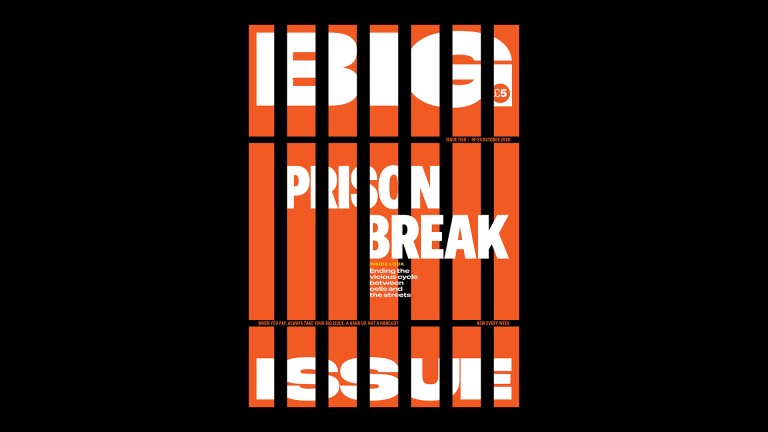
An observer does not need to look too hard to see that our housing crisis has sunk its nails into British politics, twisting and warping it in ever-clearer ways. From who gets social housing to debates about the defence of the nation, this is how the housing crisis became a political football – and where we go from here.
What happens when you can’t afford to die?
Life’s only certainty is its inevitable end. But increasingly, many people can’t afford to die. As funeral costs stretch household finances to breaking point, the price of doing so is increasingly beyond many people’s means. The result is a loss in dignity, a great deal of distress and an inability for those left behind to properly grieve.