Lockdowns have taken income away from hundreds of Big Issue sellers. Support The Big Issue and our vendors by signing up for a subscription.
Around 3,800 households had their incomes capped by £200 or more per week. Around 39,000 people – 26 per cent of all households impacted by the policy – were capped by between £50-£100 per week.
“It is disgraceful that the number of families hit by the benefit cap continues to rise,” said Seema Malhotra MP, Labour’s shadow minister for employment.
Keep reading the journalism that powers our mission
Register free to continue and learn more about the stories, campaigns and the support we provide, helping people facing poverty across the UK.
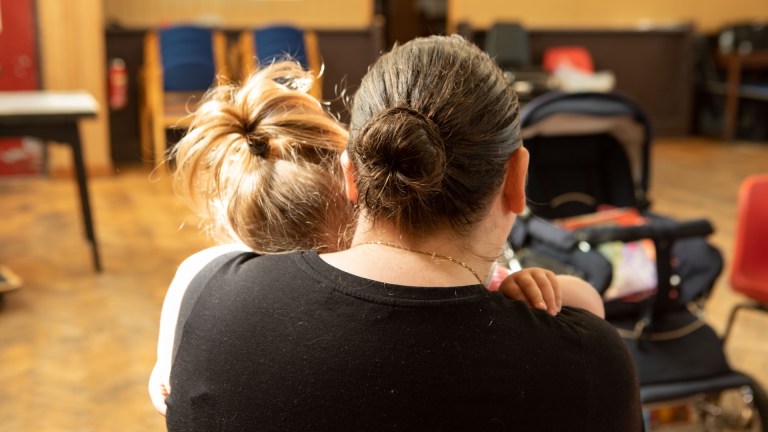
“Almost all of the capped households include children. And the figures don’t include those who will have seen their grace period end, so it is likely to be much higher.”
Malhotra said the Conservatives were “hitting families with a triple hammer blow of Universal Credit cuts, council tax rises and pay cuts”.
There were children living in nearly 85 per cent of capped households up to November last year, with families losing out on an average £55 per week – down from August, when the average cut was £57 per week.
The cap is set at £20,000 per year for families outside London, or £13,400 per year for single adults. That limit rises to £23,000 per year for families inside London, and £15,410 for single adults.
People receiving Universal Credit make up the majority – 86 per cent – of households hit by the benefit cap, while people claiming housing benefit account for the remaining 14 per cent.
The number of people claiming Universal Credit nearly doubled last year to six million, as lockdown restrictions sent the UK economy into its deepest recession since records began.
But the benefit cap policy meant the Universal Credit claimants among those 76,000 people would not have been able to receive the £20-per-week increase introduced at the start of lockdown to help people through the crisis.
London households are most affected by the policy, with 6.1 per cent having their benefit income limited in November 2020. That drops to 1.3 per cent in Scotland, where the benefit cap has the least impact proportionally.