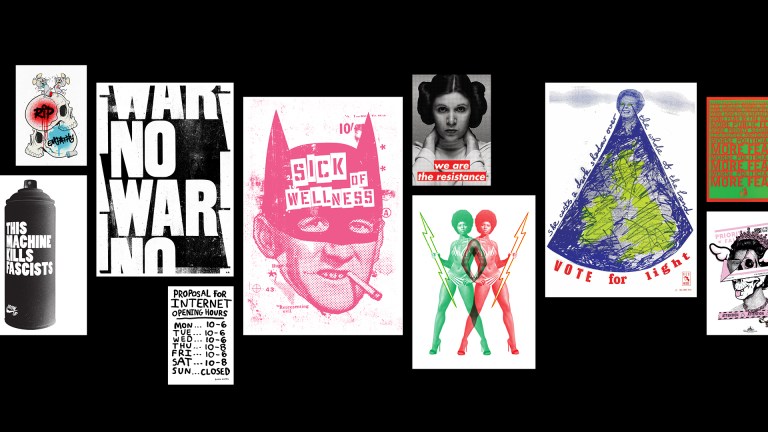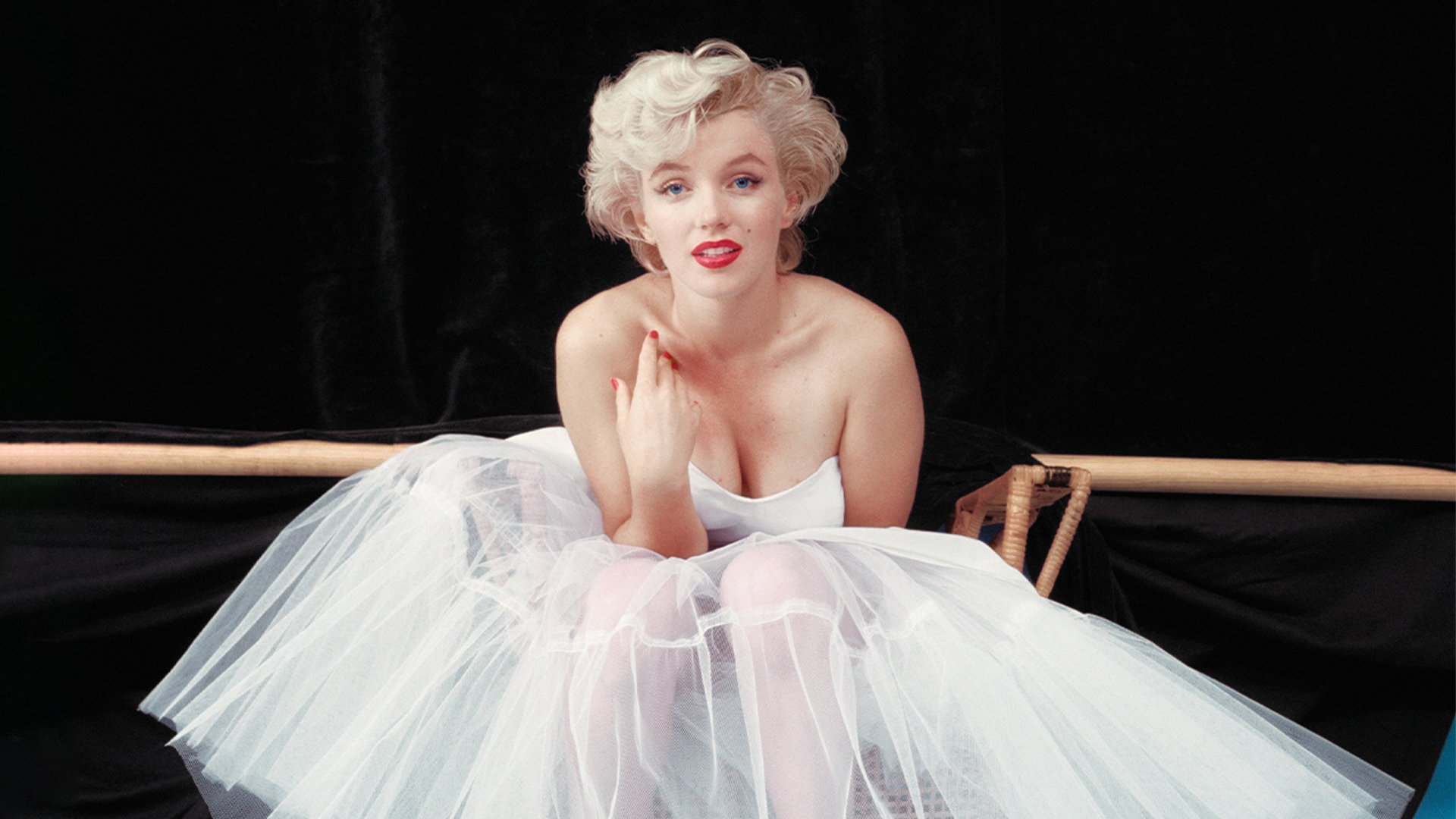
Marilyn Monroe was born on 1 June 1926. One hundred years later, her face is everywhere: on posters, fashion campaigns, merchandise and in the work of artists who have never stopped returning to her image. As photographer Bert Stern observed soon after her death: “She is gone but she is everywhere.”
The question of why she remains so compelling is one I have spent years thinking about, and one that our exhibition at the National Portrait Gallery, Marilyn Monroe: A Portrait, seeks to explore with fresh eyes.
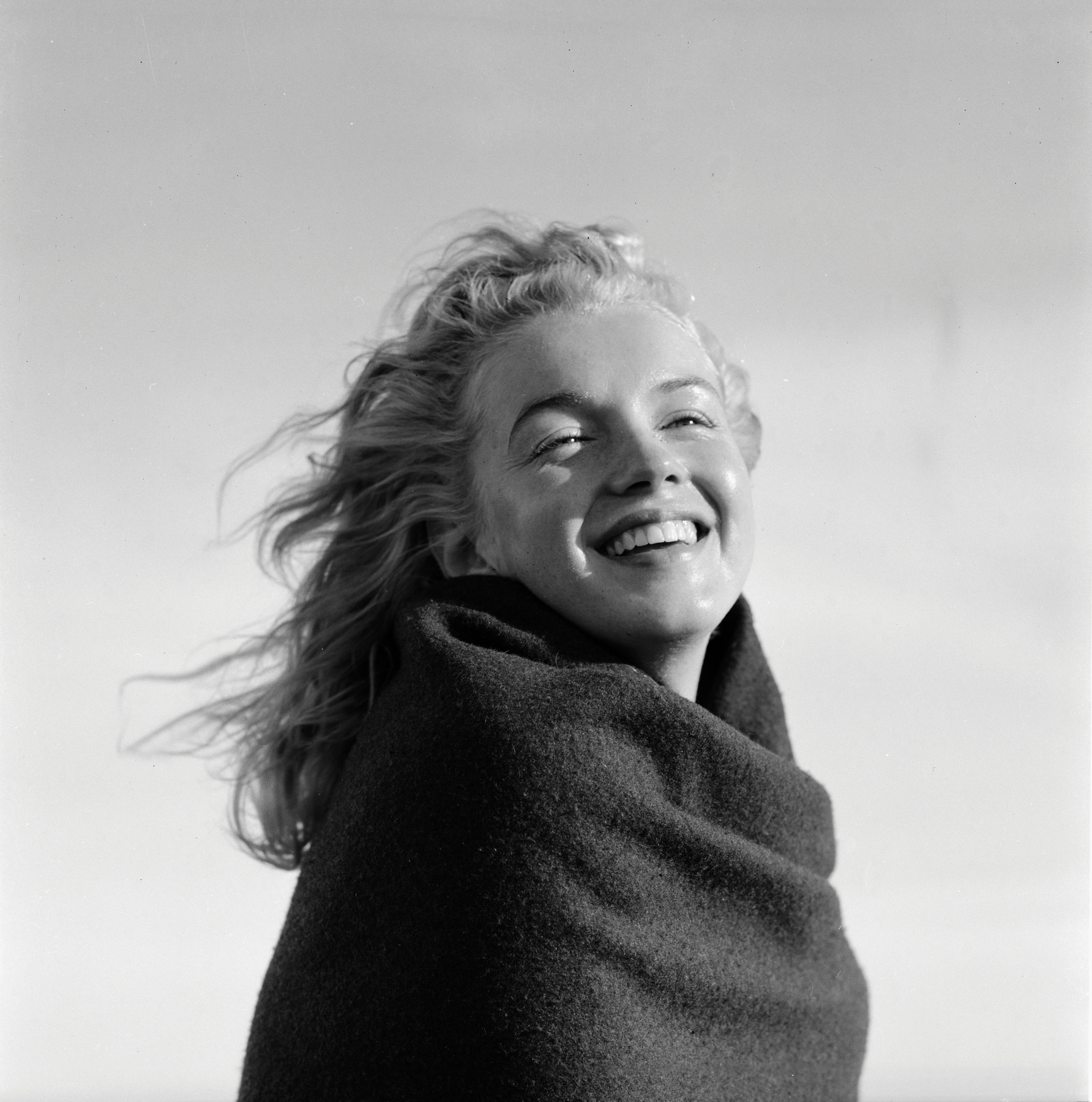
Monroe created and honed her own public image and welcomed the creativity of her collaborators, while privately devoting herself to self-improvement. Her friend, the singer Ella Fitzgerald, noted that Monroe was “ahead of her time”.
She read widely, studied her craft, engaged with political issues and challenged the systems of 1950s Hollywood and society. She acknowledged the importance of her loyal fans above all else. “If I am a star,” Monroe observed at the end of her life, “the people made me a star. No studio, no person, but the people did.”
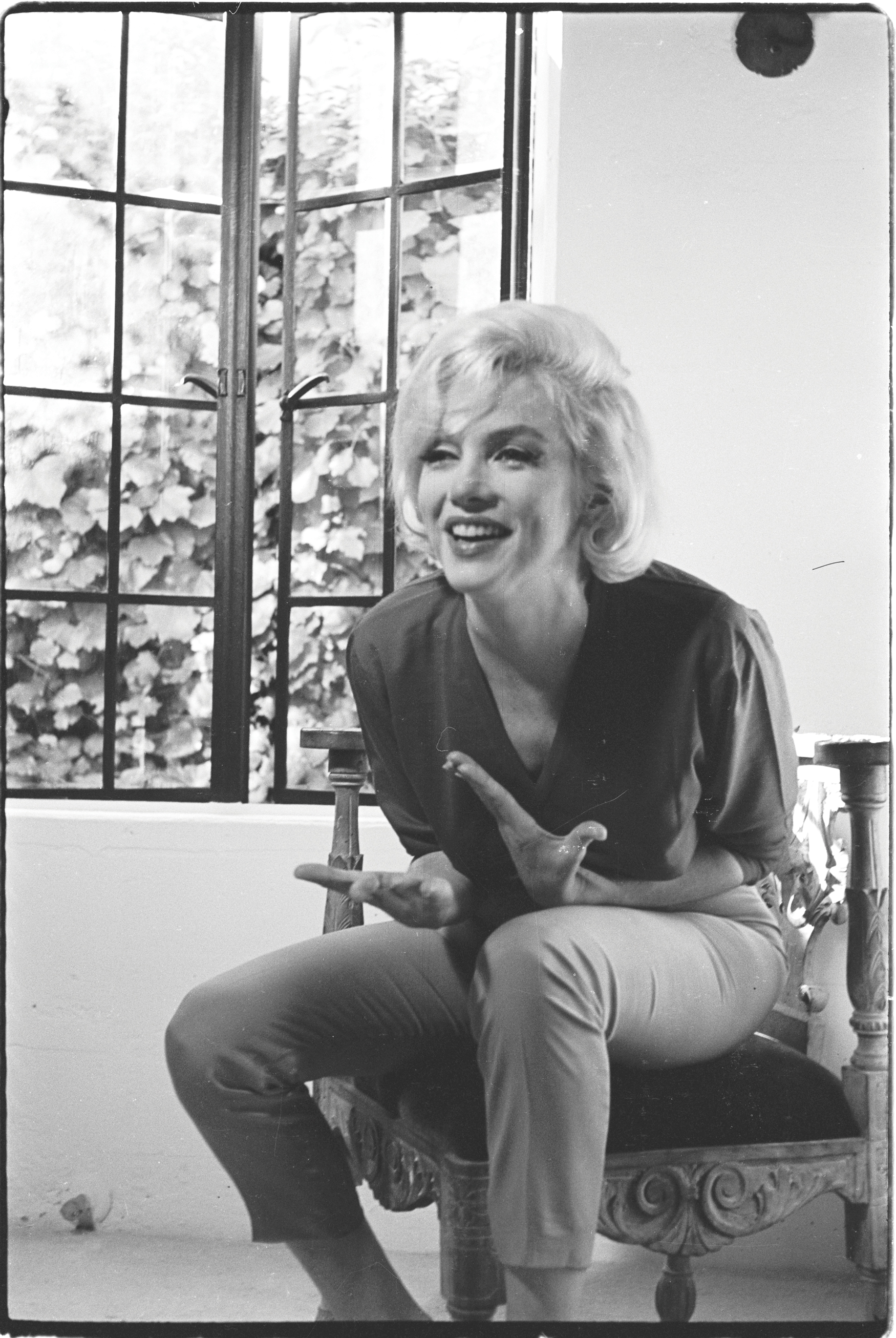
What I most want visitors to understand is the extent to which Monroe was an active participant in making her own image. Eve Arnold, who photographed her on numerous occasions, described her as unrivalled as a photographic subject. She said: “I never knew anyone who came even close to Marilyn in natural ability to use both photographer and still camera.”
Richard Avedon recalled that Monroe would pore over contact sheets for hours, always looking for what she called an “honest” picture. She not only performed but directed sessions and claimed the right to veto images she did not like. This creative control stood in stark contrast to her experience on film sets, where she often felt powerless, despite generating vast profits for her studio.