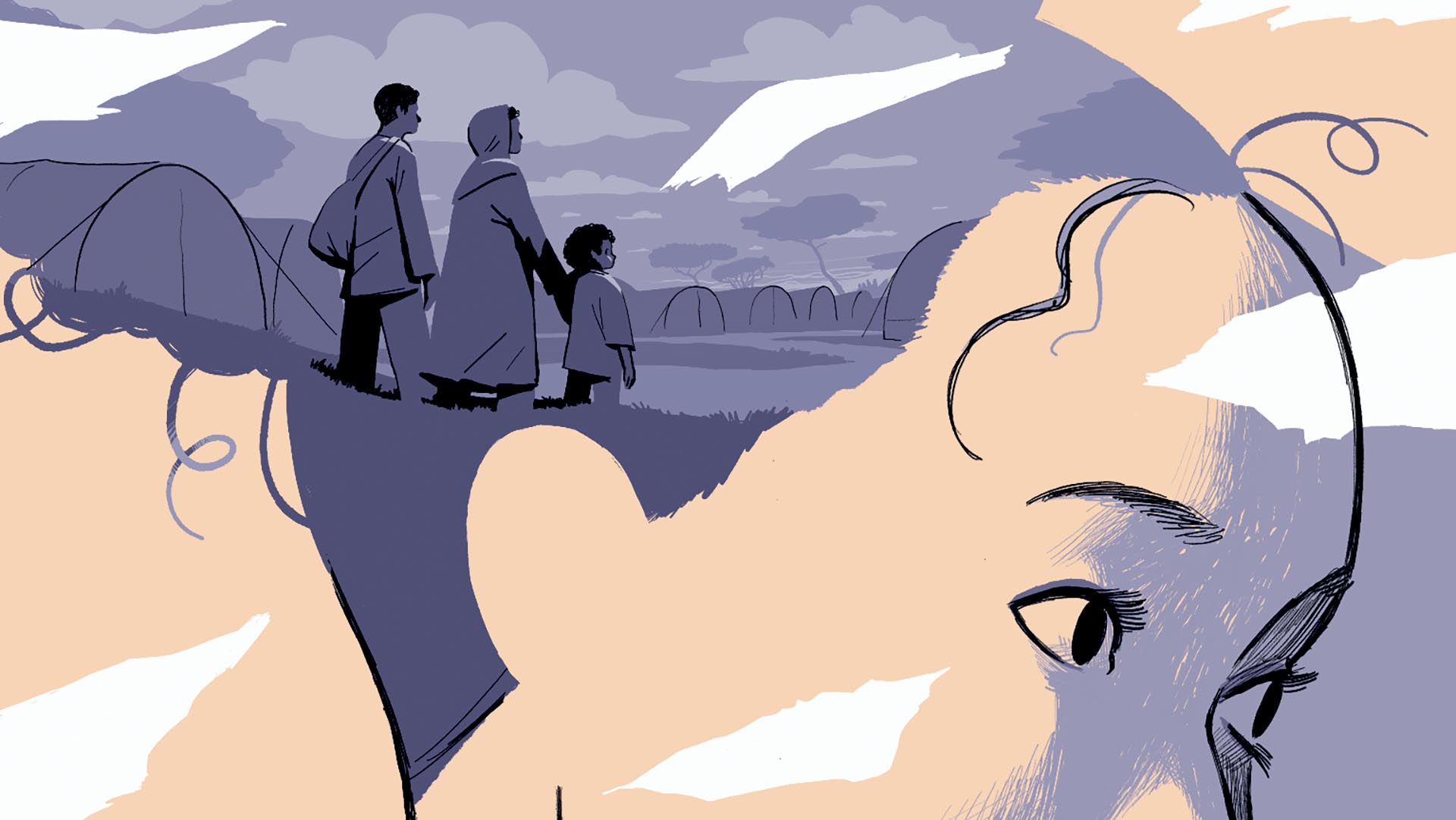
It made me understand my parents in a new light: not just as the people they had been in the past, but the ways in which it shaped who they are in the present. I understood where their dark sense of humour had come from, their strength and resilience, and, most importantly, why they continue to hold on to the hope that tomorrow will be a better day.
I also learned a second shocking revelation after I had begun work on the book: that my mother and I had been separated for a year when she was deported. This was both a revelation about our family and our family’s history, but also threw memories of my childhood into sharp relief.
I remembered when I was around nine years old, I’d woken up at the break of dawn and found an empty space where my cousin, who was at mine for a sleepover, had been. I panicked. I spent the next few hours looking for her in our small flat while my parents slept.
Keep reading the journalism that powers our mission
Register free to continue and learn more about the stories, campaigns and the support we provide, helping people facing poverty across the UK.
I had searched the same place; under the couch or bed, in the kitchen cupboards, or out in the landing, in some desperate hope that she would magically reappear. My aunt had taken her home when I was asleep, I was later told. I had so desperately wanted her to be with me.
I finally understood why I had been so desperate then and in other similar moments in my life. Those events in my early childhood had long reverberations for me, too. I couldn’t access all the memories I’d repressed, but going to therapy allowed me a safe space to imagine myself back there.
As a journalist, I have always been drawn to stories about displacement: and I realised that, however unconsciously, this was for a personal reason as well as a political one.
Advertising helps fund Big Issue’s mission to end poverty
When I heard the young girl on the radio talking about Trump’s ‘zero tolerance’ policy, I was overcome with emotion – her story mirrored that of mine and my mum’s, but my mum and I had been lucky enough to be reunited.
Today my parents and I are closer than ever; but it has been a long journey, both literal and emotional, to understand and uncover everything that we went through as a family.
Writing my book has taught me so much about my family history and myself; and becoming a mother myself in the last year has deepened my understanding too.
When I look at my child, I can’t imagine the pain of being taken from him, but I know I’d do just about anything to be reunited with him.
I hope to use the revelations I learnt and the experience of writing Scattered in my reporting going forward. I want to better understand and report on what unaccompanied refugee children experience in the UK and Europe; and the lifelong impact being separated from your parents continues to have on children.
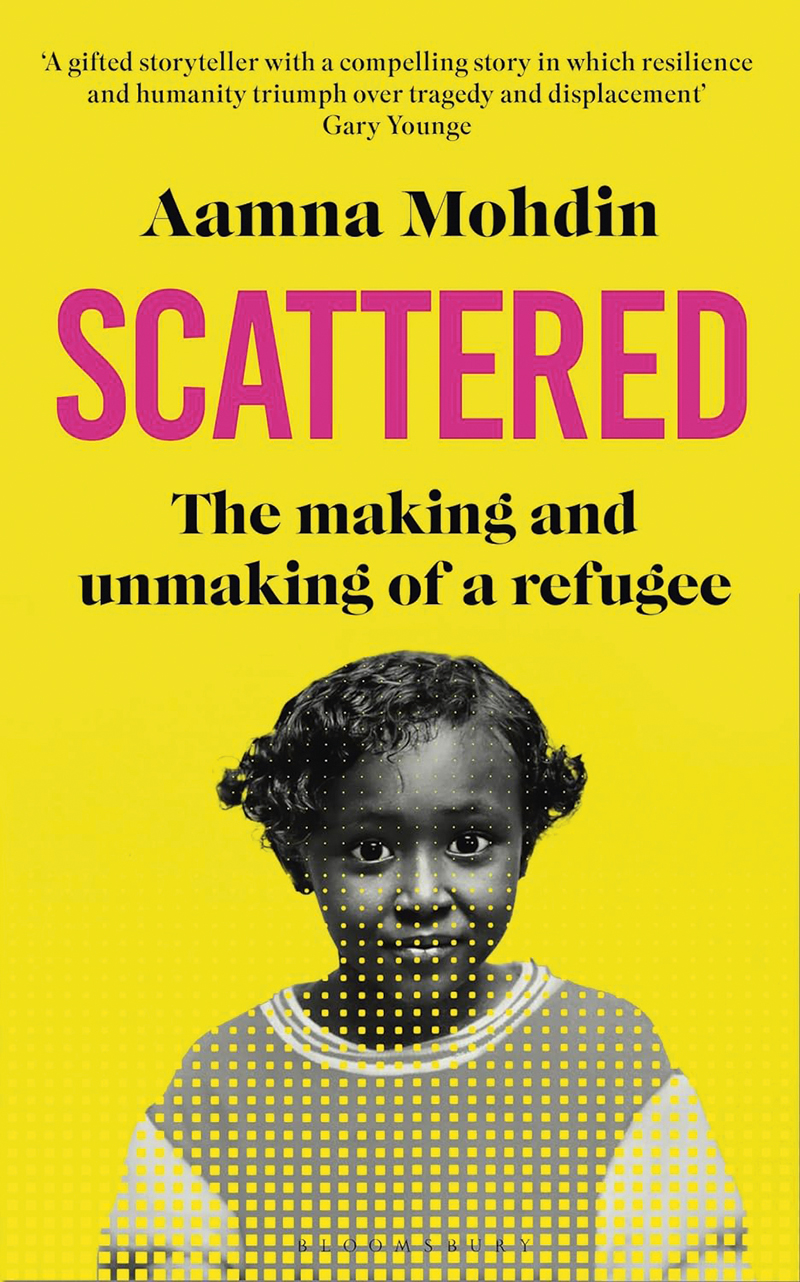
Scattered by Aamna Mohdin is out now (Bloomsbury, £18.99). You can buy it from The Big Issue shop on Bookshop.org, which helps to support The Big Issue and independent bookshops.
Advertising helps fund Big Issue’s mission to end poverty
Do you have a story to tell or opinions to share about this? Get in touch and tell us more. Big Issue exists to give homeless and marginalised people the opportunity to earn an income. To support our work buy a copy of the magazine or get the app from the App Store or Google Play.