In fact, fungi are a vital part of every ecosystem, and without their ability to release nutrients when they break down dead plants and animals, we would have barely any soil or plant life, causing the food chain to collapse and meaning there would be no food for anyone, humans included.
But fungi do so much more for humans than meets the eye. Fungi form a key part of the human microbiome – the collection of microbes that live on and in our bodies, and how they interact with other organisms within our microbiomes influences wellbeing.
For thousands of years, fungi have been used as medicines and in traditional spiritual practices, and more recently fungal compounds form the basis of antibiotics used to treat a range of ailments, such as statins used to regulate cholesterol. Even now, scientists are working on cures for mental health conditions and diseases such as cancer and Parkinson’s disease using fungal compounds.
Continue reading for free
Registration is free and takes less than 30 seconds.
Our supporters make Big Issue’s work possible. Join us to see the impact we’re having together and discover more ways to help people facing poverty access income, opportunity and support.
Fungi also play a huge role in our day-to-day lives. They are used to make cheese, beer, wine, bread and other shopping basket essentials and provide alternatives to meat, leather, building materials and produce natural dyes. Indeed, fungi have a long history of use by humans, and mushrooms have featured in art, folklore, music and rituals for thousands of years.
Other organisms also rely on fungi to survive, such as the red cockaded woodpecker, which relies on a fungus to soften and hollow a nest hole in the longleaf pine, and Atta ants and Termitomyces termites, who have been farming fungus gardens for millions of years.
Humans too have been cultivating edible mushrooms for hundreds of years, and Fungi explains how these mushrooms are cultivated commercially, and even how to grow your own mushrooms at home!
Advertising helps fund Big Issue’s mission to end poverty
However, not all of our interactions with fungi are positive, and some fungi can be destructive, dangerous or even downright deadly. In the balmy Caribbean Sea, beautiful coral reefs are left decimated by bleaching; in the caves of North America, millions of hibernating bats have succumbed to white-nose syndrome and in the tropical rainforests of South America, carpenter ants are being turned into zombies, and ultimately killed, all as a result of fungal infections.
Some fungi even attack each other, undergoing territorial battles to gain access to food and nutrients.
Climate change has had a huge impact on fungi, and many fungi are producing fruit bodies later or earlier in the year than usual. This and humans’ global trade in plants and animals has allowed invasive species of fungi to spread to other parts of the world, wreaking havoc on plants and wildlife.
On the flip side, some fungal species are now threatened with extinction due to habitat loss, caused by climate change and human interference. Fungi explores all of these relationships and highlights the vital role that fungi play in our lives, and in sustaining our planet.
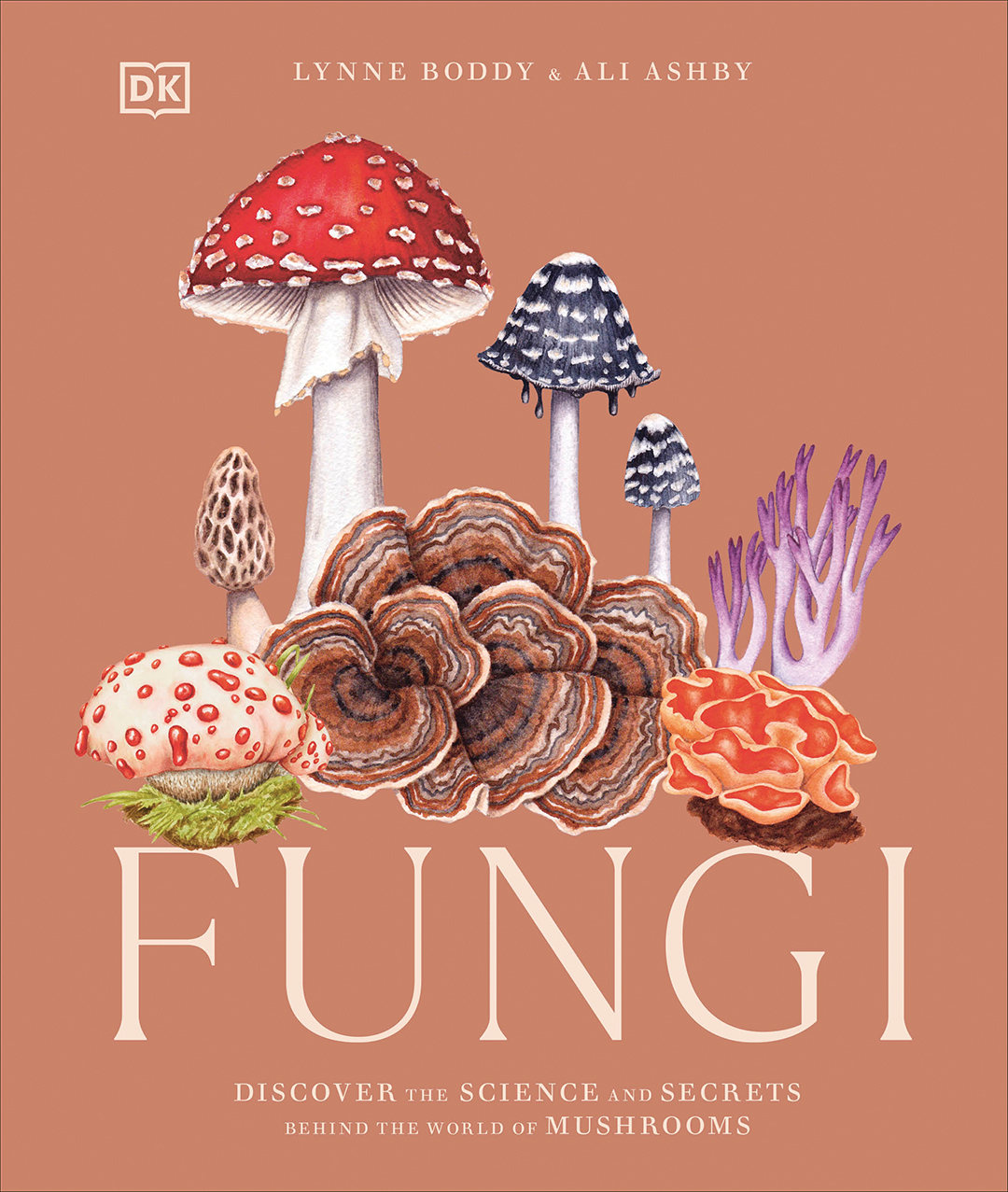
Fungi: Discover the Science and Secrets Behind the World of Mushrooms by Lynne Boddy and Ali Ashby is out now (Dorling Kindersley, £25). You can buy it from The Big Issue shop on Bookshop.org, which helps to support The Big Issue and independent bookshops.
This article is taken from The Big Issue magazine, which exists to give homeless, long-term unemployed and marginalised people the opportunity to earn an income. To support our work buy a copy!
Advertising helps fund Big Issue’s mission to end poverty
If you cannot reach your local vendor, you can still click HERE to subscribe to The Big Issue today. Or give a gift subscription to a friend or family member.
You can also purchase one-off issues from The Big Issue Shop or The Big Issue app, available now from the App Store or Google Play