Humans have an urge to explore the limits of the physical world and of their own endurance and ability. No one can climb higher than Mount Everest (8,849 metres) but there are still greater depths waiting to be plumbed underground. The deepest anyone has descended into a natural cave is 2,212 metres below the entrance in the case of the Veryovkina Cave in the Abkhazia region of Georgia. Some mines though go much further down. Workers at the Mponeng gold mine in South Africa have to descend in stages for more than an hour to get to the bottom, at a depth of four kilometres – 10 times the height of the Empire State Building. Bore holes have been drilled deeper still.
In 1970, the Soviet Union started a project to penetrate Earth’s crust further than anyone had before. Two decades later, the Kola Superdeep Borehole reached an incredible 12,282 metres below the surface – still the deepest artificial point on the planet.
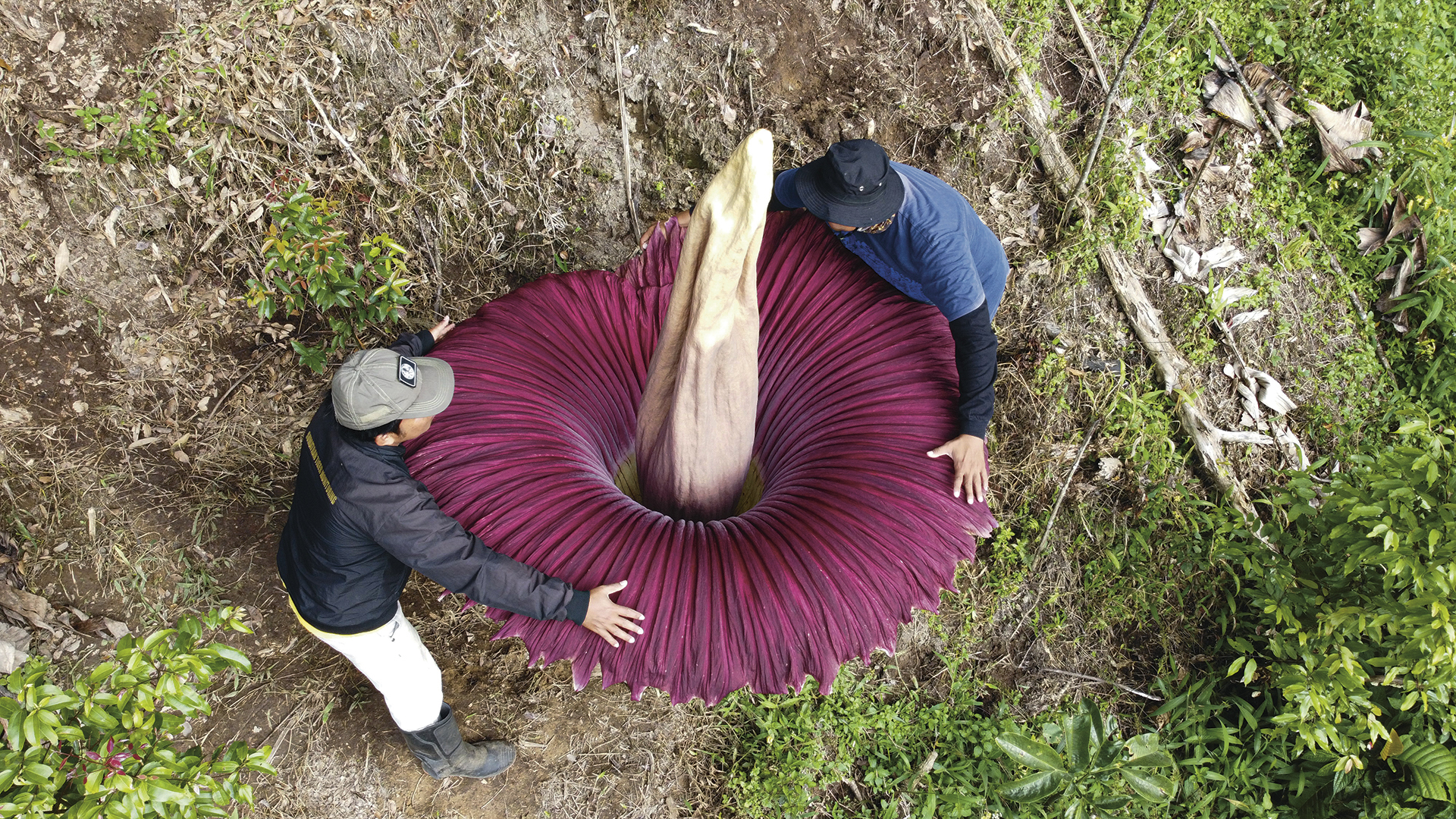
Some extremes are notable for being obnoxious. One of the worst smells in the world is that given off by the largest flower. Once every five to 10 years, the titan arum blooms, producing a single flower up to three metres tall – and everyone who comes close knows about it. Not for nothing does this spectacular plant earn its alternative name, the corpse flower.
Continue reading for free
Registration is free and takes less than 30 seconds.
Our supporters make Big Issue’s work possible. Join us to see the impact we’re having together and discover more ways to help people facing poverty access income, opportunity and support.
Of all substances, though, one is repeatedly cited as being the foulest smelling in existence. Thioacetone is an orangey-brown, sulphur-containing liquid. Two German chemists were the first to distil it in 1889, but their efforts in the city of Freiberg were followed by cases of nausea, vomiting and collapse within a three-quarter-kilometre radius of the laboratory due purely to the smell, even though only a small quantity was involved.
In 1967, researchers at the Esso Research Station in Abingdon, Oxfordshire, described their experience following the accidental release of a small amount of thioacetone. A stopper from a bottle containing the substance came loose and, although it was quickly replaced, the damage was done. The minute quantity of vapour released into the atmosphere quickly led to cases of nausea and sickness in a building 180 metres away.
An Esso article on the incident reported on the fallout: “Two of our chemists who had done no more than investigate the cracking of minute amounts of thioacetone found themselves the object of hostile stares in a restaurant and suffered the humiliation of having a waitress spray the area around them with a deodorant.”
Advertising helps fund Big Issue’s mission to end poverty
We love hearing about new extremes even if we don’t necessarily want to experience them first-hand. Fortunately, we live at a time when records are being broken on an almost weekly basis – everything from new superlatives in space to extraordinary human achievements here on Earth.
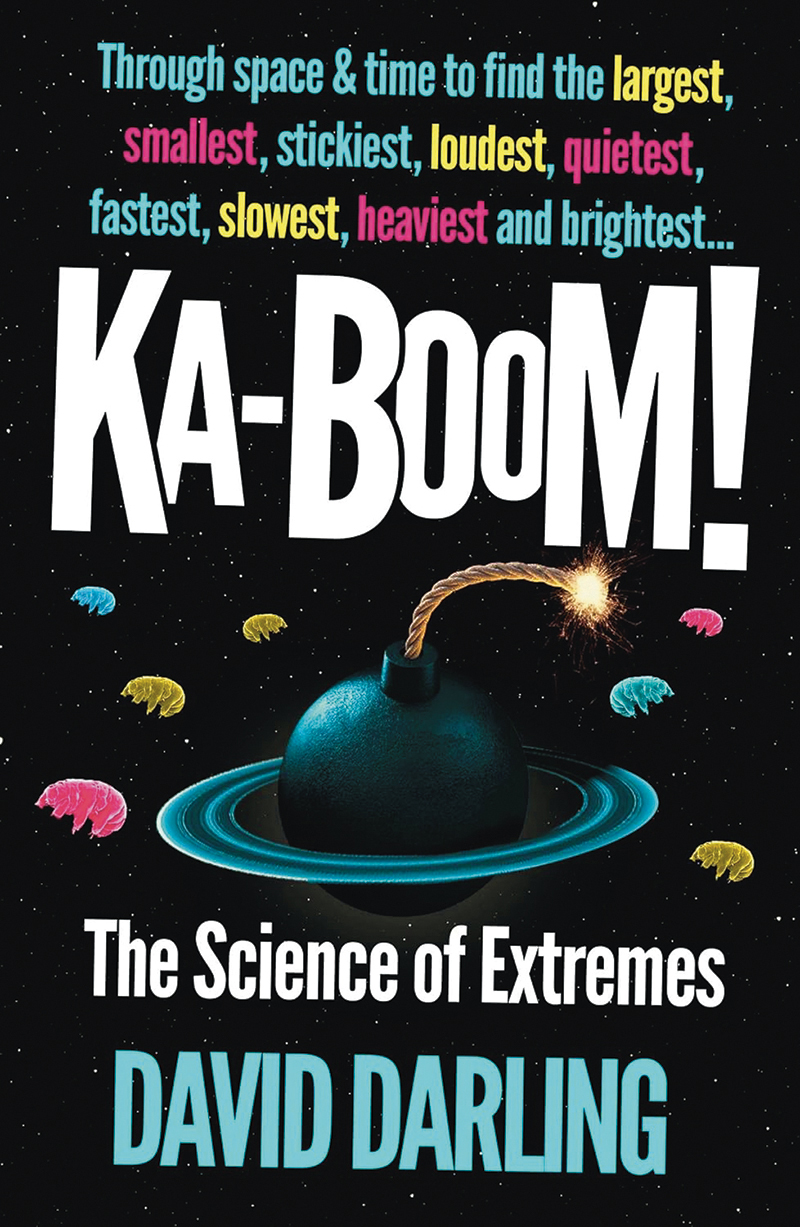
Ka-Boom! The Science of Extremes by David Darling is out now (Oneworld, £10.99). You can buy it from The Big Issue shop on Bookshop.org, which helps to support The Big Issue and independent bookshops.
This article is taken from The Big Issue magazine, which exists to give homeless, long-term unemployed and marginalised people the opportunity to earn an income. To support our work buy a copy!
If you cannot reach your local vendor, you can still click HERE to subscribe to The Big Issue today or give a gift subscription to a friend or family member.
You can also purchase one-off issues from The Big Issue Shop or The Big Issue app, available now from the App Store or Google Play