Half (51%) of fashion creatives in the UK are earning less than £30,000 a year before tax, according to research from Bectu, the union for workers in the creative industries. Eight in 10 (79%) have felt pressured to work for no pay.
Fashion UK was formed in 2023 as a branch of union Bectu, the first in the country to represent non-performing fashion creatives. Head of Bectu Philippa Childs said: “The fashion industry clearly has a culture problem, with workers routinely facing long working hours, low pay and unreasonable demands.
“There is also an expectation that people will work for free on occasion and in some of the cases that we have been involved in, members have experienced bullying and harassment. These should not be prerequisites for ‘making it’ in any industry.”
Keep reading the journalism that powers our mission
Register free to continue and learn more about the stories, campaigns and the support we provide, helping people facing poverty across the UK.
‘I’ve never been paid for an internship’
Eddy, a fashion graduate in his early 20s whose name has been changed to protect his identity, has carried out several unpaid internships in the sector.
“I’ve never been paid for an internship. Sometimes you’re doing more work than the creative directors, stylists and designers. You’re doing the tough shit which they don’t want to do,” Eddy says.
“I wouldn’t have a problem with half these things if I was paid. If I was to become prime minister, one of the first things I would do would be to stop the exploitation of interns. It is vile.”
Advertising helps fund Big Issue’s mission to end poverty
The government stopped short of an outright ban on unpaid internships in its Employment Rights Act, which recently came into law, but interns must be paid at least the national minimum wage if they are performing duties that qualify them as ‘workers’ under employment law.
Eddy has missed shifts at his hospitality job to take unpaid opportunities in fashion. “You’re losing money because you’re travelling there. If you’re working for a stylist or designer, you’re doing pick-ups and drop-offs. You might get them a coffee, and it’s coming out of your bank account,” Eddy says.
Eddy’s dream is to be a designer, and he loves so much of the industry – but as a northerner from a working-class background, he says he has experienced classism.
“I once did an internship where they would take the piss out of my accent. As much as it was a joke, it was getting to the point that it was insinuating class. When I’ve been doing internships or work experience, I will put on a bit more of a posh accent.”
Read more:
On paper, the fashion industry has become a more welcoming place for people from marginalised backgrounds. But Eddy believes “racism, homophobia and sexism” are still present.
Advertising helps fund Big Issue’s mission to end poverty
Daniel Peters has worked in the industry for almost 20 years. As a black man who came from a single-parent working-class household in South London, he found that “opportunities to get into fashion aren’t always so bright and shiny as they can be for people from more privileged backgrounds”.
He started Fashion Minority Report, which bridges gaps for people from marginalised backgrounds in fashion.
“The fashion industry can be exploitative. In some [unpaid] internships, people aren’t given any money for travel, transport or lunch. Then they’re having to work countless hours,” Peters says.
“They’re then probably having to take a secondary job so that they can afford to live.”
A fashion buyer who runs the Instagram account, @LifeOfABuyer, which has 35,000 followers, says that some fashion bosses are “worse” than Priestly, particularly men.
Around 80% of Fashion UK members are women – but figures from Not Just a Label show that only 14% of the top 50 major fashion brands are run by women.
Advertising helps fund Big Issue’s mission to end poverty
Another creative with almost 20 years in the industry, Silva, says she experienced “bullying”, “harassment” and “name-calling”. She claims that one male boss made a derogatory comment while she was pregnant. Silva, who reached management level, claims she witnessed “horrible” behaviour towards colleagues – including comments about their size, race and age. She is neurodivergent and has dyslexia and ADHD, and she believes this contributed to workplace “bullying” she has experienced.
Silva is much happier now. She has founded her own small business and teaches at a fashion college, encouraging students to be “honest” about workplace experiences.
“I would never want anyone to go through what I had to go through,” she says.
‘The stress radiates onto you’
The vast majority (83%) of fashion creatives surveyed by Bectu said that behaviours that would be considered “toxic in public life” are often tolerated in the fashion industry.
Jessie is a graduate designer who currently works in commercial fashion. During the run-up to London Fashion Week, Jessie worked from 9am until 3am and was then back to work at 6am the next day for the show. At another workplace, Jessie claims the boss referred to her interns as “mice”.
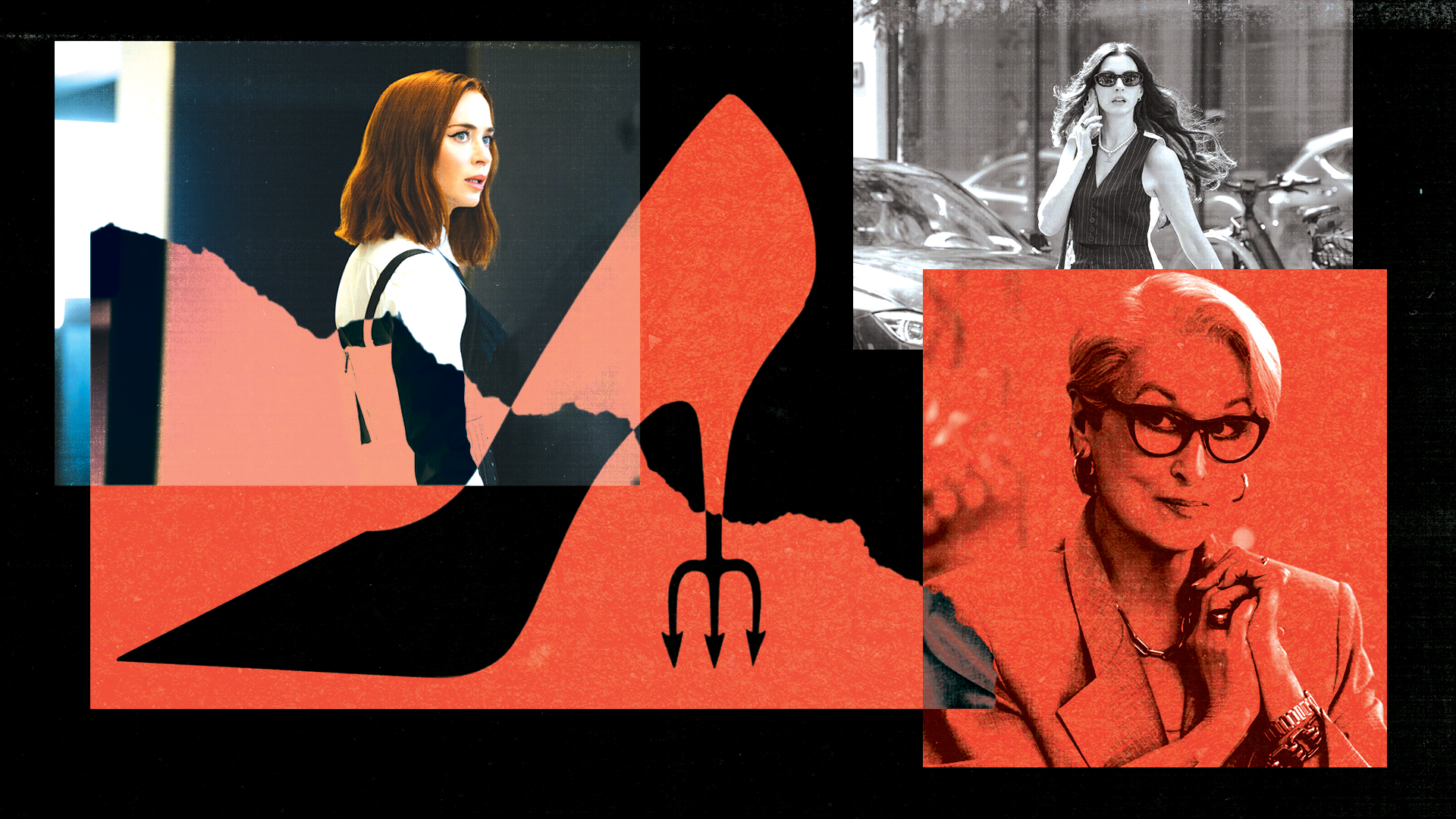
So does The Devil Wears Prada glamorise this toxic behaviour?
Advertising helps fund Big Issue’s mission to end poverty
Eddy says it is one of his favourite films, but adds: “It’s like they believe that you should be treated like that or they want to be like Miranda Priestly. If you treat your intern like shit, it’s seen as a boss-bitch move when you’re just an awful person.”
More than seven in 10 fashion creatives say they have experienced mental health struggles in the past year, and three in five (59%) say that their work has negatively impacted their personal relationships.
Just one in 10 workers feels secure in their job, and only 14% are paid on time for their work, according to Bectu.
“Union organising in the fashion industry is a recent development, but Bectu has a long history of fighting for better terms and conditions in other parts of the creative industries like film, TV and theatre,” says Childs. “The more people who join, the more influence we can have on employers and make fashion worth working in.”
Peters believes that there has been some positive change, particularly since the pandemic, which has meant people feel they have “more of a voice to speak up and openly about the problems they face”.
“A lot more companies have a deeper understanding of mental health and physical wellbeing. We have more in place to make sure employees have support. Things around gender pay gap have improved,” Peters says.
Advertising helps fund Big Issue’s mission to end poverty
“Brands and businesses are having to put out more information about what their culture is like, because they want to attract people. There’s been a shift in the culture to some degree, and I think it’s moving in a positive direction. We are by no means there yet, but we’re working towards better standards.”
Bectu is the union for creative ambition
Do you have a story to tell or opinions to share about this? Get in touch and tell us more.
Change a vendor’s life.
Buy from your local Big Issue vendor every week – and always take the magazine. It’s how vendors earn with dignity and move forward.
You can also support online:
Subscribe to the magazine or support our work with a monthly gift. Your support helps vendors earn, learn and thrive while strengthening our frontline services.
Advertising helps fund Big Issue’s mission to end poverty