Chris Robinson was born in December 1966 in Atlanta, Georgia. He formed the band Mr Crowe’s Garden with younger brother Rich in 1984 while they were both at high school. In 1989, they signed a record deal with Def American and changed their name to The Black Crowes.
Debut album Shake Your Money Maker followed the year after and, thanks to hits including their cover of Otis Redding’s Hard To Handle, went on to sell five million copies. A succession of hit albums, break-ups and reunions followed over the years. They recently announced their 10th studio album, A Pound Of Feathers, out on 13 March.
In his Letter to My Younger Self, Crowe recalls teenage enthusiasms and his relationships with his family.
By the time I’m 16, I am starting to develop a certain aesthetic revolving around beat literature and beat poetry. I’m starting to like Baudelaire, Rimbaud, so there’s a certain whiff of decadence in the air in my own suburban existence. I’m moving away from only listening to the black radio station in Atlanta, which was V-103, so Prince, Parliament, Funkadelic and stuff. My taste is moving towards punk and indie rock. So that time was really the burgeoning of a counterculture character in me. I was leaving my parents’ world behind for good.
I looked pretty goofy I guess. Trying hard to look cool. Back then I was really, really skinny, and by the time I was 16, I started to be tall. We would buy jeans and put safety pins in them and buy wingtip shoes in thrift stores. My favorite punk band was X from Los Angeles. So it was easy to get one of my dad’s giant white T-shirts when he wasn’t looking and get a black magic marker and put an X on it. My look would change a lot too. I would go from ripped jeans and a T-shirt to an Argyle sweater. There were 3,000 kids in my school. Anything that looked different from everyone else made you instantly a target for an ignorant bully. But I was kind of tough. I wasn’t afraid to stand up for myself. And it was one of those schools where you had to really navigate what time of day and what hallway you use, because you didn’t want to get the shit kicked out of you by some rednecks.
Advertising helps fund Big Issue’s mission to end poverty
Advertising helps fund Big Issue’s mission to end poverty
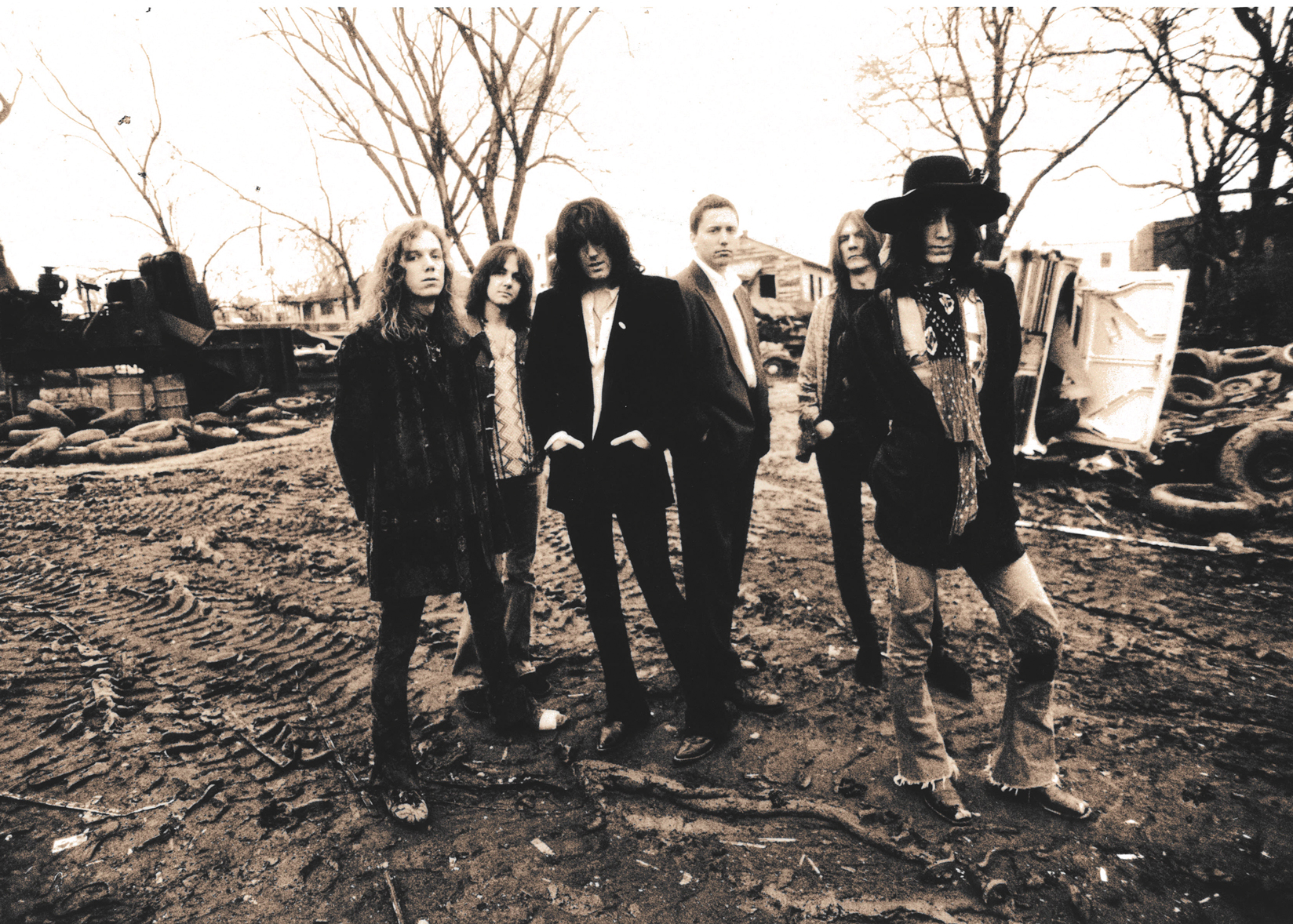
1992: The Black Crowes photographed for the release of TheSouthern Harmony andMusical Companion. Image: The Black Crowes
My mom and dad did the best they could. We’re middle-class people. My mom realised early on that I was neuro challenged with dyslexia and did everything she could to help. I went to extra school. When other kids went home after school, I went to another school, but that really helped me learn to read. By 16 my literary interests and ambitions are taking off, and I’m starting to write poems. But the more I became myself, the more it kind of freaked out my dad, because he was a sort of archetypal macho southern male guy. When I told him I was dropping out of school to be a musician, to be in a band, he was like, you’re talentless. His actual southern colloquialism was you can’t carry a tune from the well to the house in a fucking bucket. By the time I was 16 the arrow was pointing towards the door. I would always love my parents and appreciate them, but they didn’t really understand the outsider in me or the weird, freaky kid in me.
At 16, my brother [future Black Crowes bandmate Rich Robinson] and I were living in separate worlds. I was older, and I ran around with an older crowd. By 16, I had already started drinking on the weekends, and Rich was still with his group of friends from the neighbourhood or school. I had a friend, Doug Allen, one of the only kids at my high school who liked REM. We were into that college radio scene, and I had just started to find out about the Paisley underground bands in LA and we loved The Byrds, Bob Dylan, Buffalo Springfield, The Velvet Underground. Doug had a Fender Strat, like Bob Dylan had. And so I was like, let’s come over. I wanted to get into music so bad.
We met a kid down the street who was a really good musician. And my cousin got a drum kit. So we all got together. We were in my parents’ basement, and I invited everyone over from school. Then my brother, who had a guitar, came downstairs and plopped his amp out, and I was like, I didn’t really invite you to this. Which was funny, but it didn’t really matter. He just started chiming in, and it was horrible. But the funny thing is that was still exciting. My excitement and my interest levels were really piqued. We moved beyond just being brothers who live in a house together and fight. I was really really, horribly mean to my brother sometimes. Let’s just use the word cruel. But this was forming into something else, step by step; little by little.
I think I had a wild glint in my eye as a teenager. I know I was charming enough to manipulate situations, especially with adults, teachers. But I think I was also a young man who was just starting to find the courage to embrace his wanderlust. I think all the cinema I was interested in, my musical heroes, my literary heroes, they were all demanding me to get out in the world and leave my home and everything I knew behind, because ultimately, there would be great adventure and inspiration in my travels. But maybe you would just see some angry, snotty, suburban youth who thought that he knew more than he did.
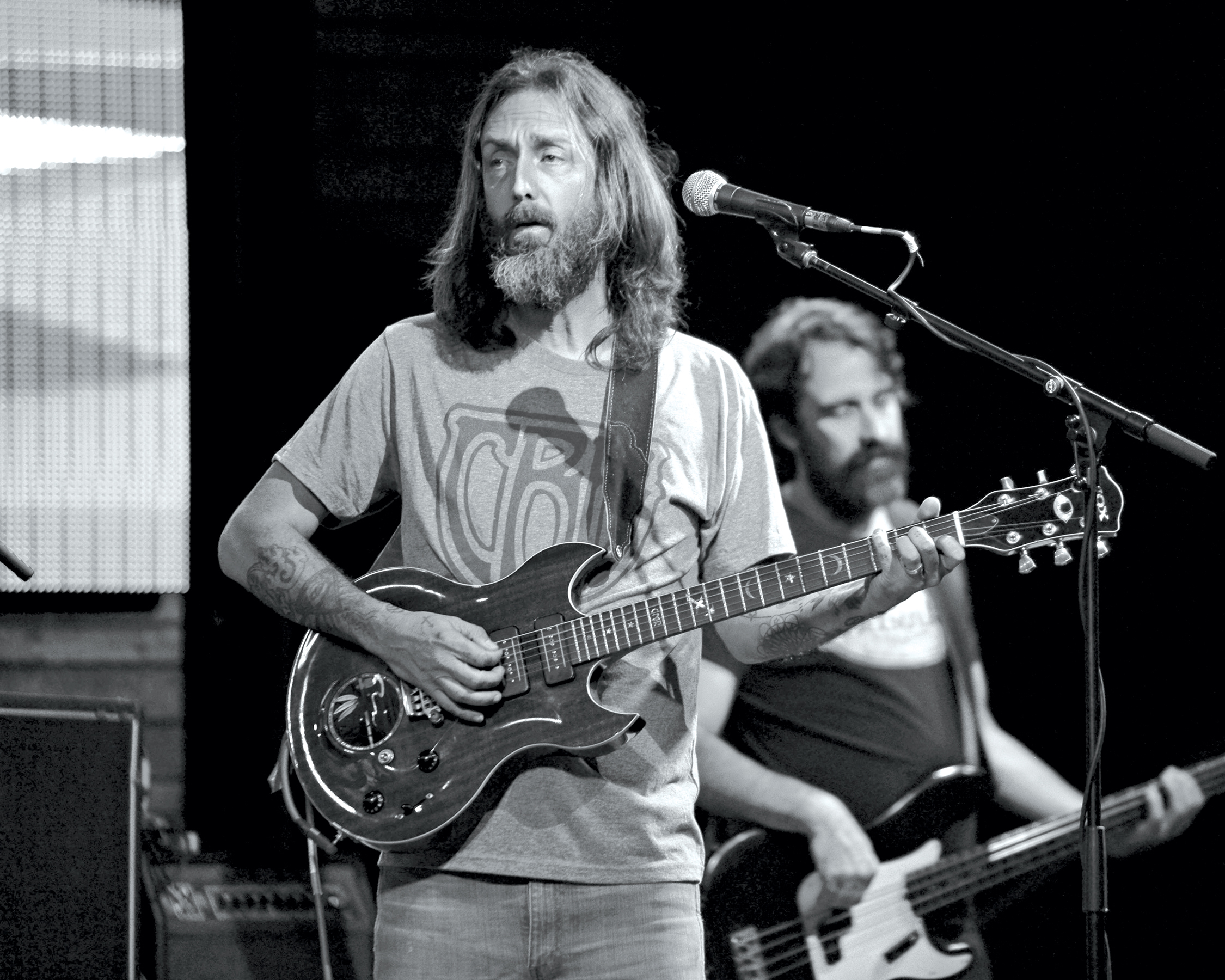
2016:Performing with Chris Robinson Brotherhood at Fort Lauderdale, Florida. Image: SMG / Shutterstock
I’ve been doing this for over 40 years, that’s a lot of fucking time on doing the old song and dance. I would love to have been in one of those bands that had the same guys all the way, but it just didn’t turn out like that [the band has regularly changed the line-up]. Our lives went from some anonymous local band with one suitcase with a couple of shirts in it, to all of us having lots of money and yeah, that was pressure. Drugs didn’t help, people’s relationship with chemicals, alcohol and drugs. Rich and I started this band at mom and dad’s house. We’ve written every song. We’ve had people come into the band, but the reality is, they didn’t write the material, and the material is the fuel. They weren’t the mouthpiece. But I get it, people’s egos, everyone wants to be important. And it was hard when the albums stopped selling, and maybe the tours were getting a little harder in terms of financial guarantees. So where does the blame lie? In my lap. So now it’s about their money and blah, blah, blah. It’s easy to sit back from far away and say, fuck that guy.
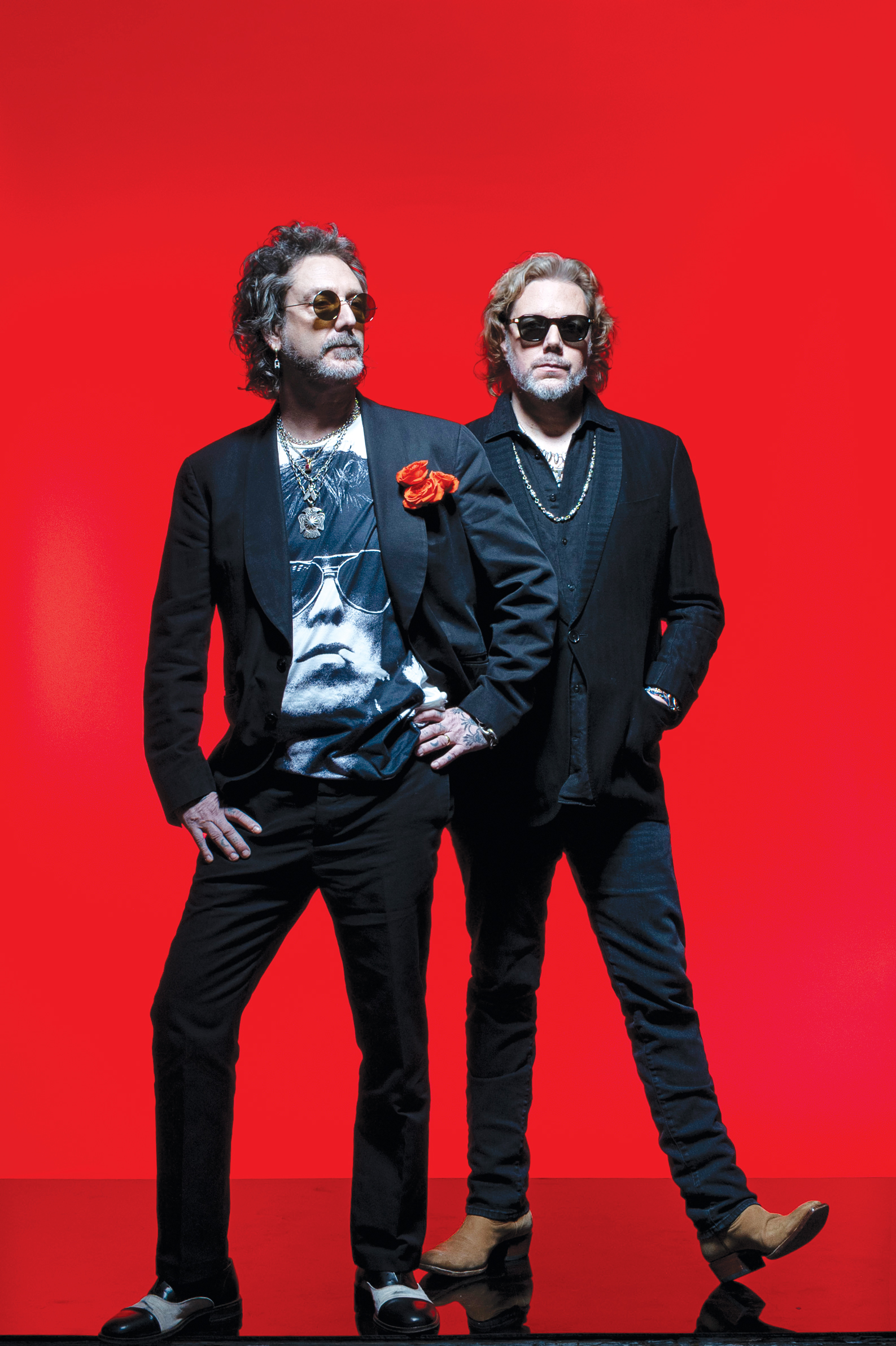
2026: With brother Rich. Image: Ross Halfin
Rich and I made the last album. [2024’s Happiness Bastards – their first studio album in 15 years.] We communicate. I have to give my wife ultimate credit for bringing my attitude around quite a bit. And if I spent time wrapped up in whatever sort of negativity that I was in, I would project that into how I’m perceiving my relationship with Rich, how I’m perceiving the legacy of The Black Crowes. I always say, when Rich and I sit down in a room and we write songs, we get on like a house on fire. It was when we took those songs into the studio and then on tour we would start to get on each other’s nerves. But I see how special my brother is. I see how uniquely talented in a world of fucking talented people, in a sea of incredible, visionary artists and soulful entities, my brother is very unique and very special.
If I could have one last conversation with anyone I guess it would be my dad. I was estranged from my dad. We loved each other, but we weren’t close. And it was very poignant, and we were very lucky that Rich and I were there with my mom when he passed. I don’t know if he knew we were there. I have a feeling that he did. But if I could just get in his ear one more time I’d say, you know I love you, I know you did the best. I know I wasn’t easy.
If I could go back to any time in my life it would probably be when my kids were younger. I have the unfortunate reality that both of my kids are with two different women, and that both of those relationships ended when my kids were still young, even though they’re 16 and 22 now. And we have a great relationship, and I love them dearly, but maybe some of those funny moments when they were kids, I would like to have been able to stretch that out a little more and just enjoy the goofy little monkeys running around that they were.
Buy from your local Big Issue vendor every week – and always take the magazine. It’s how vendors earn with dignity and how we fund our work to end poverty.