Dan Smith began writing songs in his bedroom at the age of 15. While studying at Leeds University for an English degree, he entered the Leeds Bright Young thing competition, and was a finalist. After graduating he moved to London where he formed Bastille with bandmates Chris Wood, Kyle Simmons, and Will Farquarson.
The band have released five studio albums, including their debut Bad Blood (2013), which reached number one in the UK charts, Wild World (2016) and Doom Days (2019). They’ve worked on numerous collaborations with the likes of Graham Coxon, Craig David and Moss Kena, while Smith worked on the Planet Earth III soundtrack with the legendary Hans Zimmer and has written songs with Myles Smith, Tom Grennan, James Arthur and many more…
In his Letter to My Younger Self, Smith recalls his awkward teen years when he kept his songwriting secret, the weirdness of early success and the thrill of being in a recording studio with musical legends.
This has forced me to think about where I was at 16. I was quite a shy, awkward, nerdy kid. And I was also quite big, so I was physically self-conscious, and had a busy mind but didn’t have the language to know what that meant. I would encourage my younger self to be a bit less hard on himself and a bit less self-loathing.
My big hero at the time was David Lynch. I was obsessed with Twin Peaks and Mulholland Drive blew my mind. I was drawn to the beauty of the cinematography and the churning oddness of the tone. My dream was to be a film journalist, or the fantasy version of that life, where I would watch back-to-back films all day then write about them. It seemed like the coolest thing in the world. But it also seemed a million miles away and totally inaccessible.
I was starting to write songs but had absolutely no ambition for them. I was very shy, so I was mortified at the idea that I’d ever perform them. And I wouldn’t let anyone hear them. I’d had piano lessons from this cool Irish piano teacher called Mary who would come around once a week. She saw I was never going to be a virtuoso because I was always distracted by trying to figure out songs by people I loved. But I’d grown up obsessing over stories and film so a life as a songwriter or being in a band would have been completely incomprehensible.
Advertising helps fund Big Issue’s mission to end poverty
Advertising helps fund Big Issue’s mission to end poverty
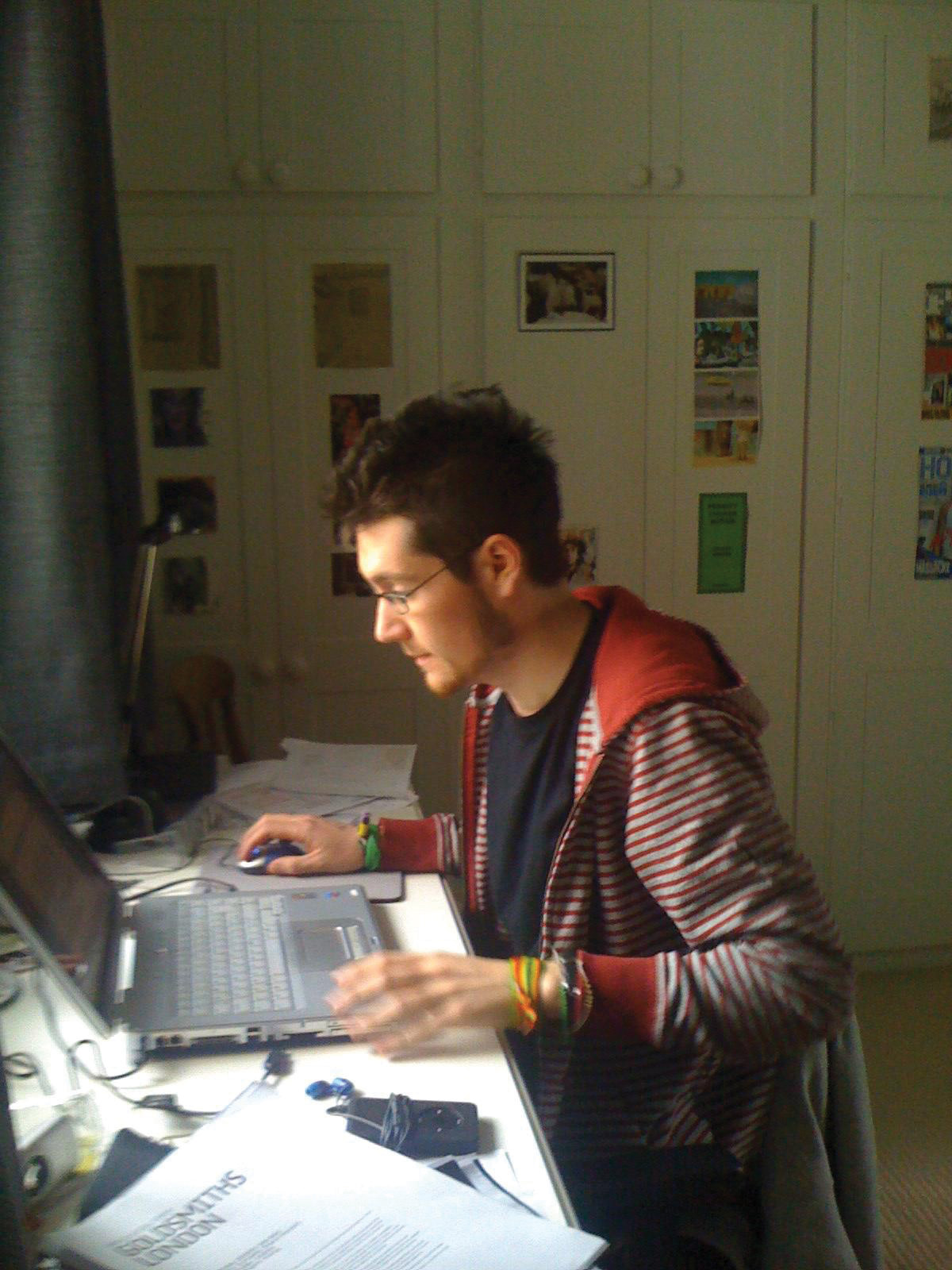
The early days of bedroom songwriting
I feel super lucky that I had a childhood where art was visible. My dad was obsessed with new artists, so we went to lots of galleries, took in lots of modern art that I didn’t understand and made me feel weird or uncomfortable. But I’m glad it’s something I was aware of as a kid. There’s an amazing organisation called Arts Emergency I work with now, a mentoring programme, and part of it is about spending time with a young person, to offer advice and talk about art as something important and real and a possibility.
My mum used to do loads of folk gigs. My parents are from South Africa, and when my mum was at uni in Durban, she would sing Joan Baez and Leonard Cohen covers. So although neither of my parents worked in the arts, the history of my mum as a folk singer who’d made it work to pay her way through uni was quite present in our lives. If their mates were around, my mum would get her guitar out and play Tapestry and all these amazing songs. That was the music we listened to in the house.
I used to listen to John Kennedy on XFM because I couldn’t sleep very well. It is where I discovered artists like Anohni and the Johnsons, Regina Spector and Damien Rice. A lot of the music my parents listened to resonated with me, the storytelling of Elton John and Crosby, Stills, Nash & Young, but with my mates, we’d listen to nu metal – which was probably less about what I actually enjoyed and more what I felt I should be enjoying.
Keep reading the journalism that powers our mission
Register free to continue and learn more about the stories, campaigns and the support we provide, helping people facing poverty across the UK.
Songwriting, books and films were all fictional worlds I would lose myself in. It was about escapism and getting away from my reality. I’m still quite uncomfortable as a performer and see myself more as a songwriter. So it’s interesting to look back at myself at 16 and see that I was just starting down the path of having to get up on stage, encouraged by friends, and that being nudged into it was a necessity.
In my third year at uni, my friends entered me into a Leeds City Council run initiative called Bright Young Things. About 12 artists from different genres got to play a show at a proper venue, spend a day in a recording studio, do a photo shoot and mini interview. My friends were in a band called Kid iD, and we used to go to all their shows. I lived with the singer, Ralph, and a few friends and they’d won it the year before. After quite a lot of drinks, I played them my demos and someone entered me into the competition. It forced me to reckon with doing a gig and face the reality of talking about these songs that were just a weird hobby of mine.
I was working at the bar in the Leeds Refectory, a Leeds music venue, and saw KT Tunstall playing and using her loop pedal. That triggered something in my mind. I’d been wondering how I could reenact these weird, sprawling, dark, narrative seven-minute pop songs as a live thing. Bright Young Things was an incredible opportunity, in terms of a local council supporting the arts, and had a profound effect on me.
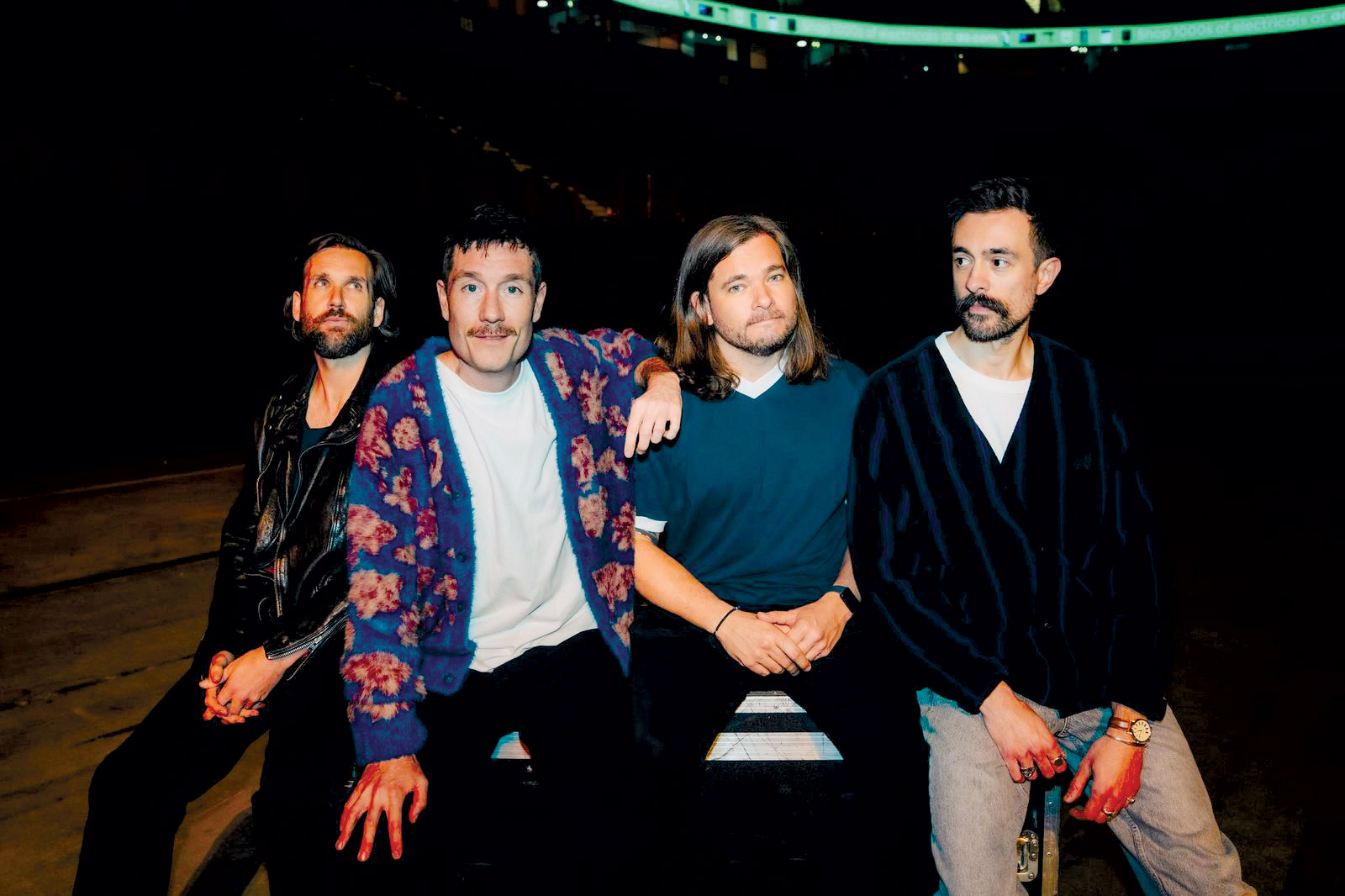
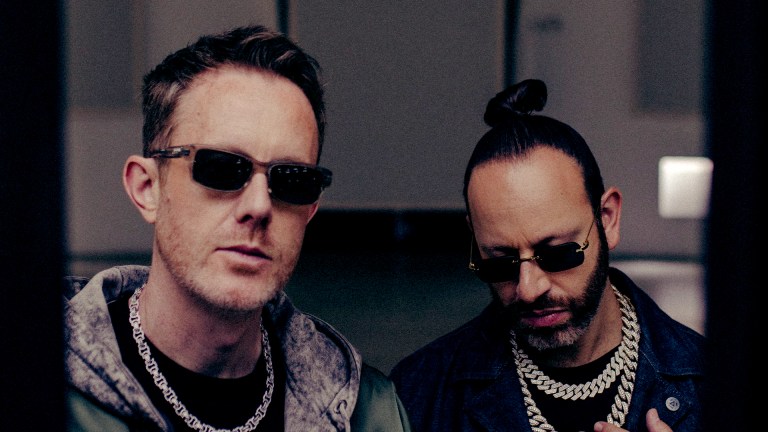
Bastille bandmates (from left) Will Farquarson, Dan Smith, Chris Wood and Kyle Simmons in 2025
When our first album [Bad Blood] went mad and took us all over the world, people encouraged me to enjoy it. But as with all advice, it’s impossible to hear it if it’s not resonating with how you feel. So the advice hits you in retrospect. I’d tell my younger self to be as authentic as possible and stick to your guns in terms of the weird ideas. We were fortunate to have bizarrely mainstream success with songs about the victims of a volcano and music videos that were film-noir or surrealist gothic tales.
When the first Bastille album came out, it was one of the only mainstream albums of that year written entirely by one person. I wrote these songs on my laptop in my bedroom and then we would go and play. I was quite naive entering the music industry and assumed every artist wrote their own songs, apart from the most obviously manufactured pop. When I was starting out and didn’t have anything to write about, I’d borrow friends’ poetry and even a book of notes my dad wrote travelling around America. It became a song off Ampersand, which was a side project [released in four parts from 2024-25].
We had an interesting route to mainstream success that was pretty unexpected. It happened in spite of the media in a way I’m really proud of, through sleeping on floors and sofas and driving ourselves around the country building a fanbase who loved the songs. In interviews I’d to just talk about things I loved and was a nerd about – again that’s the 16-year-old version of me arming myself, unconsciously, with stories I felt were more interesting than me or my life to talk and write about.
I realised early on that I was more comfortable as a songwriter than being on stage. One of the first songwriting sessions I did was with Tears For Fears. I couldn’t believe these legends came to our tiny basement studio. The role of producer or co-writer is about your ability to write lyrics, pluck melodies out of the air and produce tracks. But it is also about making the room the kind of space where people feel able to sing. It’s so absurd, the idea of a bunch of adults in a windowless room singing at each other. But you get to leave at the end of the day with a thing that didn’t exist before.
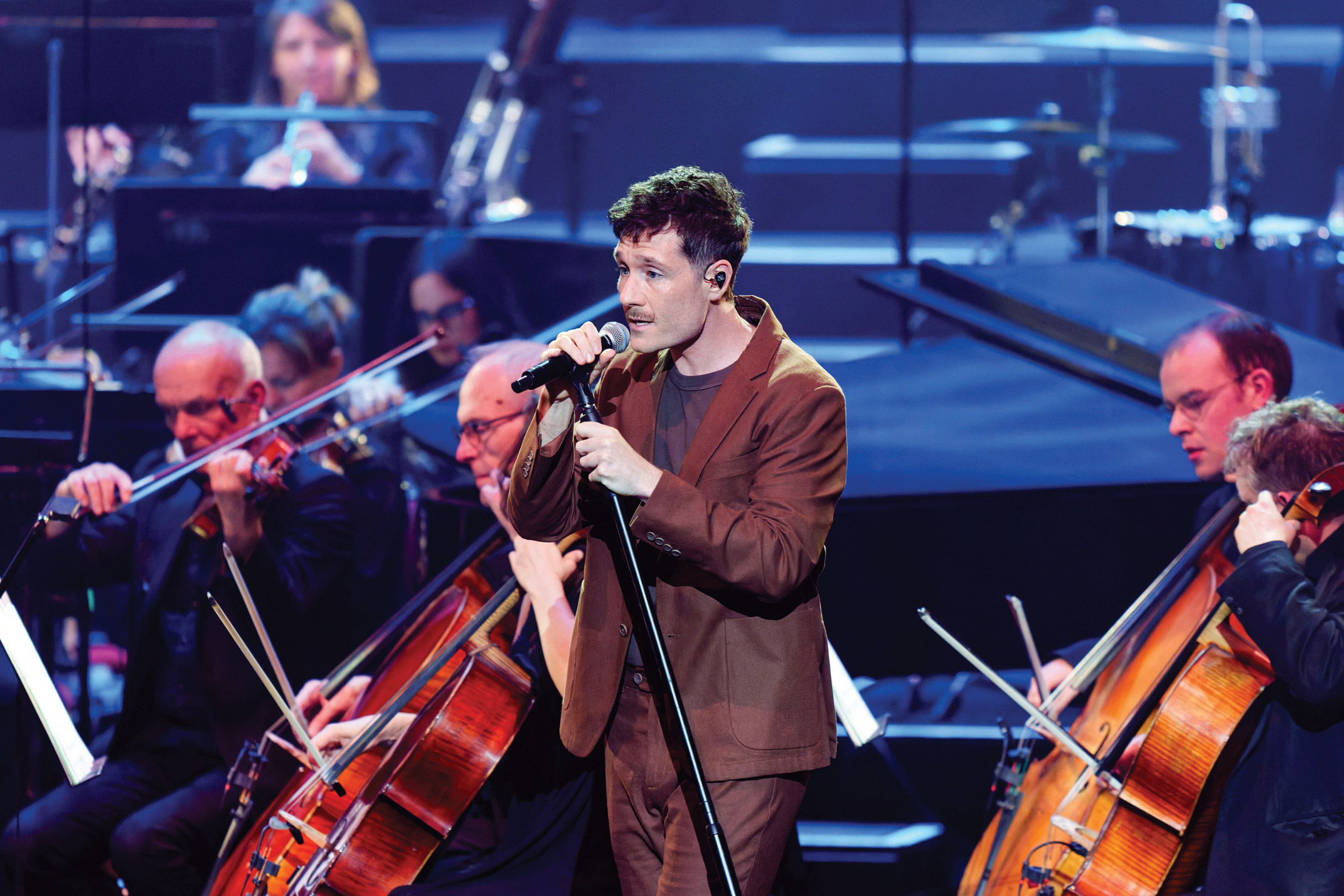
Dan Smith performing at David Attenborough’s 100th birthday celebration. Image: Andy Paradise / BBC
It would be incomprehensible to my younger self that I’d work on the score for Planet Earth III. Then playing at the Albert Hall at David Attenborough’s 100th birthday celebrations was the most surreal evening ever. We were on first, which was great, because I was a nervous wreck. I got to leave the stage then watch the rest of the show in this love-filled room for an incredible man. It was interesting being involved in one of those unifying national moments. I got messages from loads of old friends from around the world saying, why the fuck are you there?
I loved writing with Myles Smith – and he told me how much he’d loved Bastille as a kid. When Bastille did a 10-year anniversary tour [in 2023], it was the first time I realised that we’d made something that meant a lot to people. I was able to see how that nerdy, awkward 21-year-old who spent all this time on his laptop with headphones on had made an album that resonated with people. At the time, the business of having success is so surreal. There isn’t a minute to take it in – it’s one ridiculously heightened situation after another.
Bastille are taking part in Warchild’s Secret 7” project. All 700 record sleeve designs will be exhibited at 180 Studios, London from 18-30 August. The online auction is from 18 August to 2 September.
Bastille play shows this summer across the UK and Europe.