On 4 May 1979, the same day Margaret Thatcher took office as prime minister, the first ever seven-inch single on 2 Tone Records was released. The Special AKA’s Gangsters and The Selecter’s self-titled track served to launch two great bands on an unsuspecting public.
When their next single On My Radio crashed into the top 10, The Selecter and The Specials, plus label mates Madness, all appeared on the same edition of Top of The Pops – bringing the 2 Tone movement right into the heart of the mainstream.
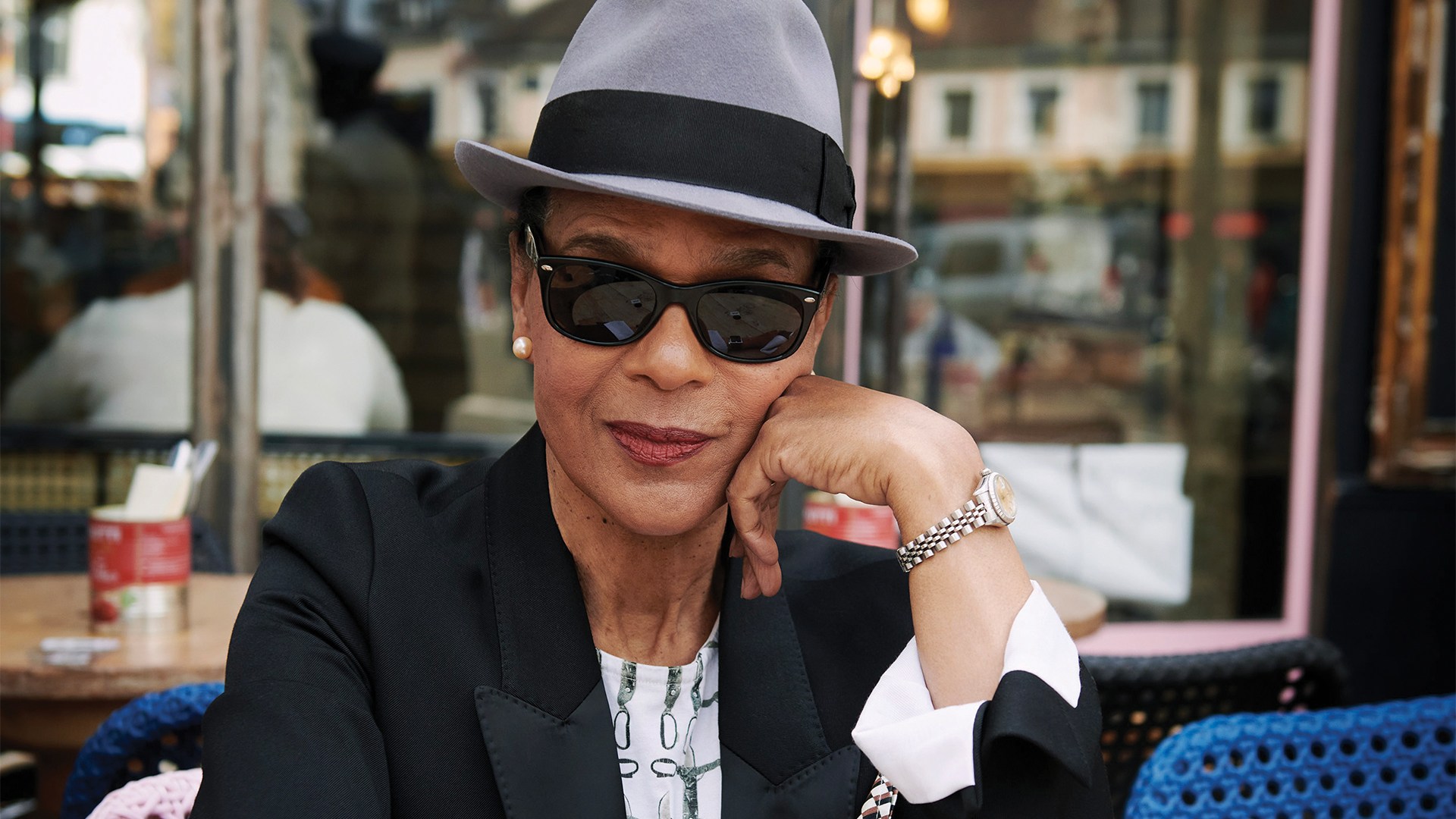
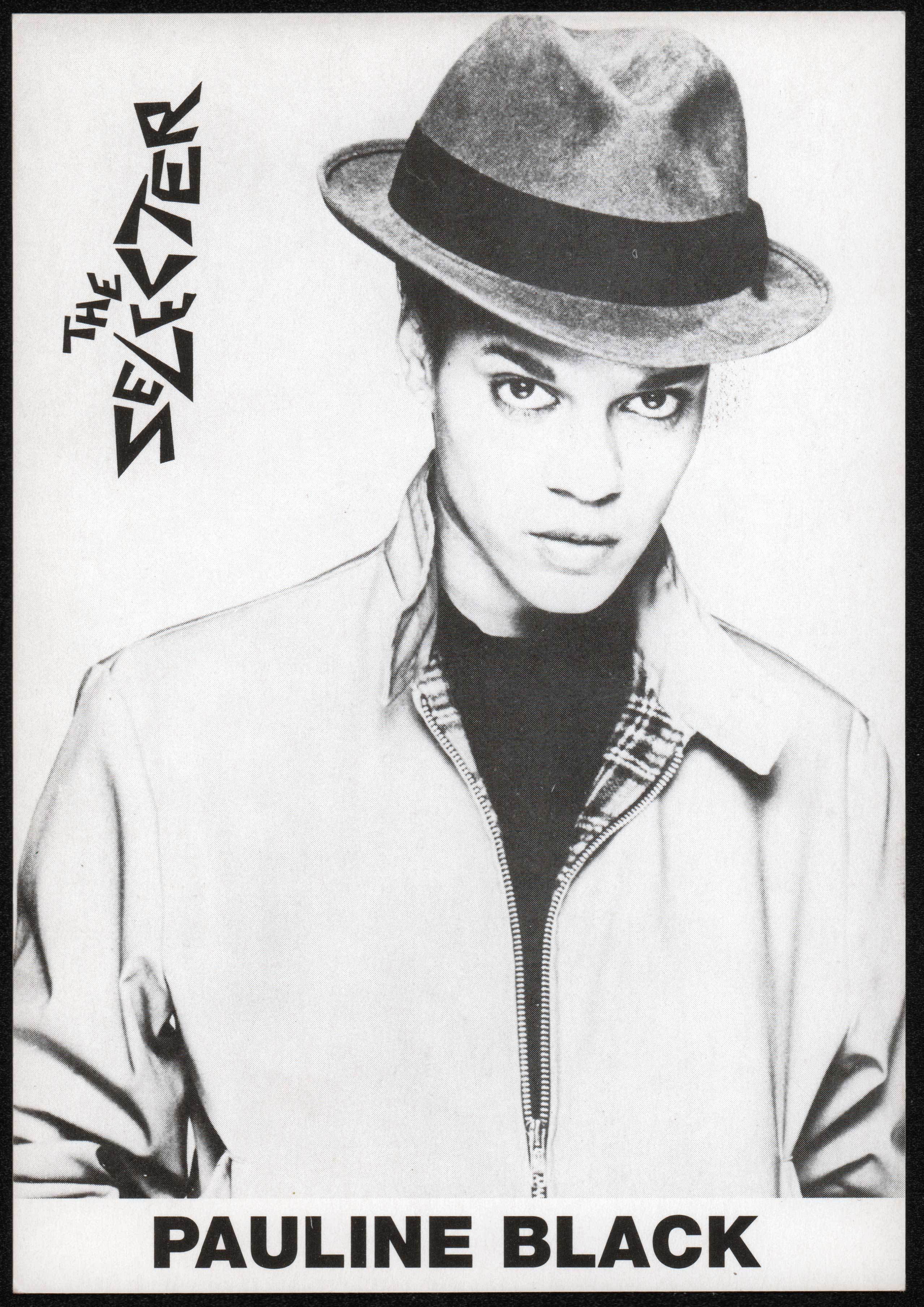
Singer Pauline Black has been combining music and politics ever since she first joined The Selecter in 1979,
The new musical subculture, straight out of Coventry, stood in direct opposition to the divisive politics of the era. This was music with a message. This was an inclusive, anti-racist scene.
So when Saatchi Gallery exhibition Beyond the Streets was looking for artefacts to represent street culture, street art and street politics, they knew who to ask.
We spoke to Pauline Black about her involvement in the exhibition and why the message of 2 Tone is as important as ever.
Advertising helps fund Big Issue’s mission to end poverty
Advertising helps fund Big Issue’s mission to end poverty
What’s your involvement with the Beyond the Streets exhibition?
I was asked if I had anything in my archive I would donate. So I raided a few boxes under the bed, as it were, and there were things nobody had ever seen – itineraries from our first US tour, handwritten notes with my thoughts about being in New Orleans in 1980, which was very different to now. Tickets, posters, postcards I’d sent home – things my mother had kept. They end up in boxes. And you don’t think about their significance until much later.
Read more:
Keep reading the journalism that powers our mission
Register free to continue and learn more about the stories, campaigns and the support we provide, helping people facing poverty across the UK.
Why do you think the music and art of 2 Tone belongs in this exhibition?
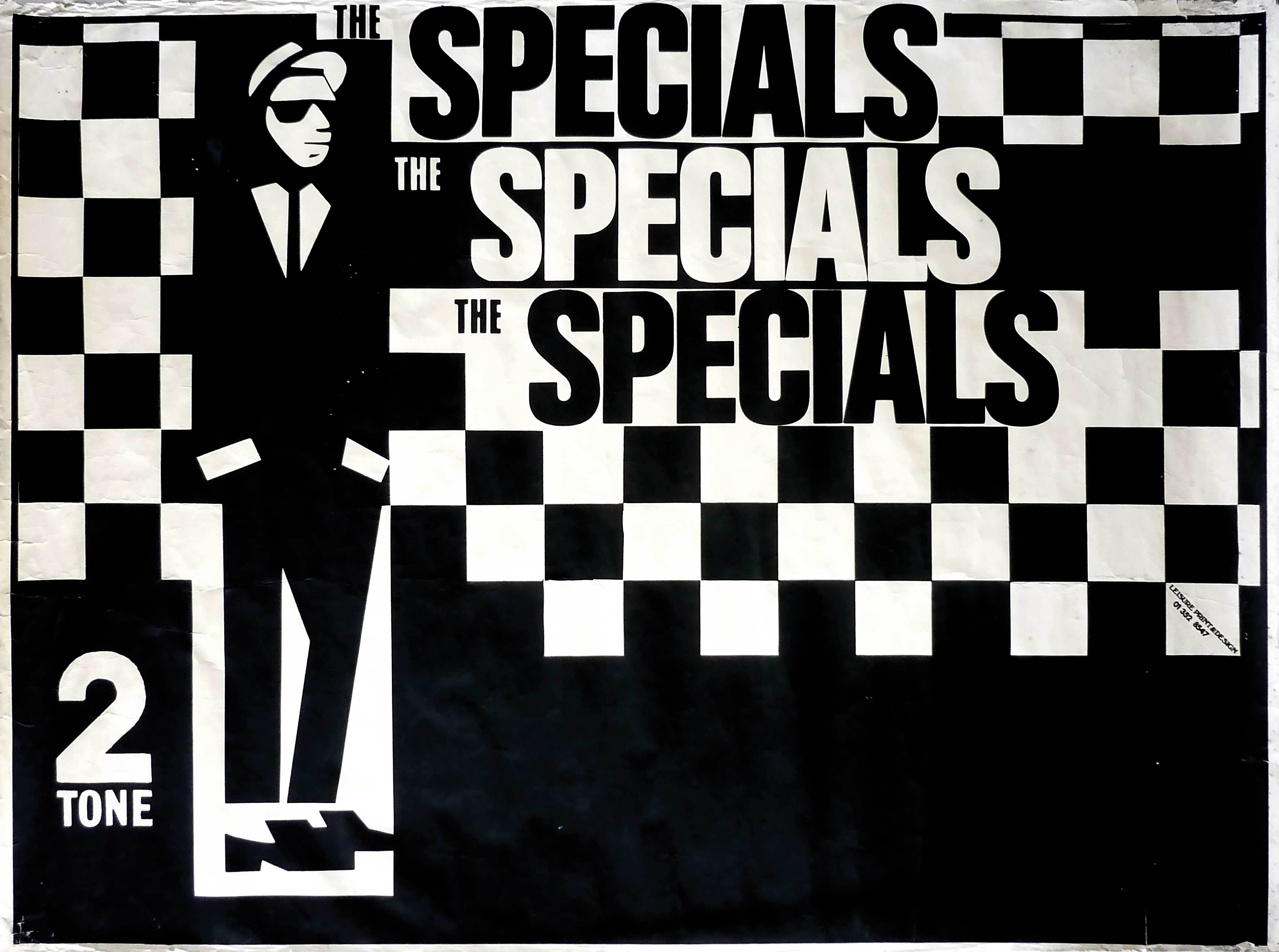
The whole iconography that surrounds 2 Tone, the black-and-white check repurposed to exemplify what we were about, which was black people and white people coming together making music. Look at the album cover of Too Much Pressure, the guy leaning against the wall with the weight of the world upon him, bound in by black-and-white check. You could take that artwork and put it out now and it would still be saying the same thing to people about the divisive politics of the day.
The Selecter and 2 Tone were defiantly anti-racist – one look at the bands and you could see what they stood for.
We were a predominantly black band. There were six black people in the band, one white person. In racist circles, we were referred to as The Selecter plus six. And The Specials were referred to as The Specials plus two. Like the only actual people were the white people. I’ve been talking about this for 48 years. At our early shows, there would be a contingent of far-right people who would turn up and ‘Sieg Heil’ at the stage. So that’s what we were dealing with.
Does the recent rise of the far right give you a horrible feeling of déjà vu?
It’s sharpened in expression these days, because those who seek to divide us now have actual seats in parliament. All we had to contend with, and I don’t use those words lightly either, was Margaret Thatcher. Back in 1979, people didn’t really use the word racism. They actually didn’t really know what it was. Because racism was just embedded in society. It was the status quo. The same as sexism was. And The Selecter stood against all that. But back in 1976 Eric Clapton, had stood on the stage at the Odeon in Birmingham and spouted a load of racist rhetoric. At the time he was thought of as the greatest guitarist ever – I actually think that was Jimi Hendrix – but either way, it didn’t do his career any harm. That’s why Rock Against Racism came into being, to counteract these things.
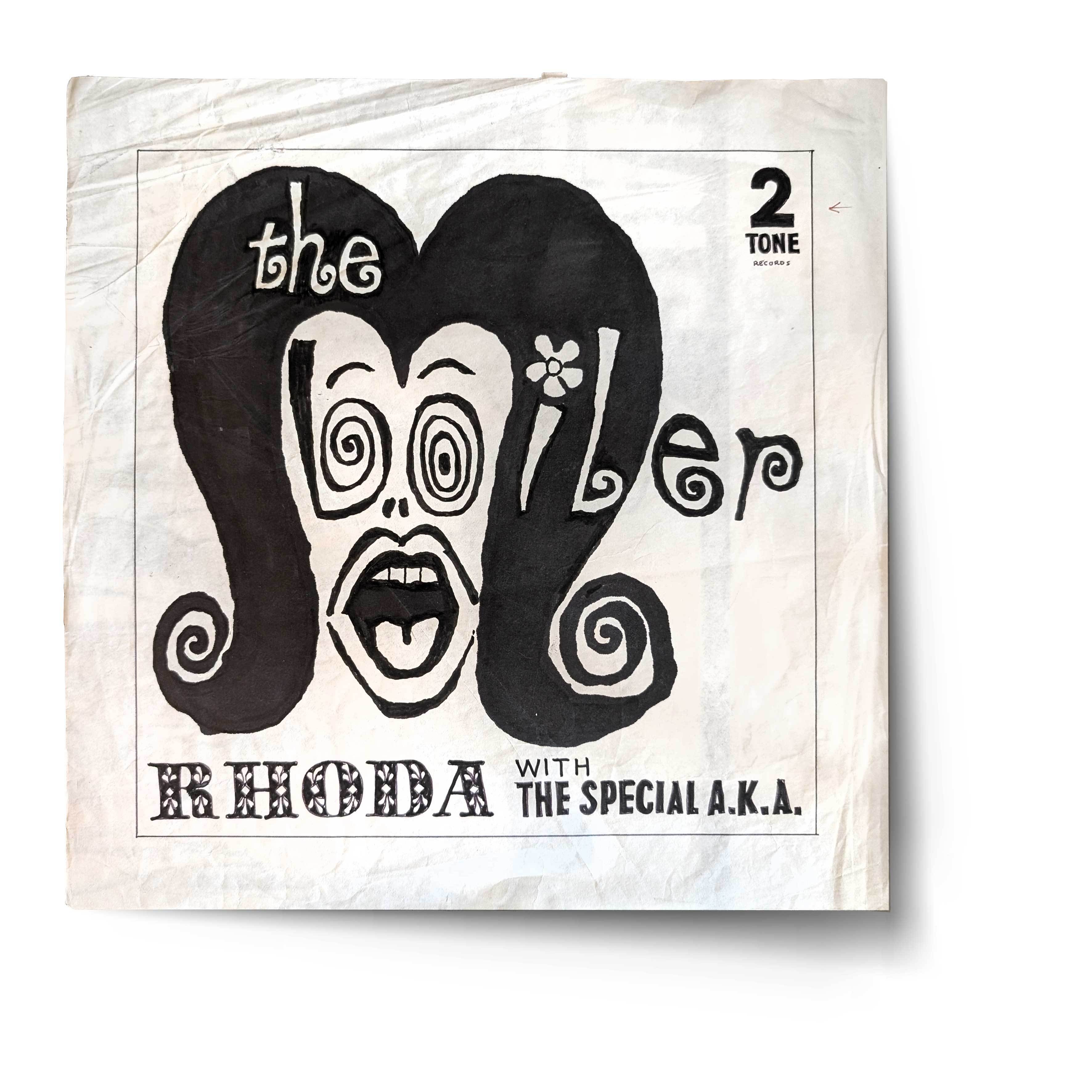
Seven-inch single of The Boiler by The Specials featuring Rhoda Dakar
What change do you think the 2 Tone movement made?
We put our feelings about racism firmly on the agenda. And in a way, I feel that is all bands can do. We’re talking about broad political changes. It takes a long while to change the thoughts and ideologies of countries. So you can’t expect one band or one movement comprising a few bands – and ostensibly it was only The Specials and The Selecter who stuck around on 2 Tone – to do it. We were on the front line. Don Letts says The Selecter provided social reportage. That’s what we did. And that’s what we do still.
Are you looking forward to seeing your archive and pictures of you in the Saatchi Gallery?
I’m absolutely amazed that this is happening. It’s like they say: if you stick around long enough and you’re alive long enough, you end up in a museum
Pauline Black features in the Beyond the Streets exhibition, showing at Saatchi Gallery, London until 5 May 2027