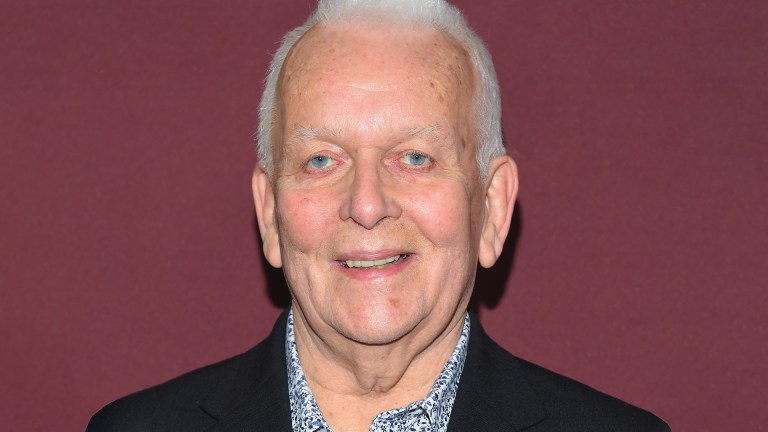
Richard Gadd: 'I never set out to make peace with things in my own life'
Like his previous hit Baby Reindeer, Richard Gadd's Half Man is intense and uncompromising, charting the dysfunctional relationship between friends Ruben and Niall
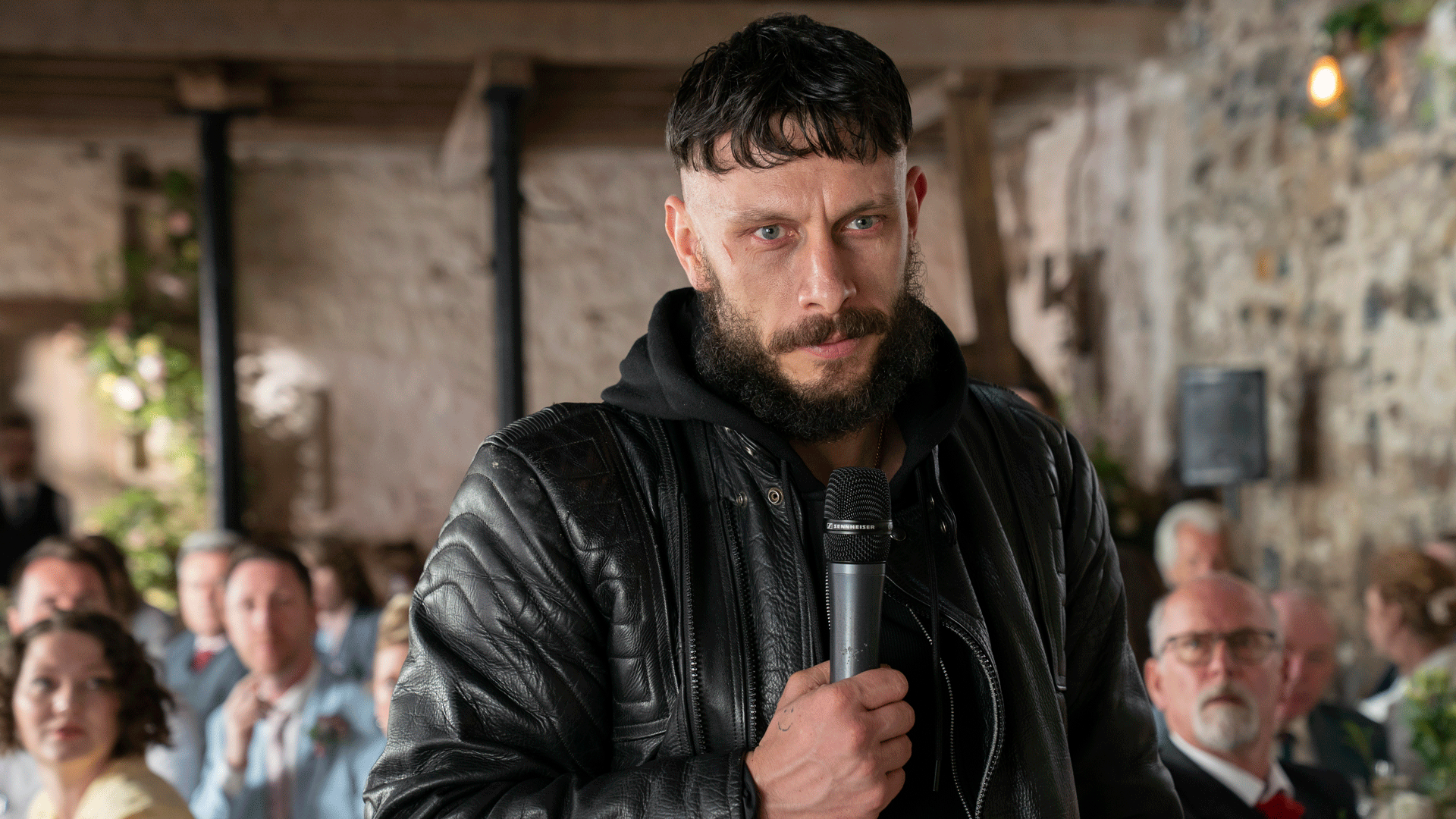
Richard Gadd as Ruben in Half Man. Image: BBC/Mam Tor Productions/Anne Binckebanck
Share
Exactly two years ago, Richard Gadd was the most watched man on the planet. Now he’s back to shape the conversation again.
On 11 April 2024, Baby Reindeer was released on Netflix and, over the next few days and weeks, the series was binged, discussed and debated by the world, ranking in the top 10 in 92 countries; number one in 30 of them.
Gadd wrote and starred in the ‘true’ story – largely an adaptation of two shows he took to the Edinburgh Fringe. Monkey See Monkey Do from 2016 talked about his traumatic experience of sexual assault – performed while Gadd was sweating away on a treadmill, literally trying to outrun his demons. Then in 2019, he debuted Baby Reindeer, recounting his encounters with an obsessive stalker.
Much has been made about the facts of the ‘true story’. Court proceedings are ongoing in the US between Fiona Harvey, who alleges she’s the real-life ‘Martha’ and is suing Netflix for $170 million (£125m) over defamation and negligence. Whether incidents happened exactly as depicted, there is a genuineness to the horror; being caught in relationships you can’t escape even as they suck out your soul.
Audiences connected to Baby Reindeer and Gadd found himself in a curious place where the darkest moments of his life had become the basis of everybody’s favourite must-binge watch.
Advertising helps fund Big Issue’s mission to end poverty
Advertising helps fund Big Issue’s mission to end poverty
He became an instant superstar and awards followed, but there was no downtime. “I finished the final sound mix of episode seven of Baby Reindeer on 13 December 2023 and the very next day, at 8am I started back on Half Man,” he says.
It’s 8am again when Big Issue meets Gadd in the Glasgow production offices where he’s racing to finish the edit of his follow-up series. Like Baby Reindeer, Half Man is intense and uncompromising, charting the dysfunctional relationship between Ruben and Niall – “brothers from another lover” – who careen into each other’s lives over decades, causing chaos for them both and plenty of collateral damage too.
Actors Stuart Campbell and Mitchell Robertson play the pair as adolescents and through their twenties in the early episodes, Gadd and Jamie Bell picking up their story in later years.
Keep reading the journalism that powers our mission
Register free to continue and learn more about the stories, campaigns and the support we provide, helping people facing poverty across the UK.
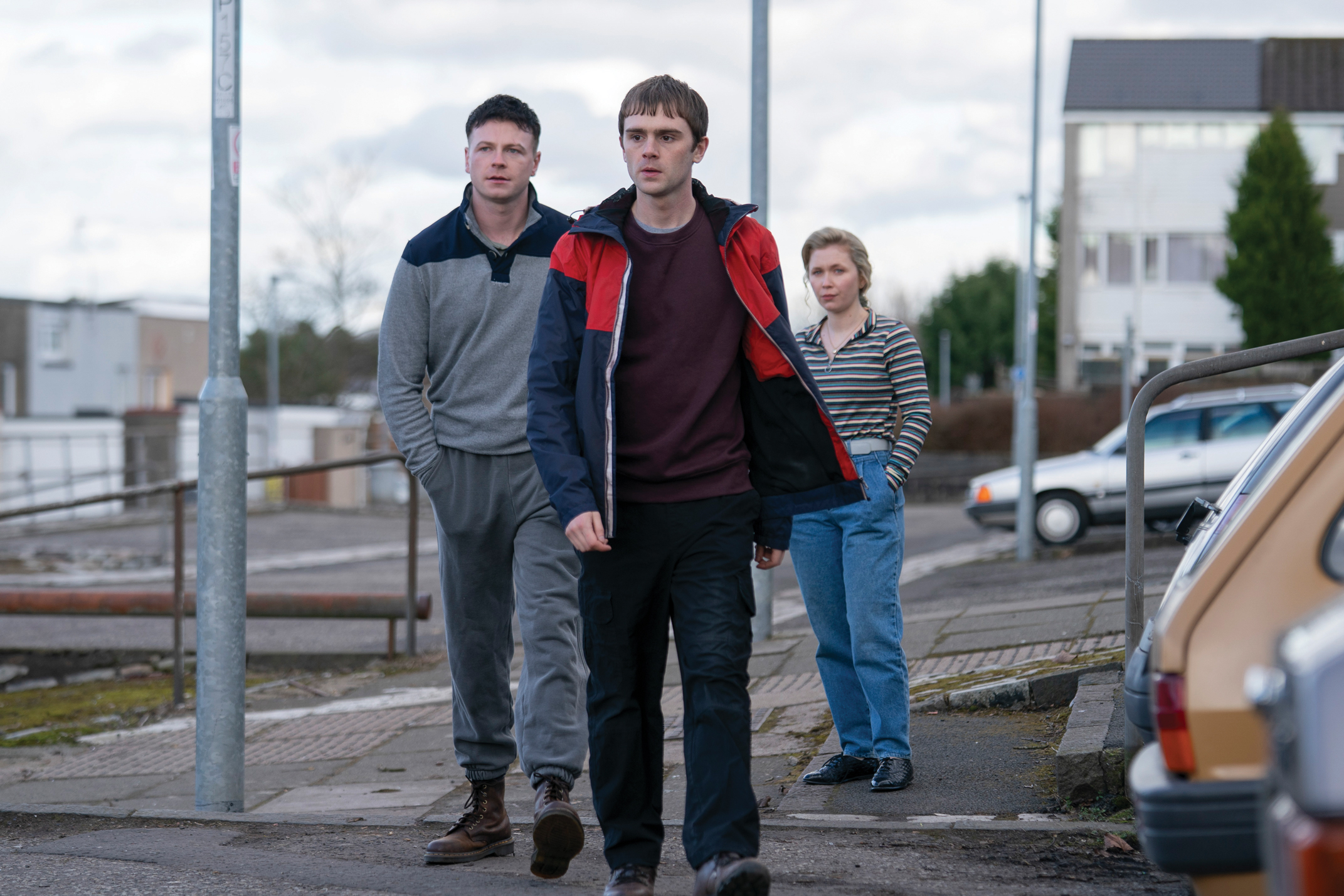
From left: young Ruben (Stuart Campbell), Niall (Mitchell Robertson), and Joanna (Julie Cullen). Image: BBC / Mam Tor Productions / Anne Binckebanck
Gadd plays the bullish, brutal Ruben looking like a mutant version of Baby Reindeer’s Donny. He bulked up from 68kg to 110kg. Today he’s slimmed down slightly, long shifts in the edit suite stealing gym time, but despite the early hour he’s clearly fizzing with creative energy and passion for his latest project.
After the sudden success that followed long years slogging it out on the comedy circuit and under the radar writing on shows like The Last Leg and Sex Education, everything has changed and yet nothing has changed.
“I didn’t want it to change,” Gadd says. “I always still got the tube in London at the height of Baby Reindeer, when I was probably one of the most famous people in the world. I was like, I’m not gonna live a life of aloof isolation. I need to be plugged in and around people. I’m gonna go to the theatre, I’m gonna go to Lidl.
Advertising helps fund Big Issue’s mission to end poverty
“Some people get fame and they want to hold on to it at all costs. So they start to play the game of fame. They’re going to post loads online, they’re going to be seen places. If that’s what you care about, you’re not going to be able to maintain a grip on your artistic output because your priorities have become very different. I’m scared of doing anything that will take people away from believing in the work.”
Gadd has retained total creative control on Half Man. And if anything, it takes Baby Reindeer’s intensity up a gear. There’s still searing vulnerability, underscored by more visceral violence. Martha was a larger-than-life nightmare but fun to spend time with – even if you wouldn’t want to give her your phone number. Half Man can be a bruising watch.
“There is humour in Half Man as well,” Gadd says. “Something just can’t be one big truncheon over the head.”
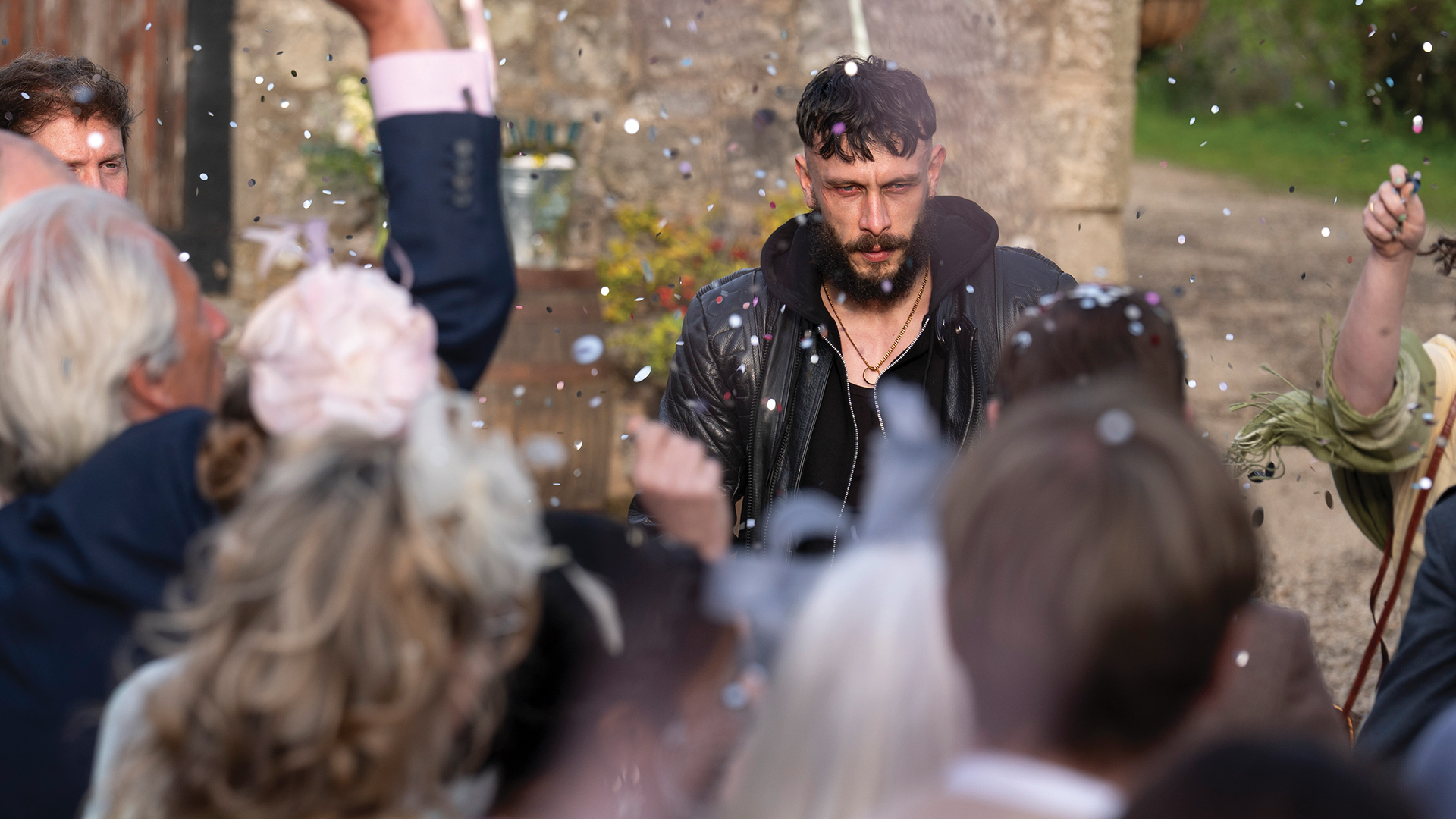
Richard Gadd in Half Man. Image: BBC / Mam Tor Productions / Anne Binckebanck
There are big, timeless issues. The intrinsic bond and inevitable betrayals between Ruben and Niall almost echo those of Cain and Abel. And there are big, timely issues. The dissection of masculinity is right on trend.
Gadd explains: “The genesis of it came around before Baby Reindeer. There were a lot of conversations around men at that time, male repression and violence and anger and rage. An artistic sort of lust took flight. Two people you’d consider to be alpha and beta in a stereotypical, almost judgemental sense, but then start to unpick and explore that over six episodes.”
Advertising helps fund Big Issue’s mission to end poverty
Half Man is not a true story. But there’s a lot of truth to it. The bullying at school, the mistakes you can’t help but keep repeating are often painfully relatable. But Gadd emphasises that it’s not another strictly autobiographical story.
“I never set out to make peace with things in my own life. It is a work of fiction in that respect. Every piece of writing is based on certain feelings, emotions, experiences. I never set out to write my experiences of being like a certain character, like a Niall or a Ruben.”
On paper – paper that he did the writing on – Gadd feels closer to the more anxious Niall than the domineering Ruben. “Everyone, whether they like it or not, is made up of great qualities, odd qualities and maybe even some bad qualities,” he says.
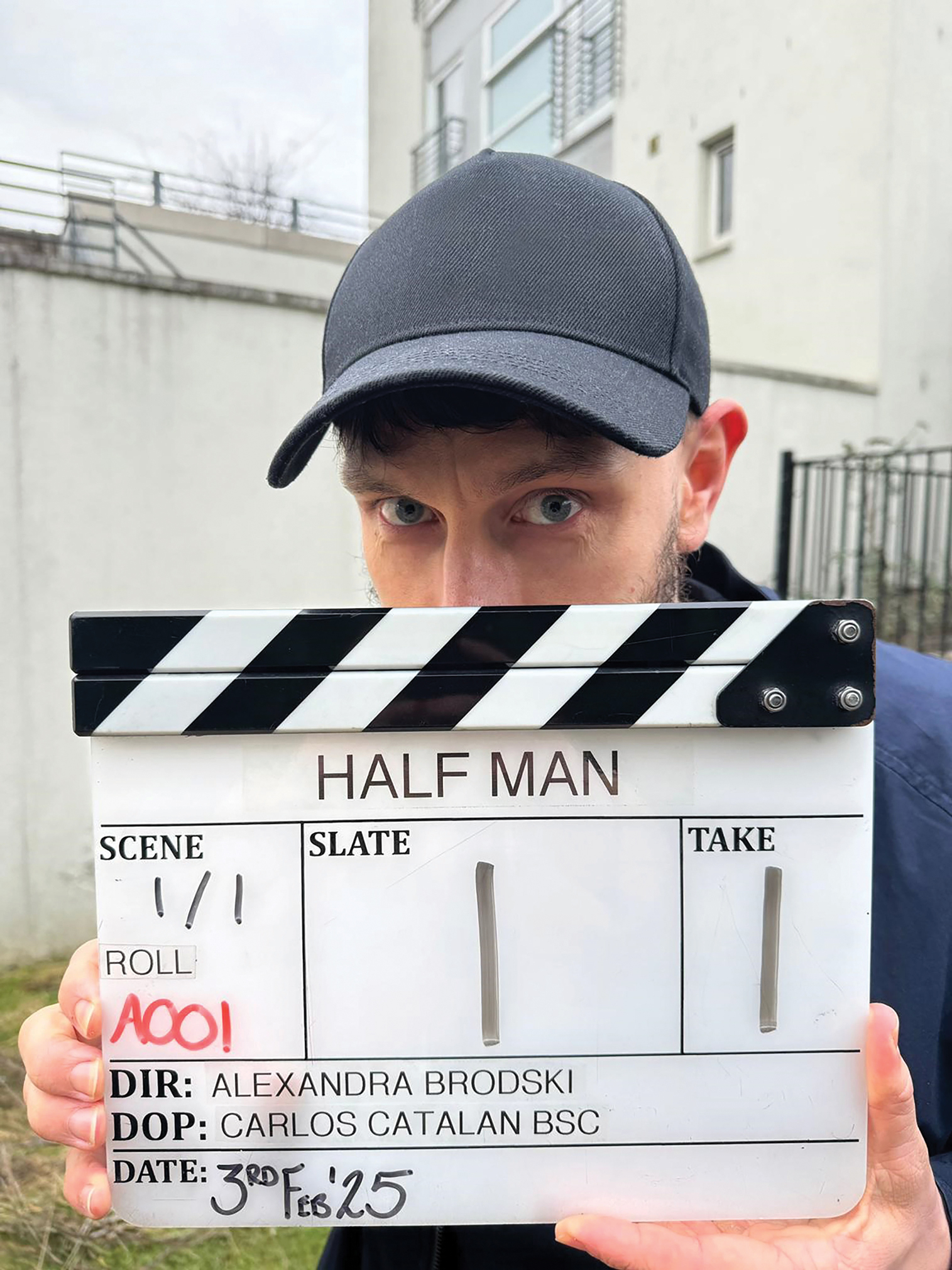
Richard Gadd. Image: BBC / MamTor
“In these two characters, if you really strip them back, you start to realise you can’t really tell where they lie on the good/bad spectrum, which version of ‘masculinity’ is preferable – if either of them are.
“Ruben can be fiercely loyal and protective and accepting, but at the same time, prone to huge bursts of violence. He’s this blend of traits. And I think that’s the human condition. Everyone knows a Ruben, or everyone has met a Ruben. Or had someone in their life where they felt a sense of fear and admiration all at once.
“There are times where I think the audience might, I hope, be surprised that they’re rooting for Ruben after everything he’s done.”
Advertising helps fund Big Issue’s mission to end poverty
One way Ruben torments Niall is by calling him Bambi. “The Bambi thing is going to follow me around,” Gadd sighs. “I would try everything else because I was like, people are going to think it’s some reference to Baby Reindeer. But nothing else I tried had that patronising quality, when you don’t quite know whether someone is making fun of you”.
Early episodes in the series, focusing on school and college years, lay the fragile foundations for the volatile relationship that follows. The first episode set during their school days draws inescapable parallels with last year’s Netflix smash Adolescence. Although Gadd hasn’t seen that yet. He avoids watching TV while making TV.
“I remember watching Succession when I was writing Baby Reindeer. And I don’t think it did me any good. You slave at a laptop all day, and then go home, watch Succession.
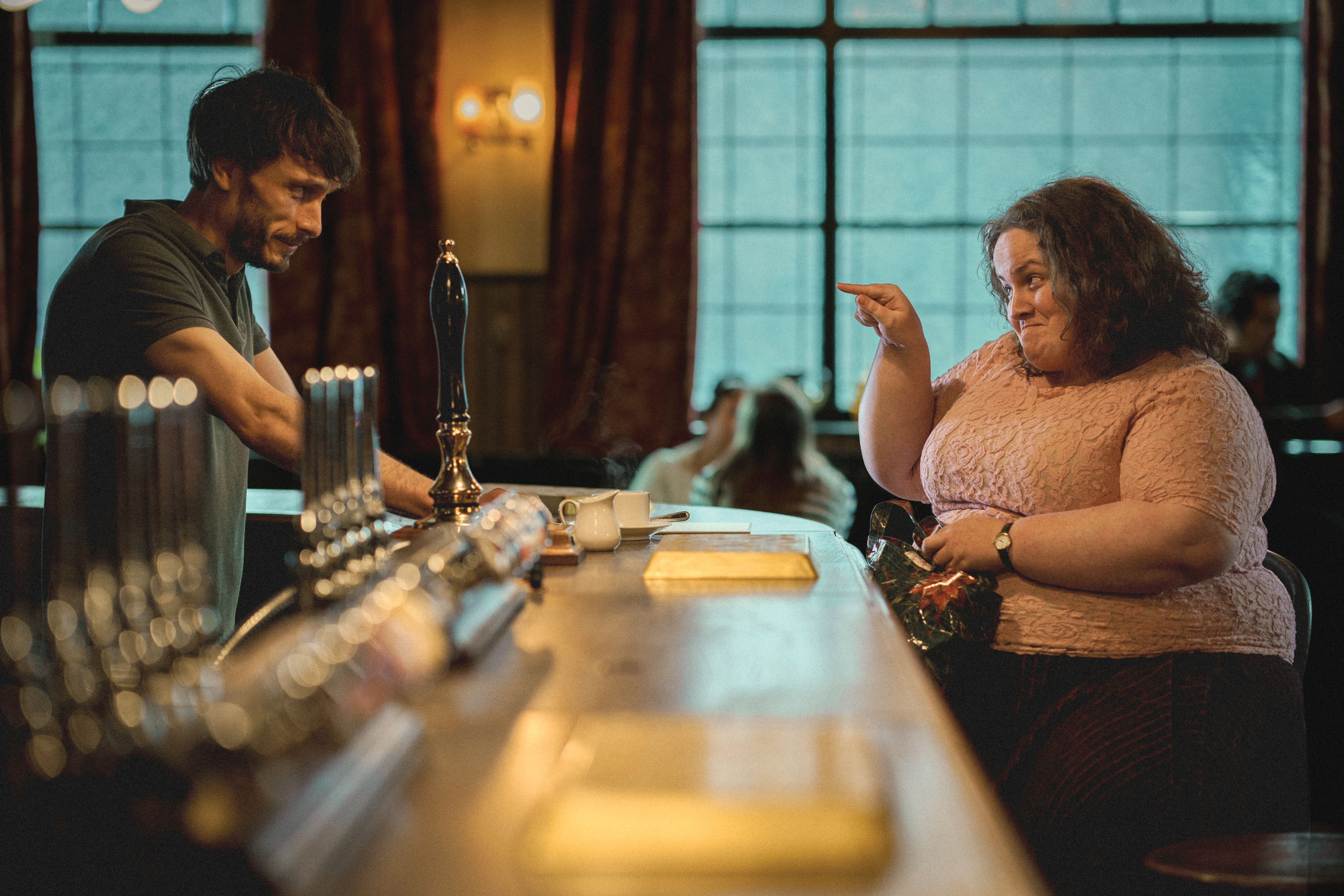
Gadd with Jessica Gunning as Martha in Baby Reindeer. Image: Ed Miller / Netflix
You get up the next day feeling a little more pressure.”
Adolescence is at the top of his watchlist for when Half Man is complete (that should mean he’ll have seen it before appearing opposite breakout star Owen Cooper on rival teams at the upcoming Soccer Aid). The burst of violence in Adolescence was shocking because it seemingly came out of nowhere. Half Man spends time exploring how trauma and suppressed emotions simmer away until they explode.
“We learn in youth to keep stuff in. It’s not OK to be this, it is OK to be that,” Gadd says. “[The characters] learned certain things in their childhood which they kept inside to such a degree that it corrupted them as adults.
Advertising helps fund Big Issue’s mission to end poverty
“When our brains are forming in our formative years and we’re figuring out what life is, any sort of repression can have an effect when you’re older. It can be soaked up as trauma, which later has consequences.”
Half Man reflects current debates around the manosphere, where misogyny is becoming mainstream. Ruben is a sexist, misogynist example of toxic masculinity. But for something to be toxic, Gadd thinks, there has to be an aspect that’s intoxicating.
“I think in the case of Ruben, and people like Ruben, others want to gravitate close to those who seem to have life sussed out. They clearly have a formula of some kind. That can be quite thrilling.”
Ruben’s desire to be dominant depends on having somebody he can subjugate. More broadly, are we all then only part-people, reliant on relationships with others to make us whole?
“I’m actually not sure,” Gadd decides. “I’ve been reflecting on my own life. I’ve been more or less single for three years now, and in a lot of ways, it’s been great for me. I’ve learned to be independent, deal with silence a little better.
“From a young age we watch TV shows – we grow up watching Friends – and the core of a lot of stories is finding the perfect match. We are programmed as society to think you have to meet someone and that is the key to life.
Advertising helps fund Big Issue’s mission to end poverty
“I know people who work brilliantly in relationships. I know people who possibly need a bit of time to themselves. Not everyone gets into relationships for the right reasons. And I think a lot of people, but speaking from my perspective, get into relationships because they cannot stand being by themselves, and that is where I think the problems can lie.”
Is there an easy explanation for the source of Ruben’s anger? “I feel like a lot of repressive male behaviour comes from trauma,” Gadd says. “Clearly, something in Ruben’s life has happened at a young age that’s meant that he has put his guard up to the fullest extreme. He does not want to feel disempowered around anyone.
“I’ve come across men like that, where the slightest dent on their masculinity results in a complete knee-jerk reaction the other way. Some men come into rooms and the first thing they’re like, how do I get to the top of this room? Am I going to be loud, gregarious, jokey? Am I going to say really, like, crazy things so people are really spun out by me?
“Ruben’s existence is built around keeping himself atop a social hierarchy. That’s what I wanted to explore in him.
“I can’t say whether male violence or brokenness comes from trauma. But I certainly think people who have been traumatised and don’t have the capacity to emote and be vulnerable with that can sometimes go too far the other way.”
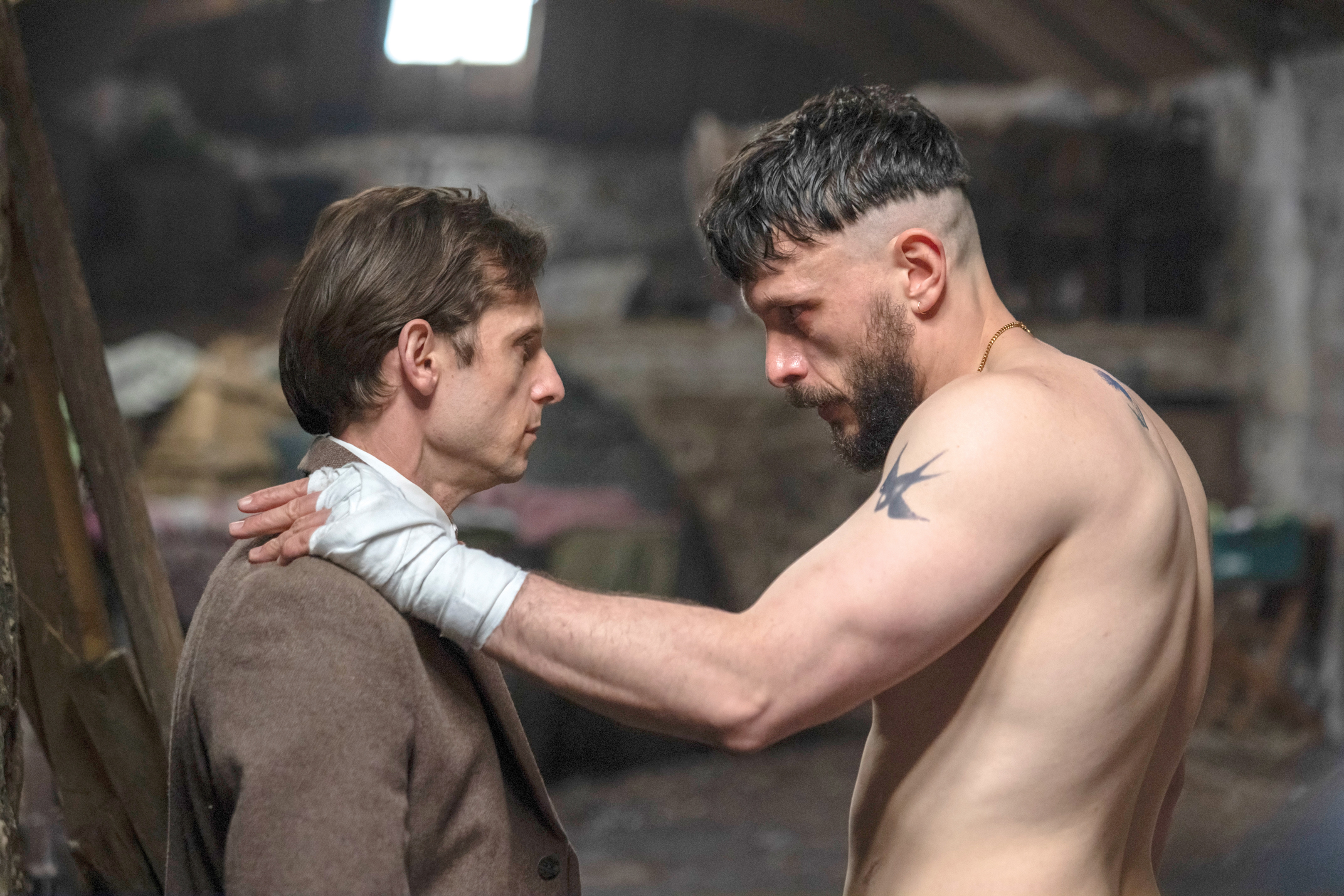
Jamie Bell as Niall and Richard Gadd as Ruben. Image: BBC / Mam Tor Productions / Anne Binckebanck
This does not mean, Gadd states, that it’s inevitable that someone who’s experienced trauma goes on to create more trauma for others.
Advertising helps fund Big Issue’s mission to end poverty
“No, no, it doesn’t. It’s never that simple. But I certainly think there is a link, speaking personally here, between repression in men and outward violence.
“And I think a lot of people question, question, question, because they have a restlessness inside of them; a hole in the soul, craving some sort of understanding of why we’re here and where I fit. I have known people to flipflop so wildly in their life. Quit their job, marry, have kids. Then need to be single. People can move around without realising that the answers actually come from within.”
Is self-examination the way to fill the hole in your soul?
“I wish I knew the answer. I still have heavy days, but I do think that if you chase an external problem to an internal solution, it will provide what you’re looking for.
“There are people in the world who think the key to success is making millions of pounds. Then they get it and the £10 million house, I guarantee you they still get up every day and the drive that got them to that millions of pounds was running away from a problem that the money didn’t actually solve.”
Advertising helps fund Big Issue’s mission to end poverty
Change a vendor’s life.
Buy from your local Big Issue vendor every week – and always take the magazine. It’s how vendors earn with dignity and move forward.
You can also support online: Subscribe to the magazine or support our work with a monthly gift. Your support helps vendors earn, learn and thrive while strengthening our frontline services.
Thank you for standing with Big Issue vendors.
Advertising helps fund Big Issue’s mission to end poverty