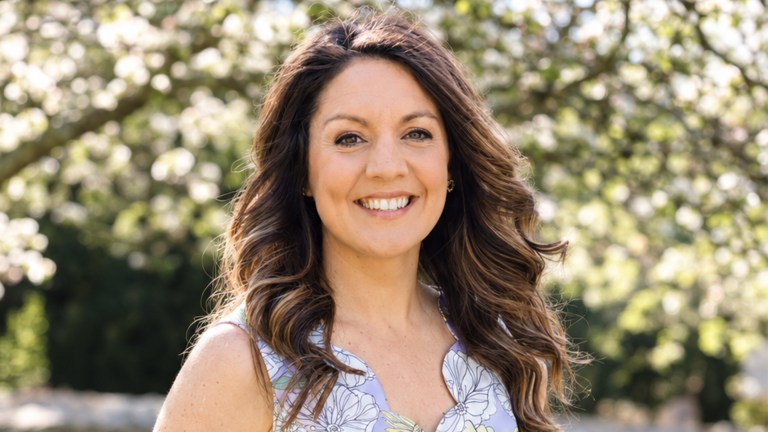
GB Olympic star Victoria Pendleton. Image: Lorna Roach
Share
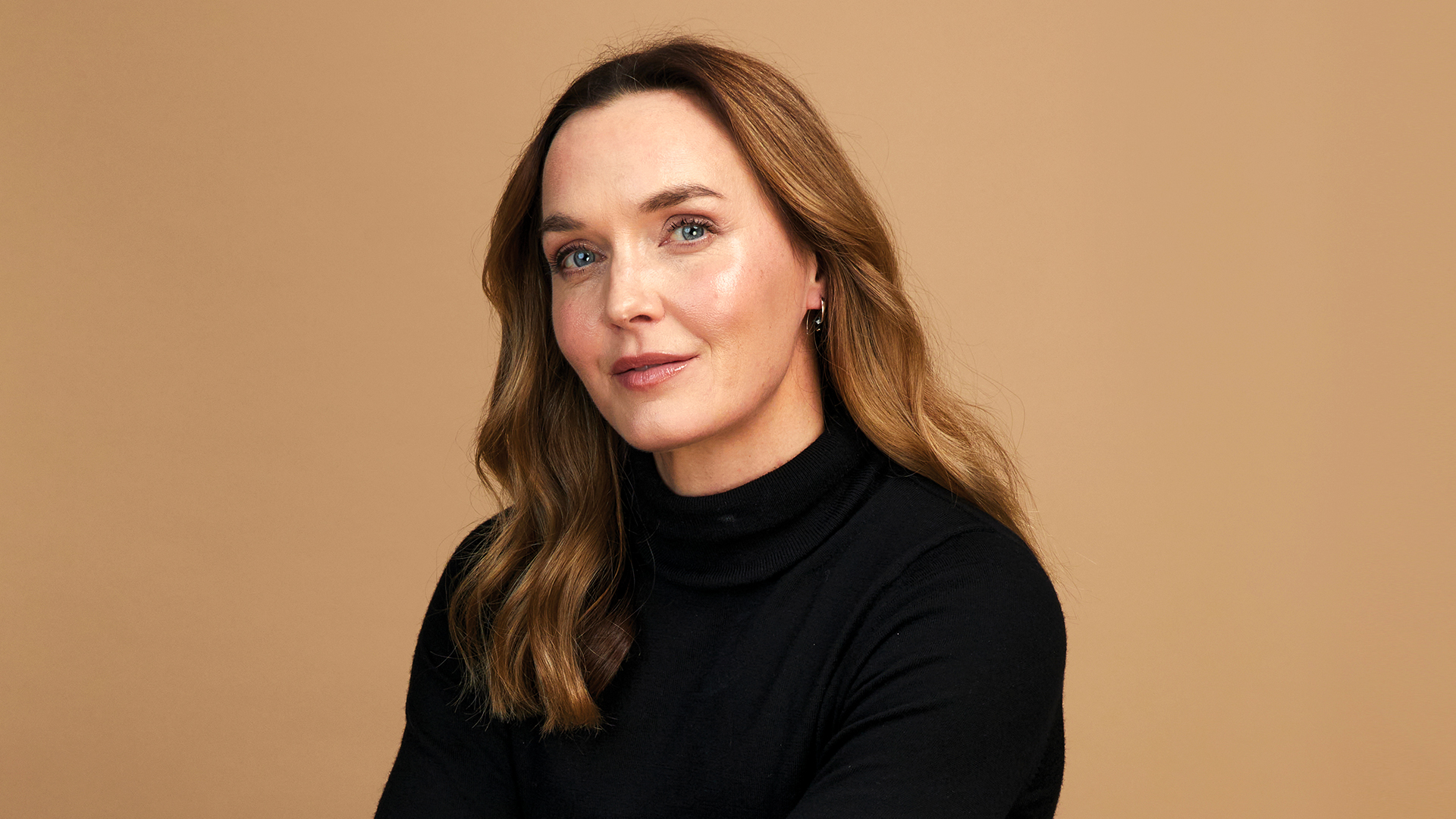
Victoria Pendleton was born in September 1980 in Stotfold, Bedfordshire. She took part in her first cycling race aged nine and was invited to national trials aged 16. She became a full-time cyclist in 2002 and three years later won the first of many world championship titles. In 2008, she won Olympic gold in the sprint, and in 2012 won gold in the keirin and silver in the sprint before retiring. Since then, she had a stint as a jockey, was a contestant on Strictly Come Dancing and was made a CBE in 2013.
In her Letter to My Younger Self, Pendleton looks back on her early sporting memories, the difficult path to sporting glory and her relationship with her twin brother.
At 16, I was an outcast. I didn’t know how I fitted into the world. Sport was the only thing I felt like I was any good at. And I definitely wasn’t cool. I was the dorky kid that rode her bike to school rather than catch the bus.
I was worrying a lot about exams and what the future held. And I was very indecisive – I still am, I blame it on being a Libra. When you’re young, you don’t have enough experience of the world to know what your profession might be, so when the careers advisers asked what we were going to do, I felt a lot of pressure. I had no answers, so I felt very lost and anxious.
My earliest memories are watching my dad [Max Pendleton] race, and I wanted a piece of that action. Sport was my opportunity to express myself. But I didn’t have ambitions. It’s not like I was imagining myself on the Olympic podium. I didn’t have enough confidence in myself to think like that, I was a worrier.
At 16, I was listening to The Bends by Radiohead on repeat. I loved the whole grunge era – Nirvana, Smashing Pumpkins – it suited the melancholy I was feeling at that time. It’s reassuring when you find music that resonates with how you feel. And back then, I was a little bit in despair and sad.
Advertising helps fund Big Issue’s mission to end poverty
Advertising helps fund Big Issue’s mission to end poverty
My twin brother Alex gave me confidence. We never had to do anything alone, not even the first day at school. And I always had someone to play with. We could make up a game, chase each other around, surf cushions down the stairs – there was always something to do. I feel very blessed to have had someone by my side who understood me more than anyone else, because he’d lived the same experience. It’s a very special relationship having a twin. He was always so excited and enthusiastic about any project I was taking on.
At 16, I was talent spotted. I’d been racing on my bike since I was nine. The competitive racing season was part of my life, but it was only ever a hobby I did with my dad, my brother and sister every weekend from May to September. I’d never thought of it as a career, but the GB team noticed my results and asked me to come for a trial. It was totally unexpected.
Keep reading the journalism that powers our mission
Register free to continue and learn more about the stories, campaigns and the support we provide, helping people facing poverty across the UK.
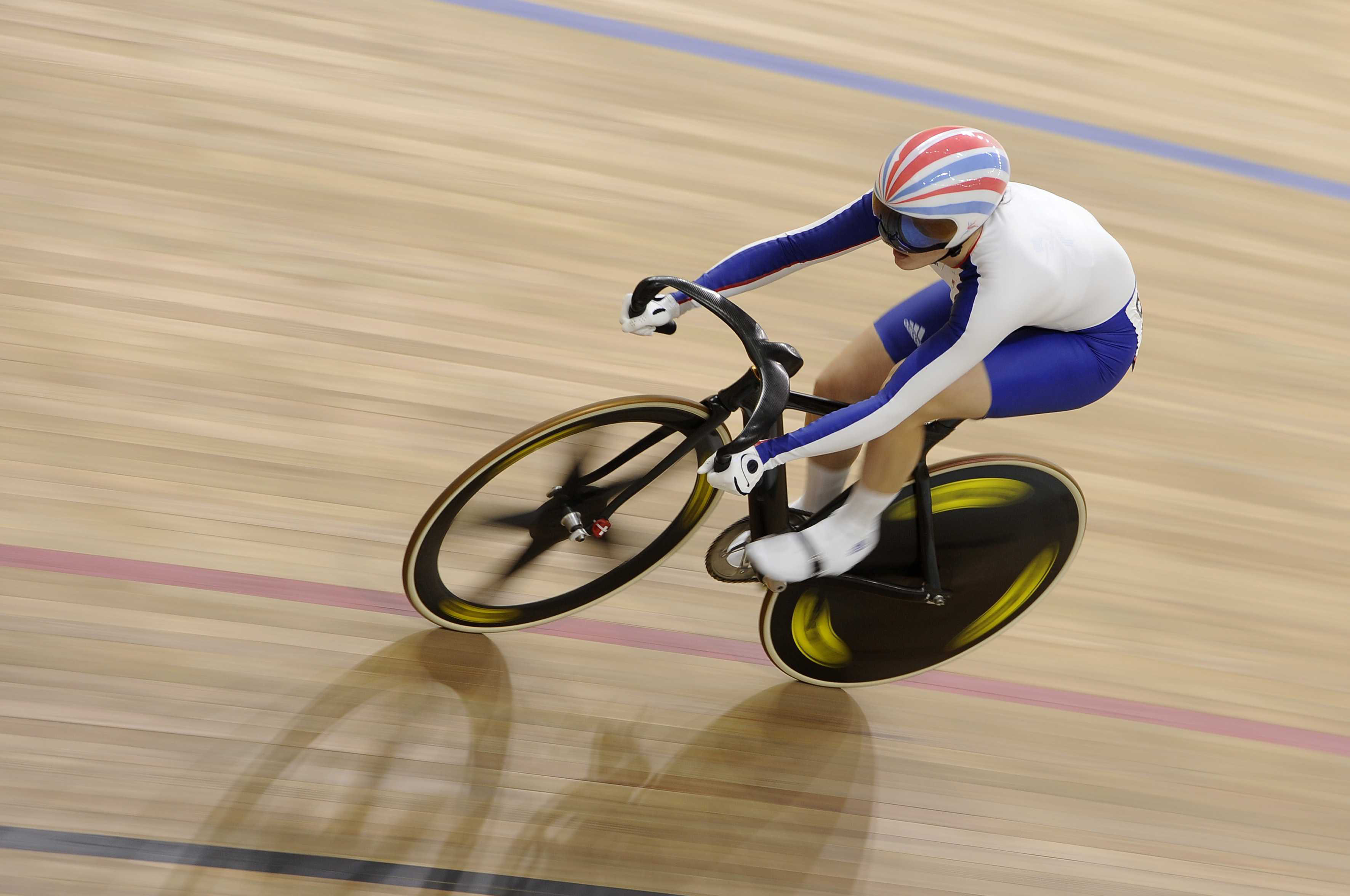
Victoria Pendleton on her way to victory for Britain in the Women’s Sprint at the 2008 Beijing Olympics. Image: Sipa / Shutterstock
I was plucked from obscurity to train with World and Olympic champions – talk about imposter syndrome. I felt like a total fraud. It was like walking into a world of superhumans when I was this scrawny 16-year-old girl from Bedfordshire. But I was surrounded by a bunch of big brothers, like Chris Hoy and Jason Queally, and they looked after me.
I am an introvert. I’ve learned to perform, but I was full of self-doubt. The only person who ever told me I was brilliant was my dad, and I thought that’s what dads are supposed to say. So I never believed his words. I thought it was just kindness from a father to his daughter. I didn’t have role models to look up to in my sport and always felt uncool and awkward. No one really encouraged me to aim high or dream big or dare to be courageous. I felt like I wanted to disappear.
There were no female role models in track cycling to look up to or emulate. Track cycling was a minority sport, so I didn’t even think it was a real opportunity. At best, it would have been a part-time career because there was no funding. I didn’t commit to the GB team until I left university; I felt if I worked hard I could get a better job and might be able to support this cycling idea.
If I had told my younger self she was going to win Olympic gold medals and be world champion multiple times she would 100% think I was lying. That would have been unimaginable. If she’d known she had the capacity to be that good, it would have taken a lot of weight off her mind. But I never believed it was possible. People ask when I knew I had what it takes. When I won a medal. When I become world champion for the first time. That was the first time I felt I deserved to be on the team.
I was lucky to be, as we lovingly call it, part of the golden age of cycling. There’s a few of us and we always pinch ourselves. It was unreal. It was a real rush. I almost feel sorry for everybody that’s come since, because they’re expected to be multiple gold medalists like we were. I don’t think a young VP could have coped, so I don’t envy them. In the year I was born, women didn’t even do track cycling at the Olympics. It was considered too dangerous for women to cycle round a velodrome! So the sport has come a long way in my lifetime.
I never really had boyfriends, mostly because I concentrated on sport. I’d have rather beat them at sport than go out with them. I thought by beating the boys it would impress them. But I realise now that most men, unfortunately, are not impressed if you beat them at sport. So that was my error. I haven’t had a huge number of relationships, and that was my choice. I knew there’d be time for boyfriends when I retired. But I would tell my younger self, don’t worry, you will meet someone who will appreciate you for exactly who you are, so don’t settle for anything less.
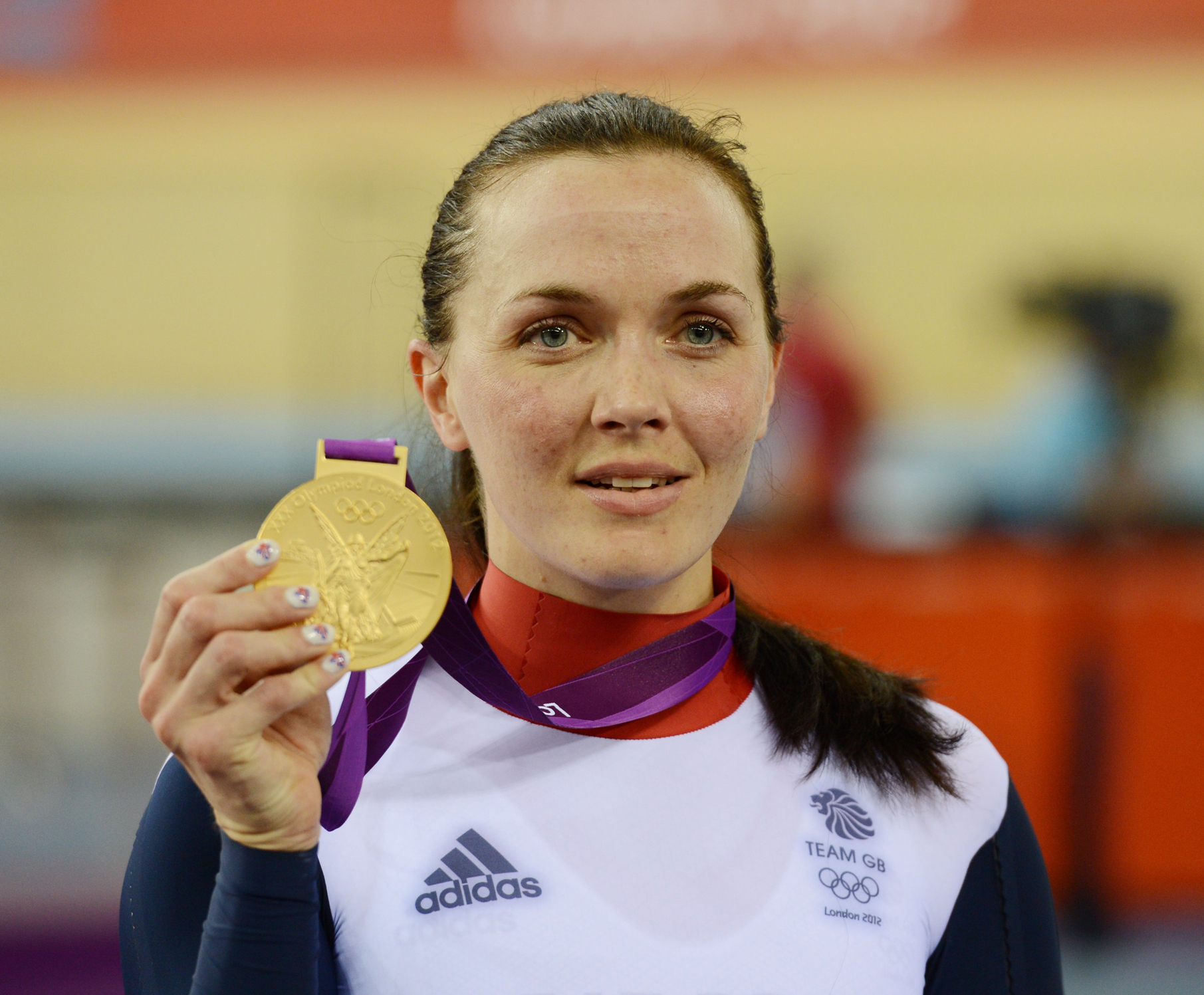
Victoria Pendleton in 2012 with her gold medal at the London Olympics in the Women’s Keirin. Image: Andy Hooper / Daily Mail / Shutterstock
When I finished cycling, I wasn’t done with it. I realise that now. But I had no option because they didn’t feel I had another Olympic cycle in me. So I left the sport at the top, which isn’t a bad thing to do. I was reigning World and Olympic champion. But I was only just in my 30s so I had to work out what my transferable skills were. Cycling hadn’t made me feel complete. I’m still searching, in many ways.
Horse racing was the next big thing for me. I did some TV shows, got some sponsorship deals, things were ticking over. But then an email came in, asking if I wanted to train to be a jockey. It was two weeks before I made a decision, but the best decision of my life was having a leap of faith. It was a bit crazy. Everybody was telling me not to because it was literally dangerous as I’d never ridden a horse before. And you realise when you learn to ride horses that you never really have control: you suggest to the animal what you would like and then go with whatever it delivers. I’d gone from a completely controlled, time-monitored, temperature-adjusted sport to trying to communicate with 500 kilos of thoroughbred.
When I was called courageous, it changed my life. I threw myself into riding different horses, six days a week, and when we were learning to jump and I’d fallen off and got straight back on, my coach Yogi Bryson said: ‘You know, you’re very courageous.’ I’d never been told that before. I tried that word on. It’s like trying on a fancy coat when someone calls you courageous. And it felt really good. It’s a really big, powerful word for little old me, but I decided to take that word and run with it. I like the idea of being courageous, so I’m going to do my best to live that way.
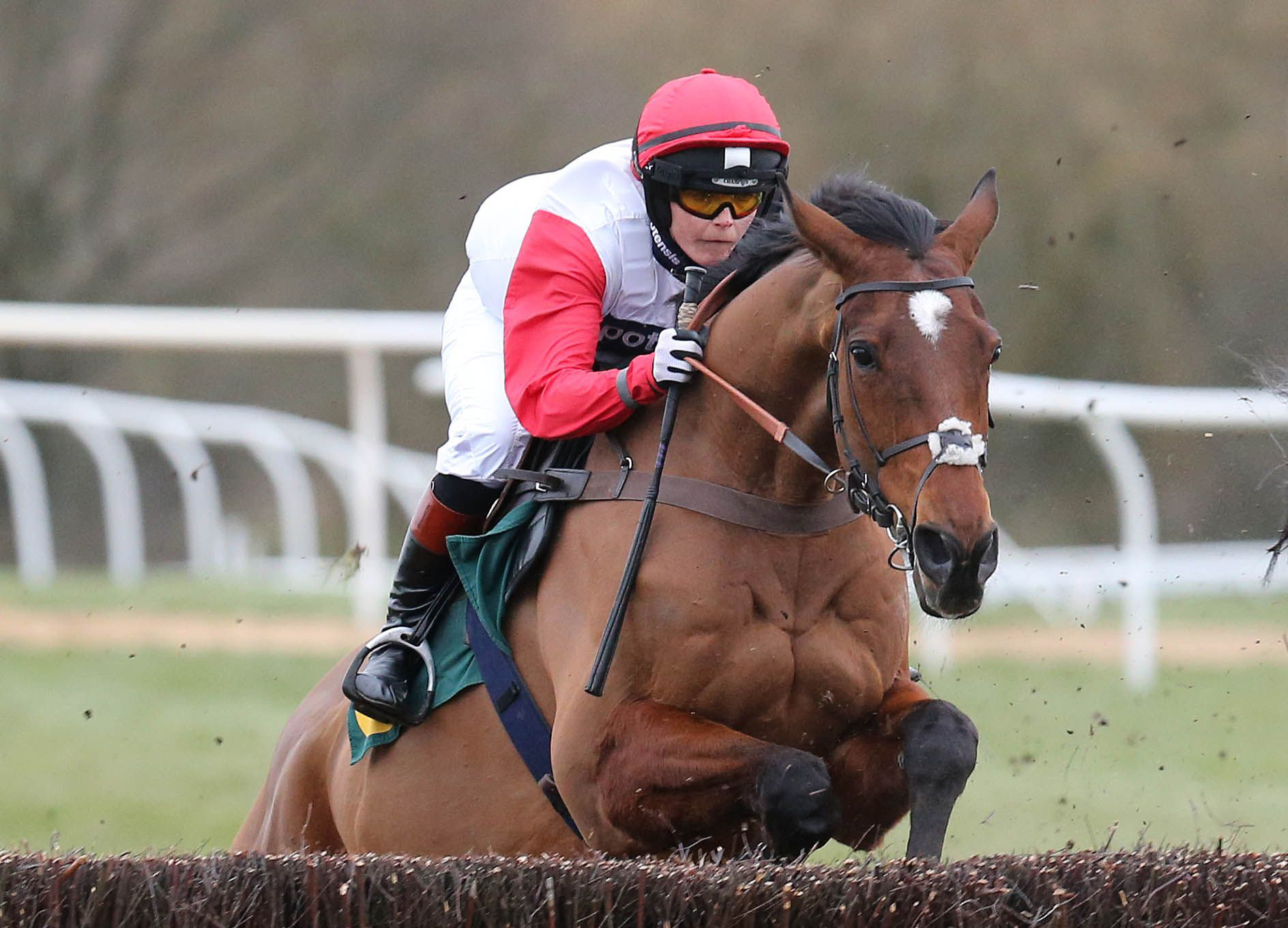
Victoria Pendleton in 2016 atFakenham Racecourse on Pacha Du Polder in the Grassroots Hunters’ Chase. Image: BPI / Shutterstock
Life’s so short and so precious. You realise that as you get older and start to lose people. So you have to make the most of everything that comes your way. I lost my father and my twin brother [Alex died in 2023, Max in 2025], and I lost one of my horses, one of my fur babies, who was the love of my life in the year in between. So make the most of the time you have with people. And be brave. Go for it. I would love my younger self to be braver and to worry less. It sounds so simple. But I wish it was possible to convey how important those things are.
There are so many incredible days in my life I would want to relive. But I would take one more ordinary day with my twin brother over any of them. We’d probably go to the bakery and buy him an iced bun, because he loved them. We might take our dogs for a walk together and get some food. We might just chat. I wouldn’t ask for more than a very ordinary day with my brother.
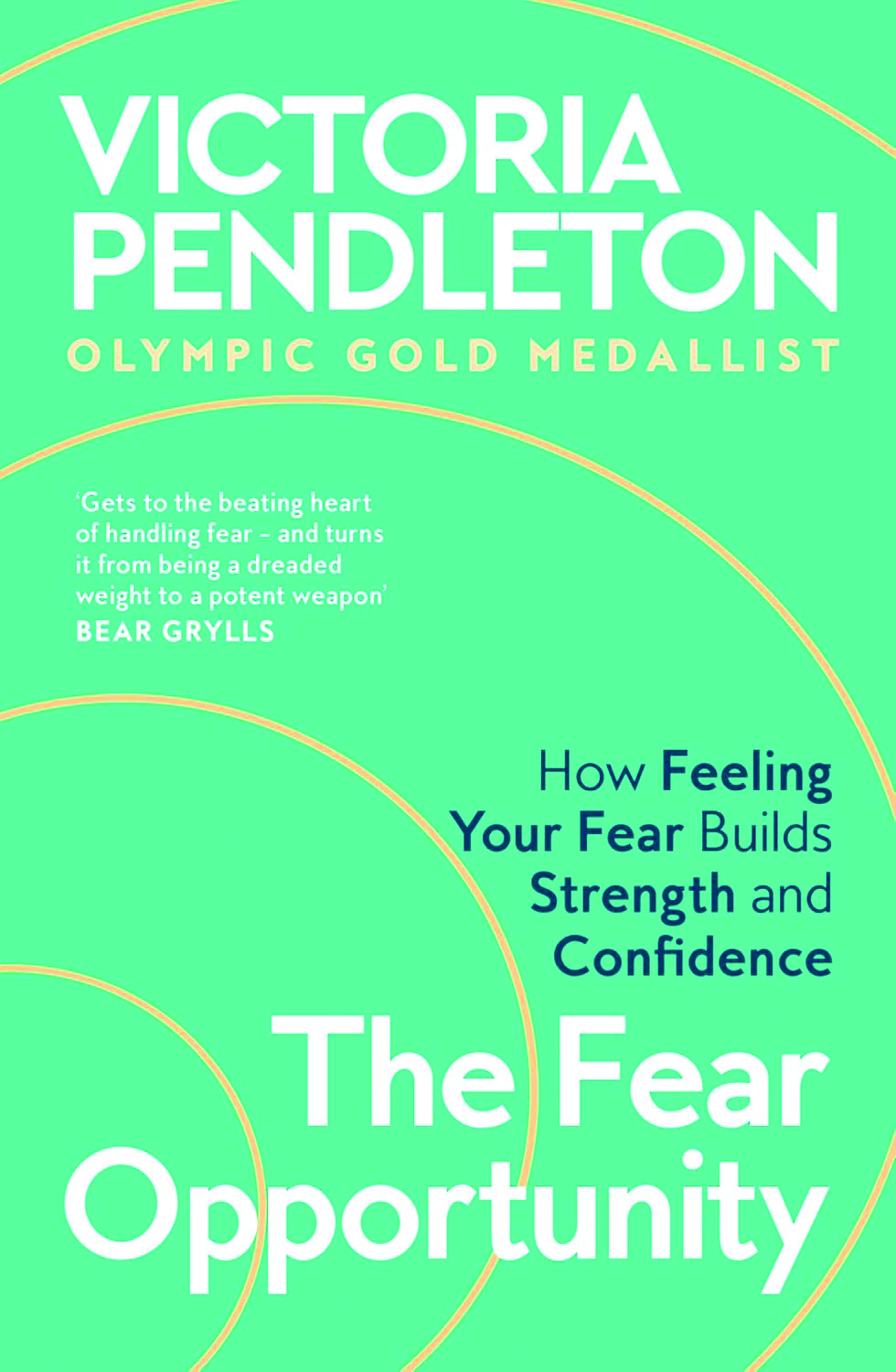
The Fear Opportunity by Victoria Pendleton is out now (Pan Macmillan, £16.99). You can buy it from the Big Issue shop on bookshop.org, which helps to support Big Issue and independent bookshops.
Buy from your local Big Issue vendor every week – and always take the magazine. It’s how vendors earn with dignity and move forward.
You can also support online: Subscribe to the magazine or support our work with a monthly gift. Your support helps vendors earn, learn and thrive while strengthening our frontline services.
Thank you for standing with Big Issue vendors.
Advertising helps fund Big Issue’s mission to end poverty