Advertising helps fund Big Issue’s mission to end poverty
Health

Commuters urged to save a life through small talk

Striking up a conversation can go a long way as the public are encouraged to talk in a bid to stop suicides on Britain's railways

Commuters have been asked to pull out headphones and put down best sellers to help tackle suicides on the rail network through small talk in a new campaign.

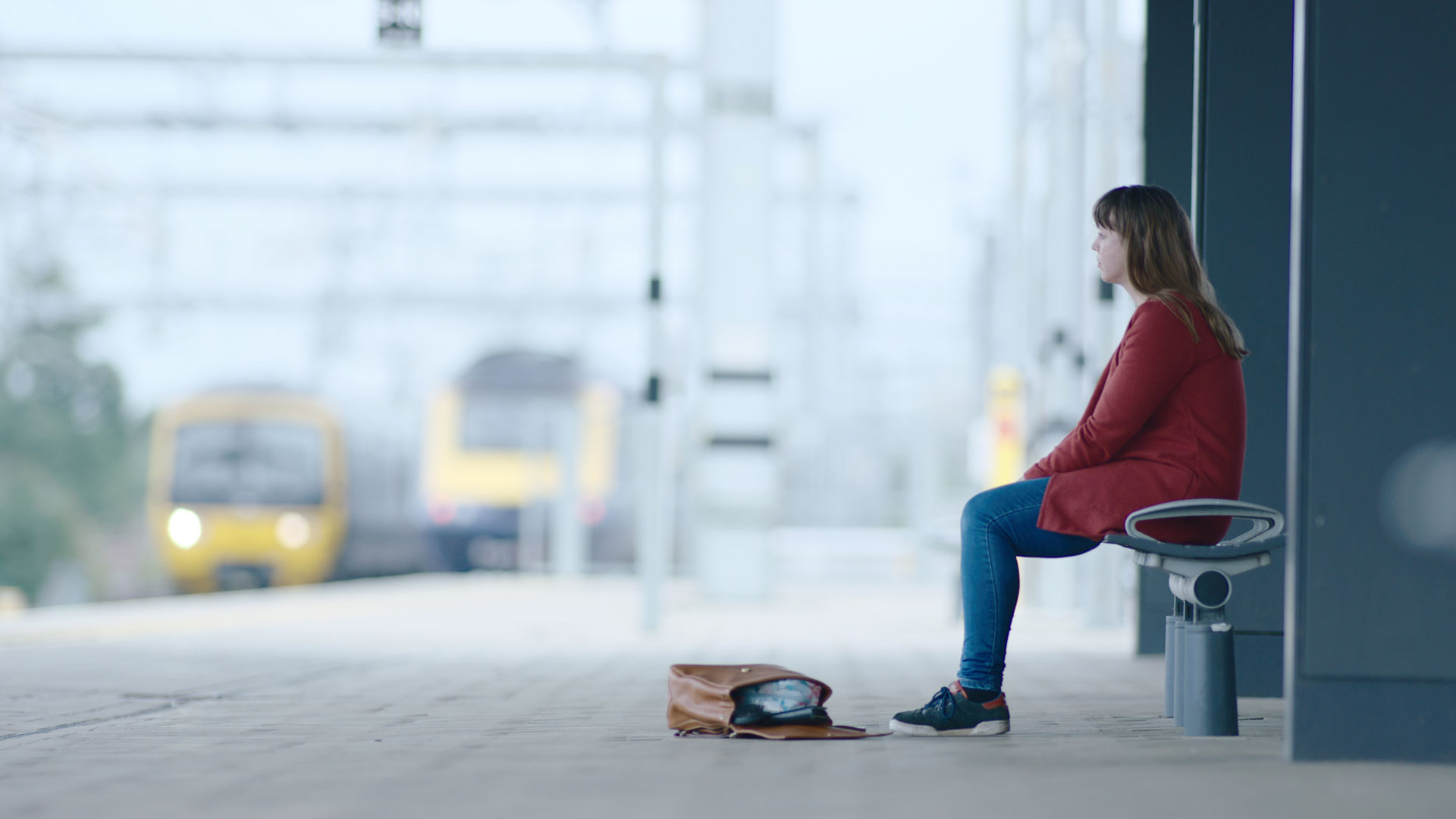
A total of 273 people died in suicide incidents on Britain’s railways in 2016/17. The Small Talk Saves Lives campaign hopes to curb that number by highlighting ‘life-saving questions’ which commuters can use to intervene and interrupt the suicidal thoughts of those who might be at risk of suicide on or around the rail network; such as asking someone’s name, what train they planned on getting, or even simply commenting on the weather.

The campaign urges passengers to notice warning signs, such as standing alone and isolated, looking distant or withdrawn, staying on the platform for a long time without boarding a train, or displaying something out of the ordinary in their behaviour or appearance, however stressed there is no single sign of combination of behaviours but that the public should act if they see something that “doesn’t feel right”.

Supported by British Transport Police, Network Rail and Samaritans, a survey of 5,000 passengers found that the majority are willing to play a role in stopping suicides.

More than four out of five (83%) passengers say they would approach someone who may be suicidal if they knew the signs to look for, what to say and that they would not make the situation worse.

Advertising helps fund Big Issue’s mission to end poverty

Ian Stevens, who manages Network Rail’s suicide prevention programme, said: “Given that nearly five million journeys are made by train every day, we are asking for passengers to work alongside our staff as the eyes and ears of the railway, helping us to keep everybody safe.

“If it were your loved one, a daughter or son, husband or wife who was going through an emotional crisis, wouldn’t you hope that somebody took the time to stop and ask if they were ok? Even if in doubt, you can always report concerns to a member of staff or a police officer, but please act if your instinct is telling you that something is wrong.”

Continue reading for free

Registration is free and takes less than 30 seconds.

Our supporters make Big Issue’s work possible. Join us to see the impact we’re having together and discover more ways to help people facing poverty access income, opportunity and support.

Watch the Pride special collection.

Our LGBTQ+ film playlist offers a new and interesting angle on LGBTQ+ love and struggle – giving an international overview by taking us inside some of the most and least sexually liberated countries in the world.  

Sign Up Now
Advertising helps fund Big Issue’s mission to end poverty

Do you know how Big Issue 'really' works?

Watch this simple explanation.

Recommended for you

View all
David Baddiel: 'My worst moment was telling my dad my mum died. I had to tell him again and again'
Dementia

David Baddiel: 'My worst moment was telling my dad my mum died. I had to tell him again and again'

Hundreds of ex-rugby players with brain injury demand answers: 'One hit could kill them'
Alix Popham tackles Argentina’s Juan Martin at an international in Cardiff, 2007. Image: Matt Dunham / AP Photo / Alamy
Contact sports

Hundreds of ex-rugby players with brain injury demand answers: 'One hit could kill them'

‘I was diagnosed with dementia almost a decade ago but life is for the living. You can’t hold back’ 
Olive Munro and her husband Ronnie. Image: Alzheimer's Research UK
Dementia

‘I was diagnosed with dementia almost a decade ago but life is for the living. You can’t hold back’ 

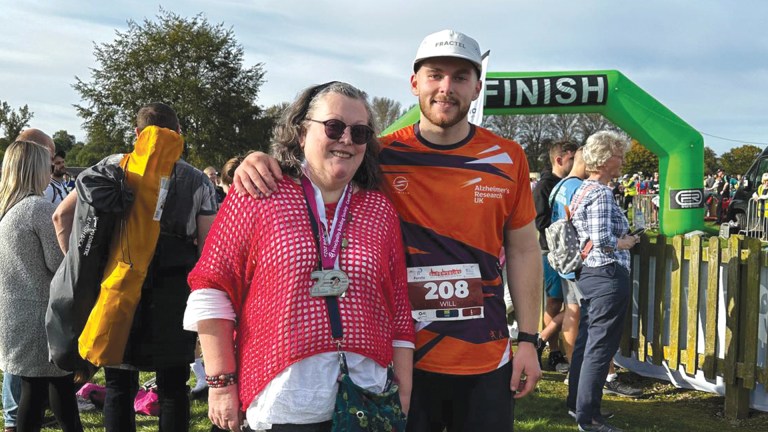
'I’ve been axe throwing and tractor riding since being diagnosed with Alzheimer's’ 
Ronnie Dean and her son Will
Alzheimer's

'I’ve been axe throwing and tractor riding since being diagnosed with Alzheimer's’