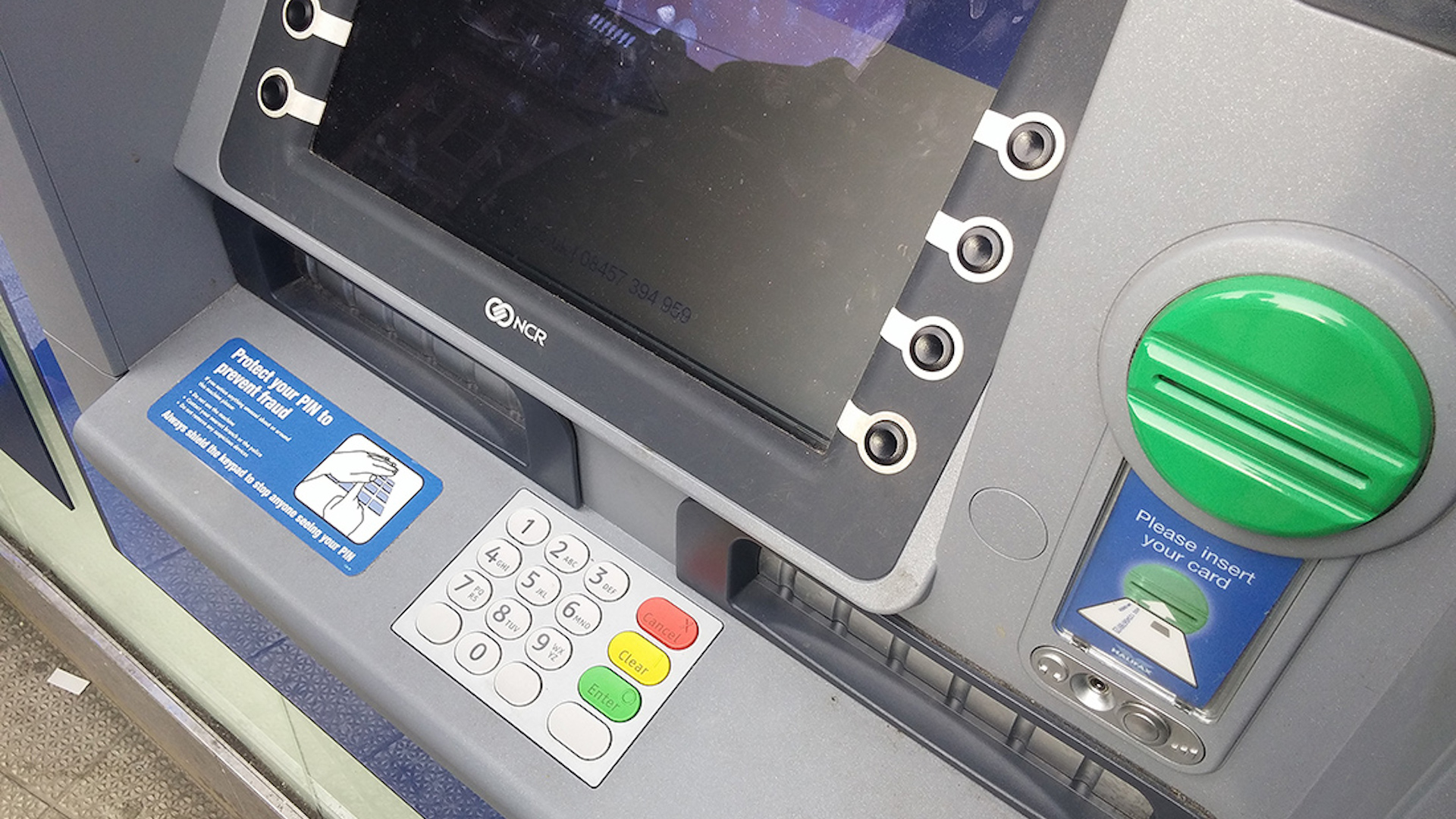
Their latest research revealed that between January 2018 and December 2020 the number of free-to-use cash machines fell by up to 27 per cent across the country. While some have been withdrawn others have been replaced by machines that charge up to £2 to use — many installed in the poorest areas.
Across three locations within the top 10 per cent for deprivation in England, all saw a reduction in free-to-use ATMs and an increase in pay-to-use machines.
In Hall Green and Hodge Hill, Birmingham, free-to-use ATMs fell by 44 percent and 40 per cent respectively, but both saw a 59 per cent increase in pay-to-use machines. It’s a similar story in Nottingham East where 43 per cent of free cash machines closed, but they saw an 11 per cent increase in pay-to-use machines.
Keep reading the journalism that powers our mission
Register free to continue and learn more about the stories, campaigns and the support we provide, helping people facing poverty across the UK.
The greatest jump came in Glasgow North West where pay-to-use cashpoints shot up from 11 to 34 — an increase of 209 per cent. The number of free machines fell from 86 to 47.
Natalie Ceeney, chair of the Access to Cash Review, said: “There are many reasons why people still need cash, particularly the most vulnerable. If you are one of the 1.4 million people in the UK without a bank account, if you don’t have a smartphone, if you don’t have broadband, or if you value cash as a way of budgeting, then cash is better for you than digital payments.
“Recent research from the financial regulator, the Financial Conduct Authority, shows even during the pandemic, when more of us are going digital, five million people still rely on cash.
“Therefore it’s vital that we manage the cash infrastructure in a way that protects access for those who need for as long as we need it. We do not want a situation where all the ATMs and bank branches are in clustered in big towns and cities, away from those who need and rely upon them.”
The Which? report said: “The results from our latest research are particularly concerning as previous research has shown that those in more deprived areas are more likely to use cash.
“We believe people must be supported to make the transition to online banking where possible. But it is vital that the government also brings forward legislation to ensure appropriate provision of local and free access to cash remains viable nationwide for the foreseeable future.”