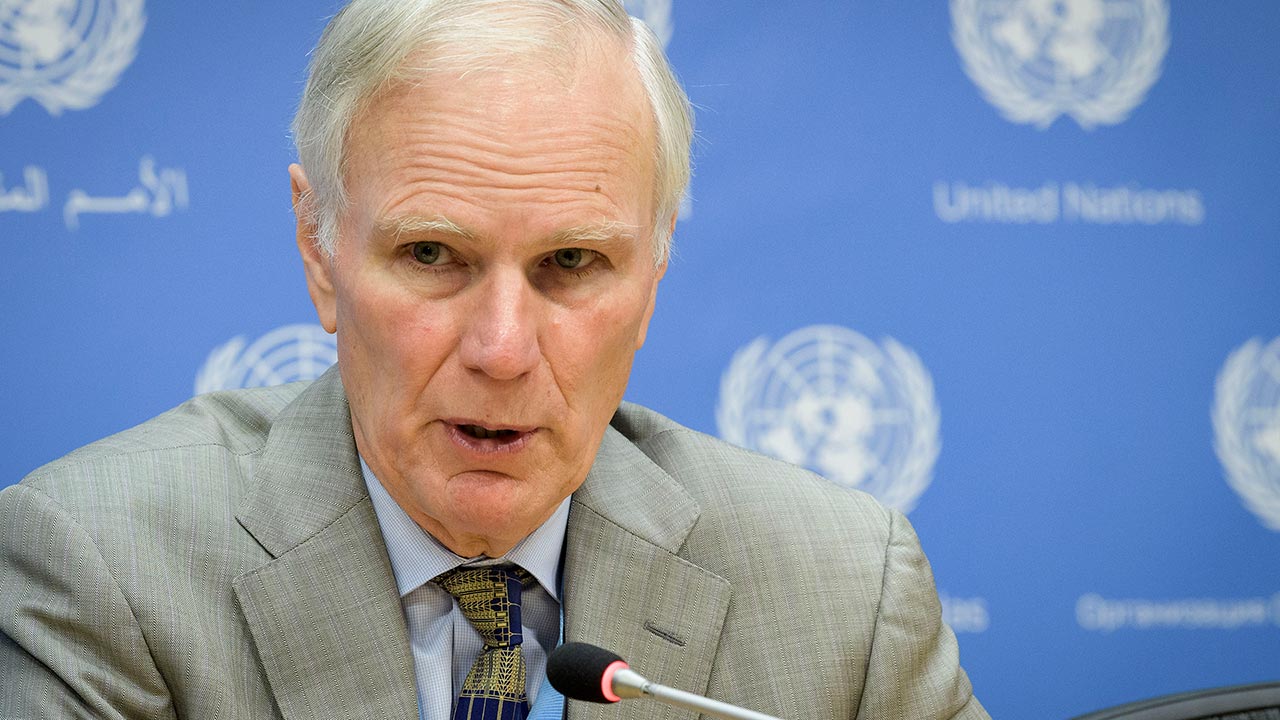
Alston added: “Governments have shut down entire countries without making even minimal efforts to ensure people can get by. Many in poverty live day to day, with no savings or surplus food. And of course, homeless people cannot simply stay home.”
The statement also warned that the coronavirus crisis could push more than half a billion extra people into poverty. It cited the International Labour Organization estimate that the equivalent of almost 200 million full-time jobs will disappear in the coming months.
Mr Alston’s comments come as child poverty campaigners call for an emergency child benefit boost for families plunged deeper into poverty by the crisis.
Keep reading the journalism that powers our mission
Register free to continue and learn more about the stories, campaigns and the support we provide, helping people facing poverty across the UK.
Charities Turn2us, Action for Children and the Joseph Rowntree Foundation have all called for the government to increase child benefit following research that showed over 10.5 million children are having financial crisis due to the pandemic.
Their calls follow a letter sent to the Chancellor, Rishi Sunak, by groups including Child Poverty Action Group, Barnardo’s, Women’s Aid and the Trussell Trust demanding an extra £10 a week in child benefits to help families through the public health emergency.
Sunak’s emergency coronavirus measures have included increases in Universal Credit and working tax credit to help families deal with the economic impacts of coronavirus. However, child benefits — which had been subject to freezes since 2011 — rose this month in line with inflation only, as decided prior to the crisis.
Meanwhile, homelessness activists recently wrote to the government demanding urgent action, claiming that local authority efforts to house rough sleepers had not gone far enough.
Despite the government asking local authorities in England to move all homeless people into hostels at the end of March, campaigners claimed that too many barriers to support still existed.
They cited stories of councils “denying help to people on the basis of them not having a local connection to the area”, or turning away people who have no recourse to public funds, including asylum seekers.
Elsewhere, The Food Foundation has warned that the virus could have a devastating impact on rates of food poverty.
The government started delivered food packages to some of the 1.5 million people it determined to be clinically vulnerable in late March.
However, the charity has said that, without the right support, those who are economically vulnerable and food insecure may find themselves battling illness, hunger and debt.
Image: UN