Yet the UK’s efforts do not stop there: Home Secretary Priti Patel met her French counterpart in August to draw up another action plan to “intensify” their joint efforts, which will see more resources going towards interceptions and shared intelligence systems. The Home Office is also flirting with the idea of using long-range thermal cameras at the cost of £2m to detect when boats depart France as well as next-generation lorry scanners to locate stowaways in freight trucks.
The Home Office suggests the security measures are necessary to catch smugglers and traffickers – those who exploit refugees’ vulnerability for financial gain. However, it is the smuggled and trafficked who face the wrath of border forces.
Despite popular belief, those claiming asylum cannot be punished for exercising their international human right. To claim asylum in the UK, an individual must be unable to return to their country of residence due to a fear of persecution. This can be because of race, religion, nationality, political opinion or membership of a particular social group.
Continue reading for free
Registration is free and takes less than 30 seconds.
Our supporters make Big Issue’s work possible. Join us to see the impact we’re having together and discover more ways to help people facing poverty access income, opportunity and support.
In the absence of safe legal migration routes, asylum seekers are permitted to enter via lorries and dinghies or any other means. Article 31 of the UN refugee convention protects them from being penalised for entering illegally, meaning those who swim or kayak the Channel, or those who cling to the undercarriages of lorries for hours, or those who give their life savings to smugglers so they can access overcrowded inflatable boats cannot not punished for doing so.
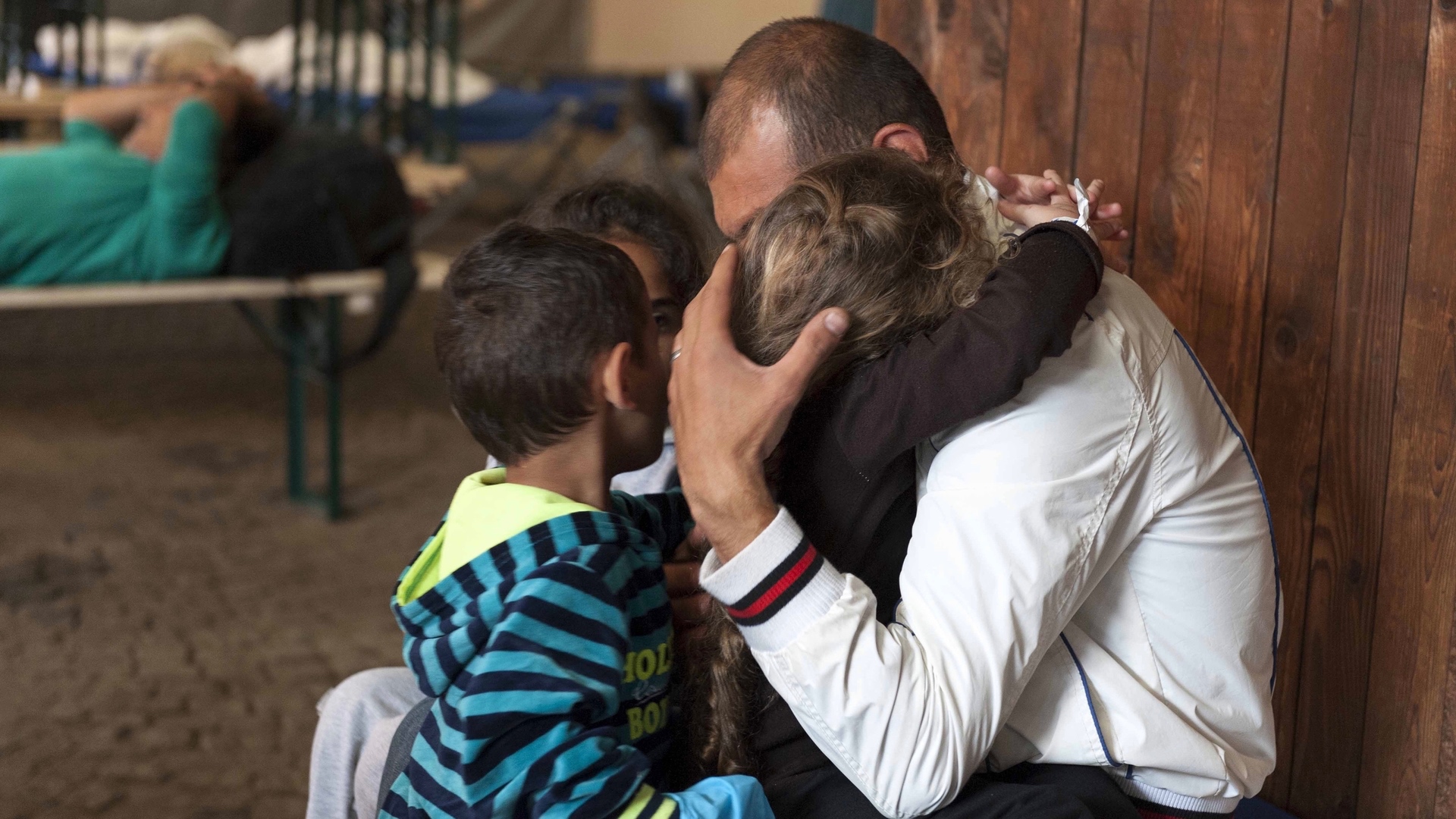
The EU’s solution to get around the law and to obstruct human rights is to litter the paths refugees cross with obstacles and technology, as if their journey isn’t difficult enough. What’s worse is that everybody knows that at least one third of refugees are children, many of whom arrive in foreign countries unaccompanied and alone.
If the UK were serious about preserving life, it would end this perverse game of cat and mouse by allowing asylum seekers to lodge their claim abroad while border forces would facilitate and escort their travel. Land routes would also be reopened so migrants weren’t tempted to cross the Mediterranean or the Channel, which Kent police describe as like “trying to cross the M25 at rush hour on foot”. Boats in distress, at a bare minimum, would also be rescued and safely escorted. The cost of these methods surely cannot outweigh the cost of human life racking up under the current measures.
Advertising helps fund Big Issue’s mission to end poverty
The millions of pounds’ worth of investment in stopping asylum seekers appear to have been racked up for no other reason than political point scoring or keeping up with the Joneses: the UK welcomes disproportionately fewer refugees than the other EU member states – tens of thousands less. And that’s not considering the cost of deportation or detention, where the UK holds individuals indefinitely for £87.71 per person a day while those outside of detention are prohibited from working, receiving only £37.75 a week in financial aid until they receive refugee status, which can take months or years.
The strain on British taxpayers would be lifted if the Home Office allowed asylum seekers to work while they waited. Such a move would be cheaper and come with far greater returns: working migrants contribute far more to the public purse than native Britons. They pay taxes, upfront NHS charges and don’t have access to public funds until they are eligible for settlement such as British citizenship – which is a decade-long wait.
Some voters may like to imagine Great Britain as an impenetrable island, hugged by barbed wire and patrolled 24-7 by dogs and drones. But as long as wars are waged, climate change continues to accelerate, inequality and poverty remain rife and unrest prevails around the world, there will be displaced people – and migration. The Home Office is bound by law to protect them, whether the British public or MPs like it or not.
Olivia Bridge is a political correspondent for the Immigration Advice Service.