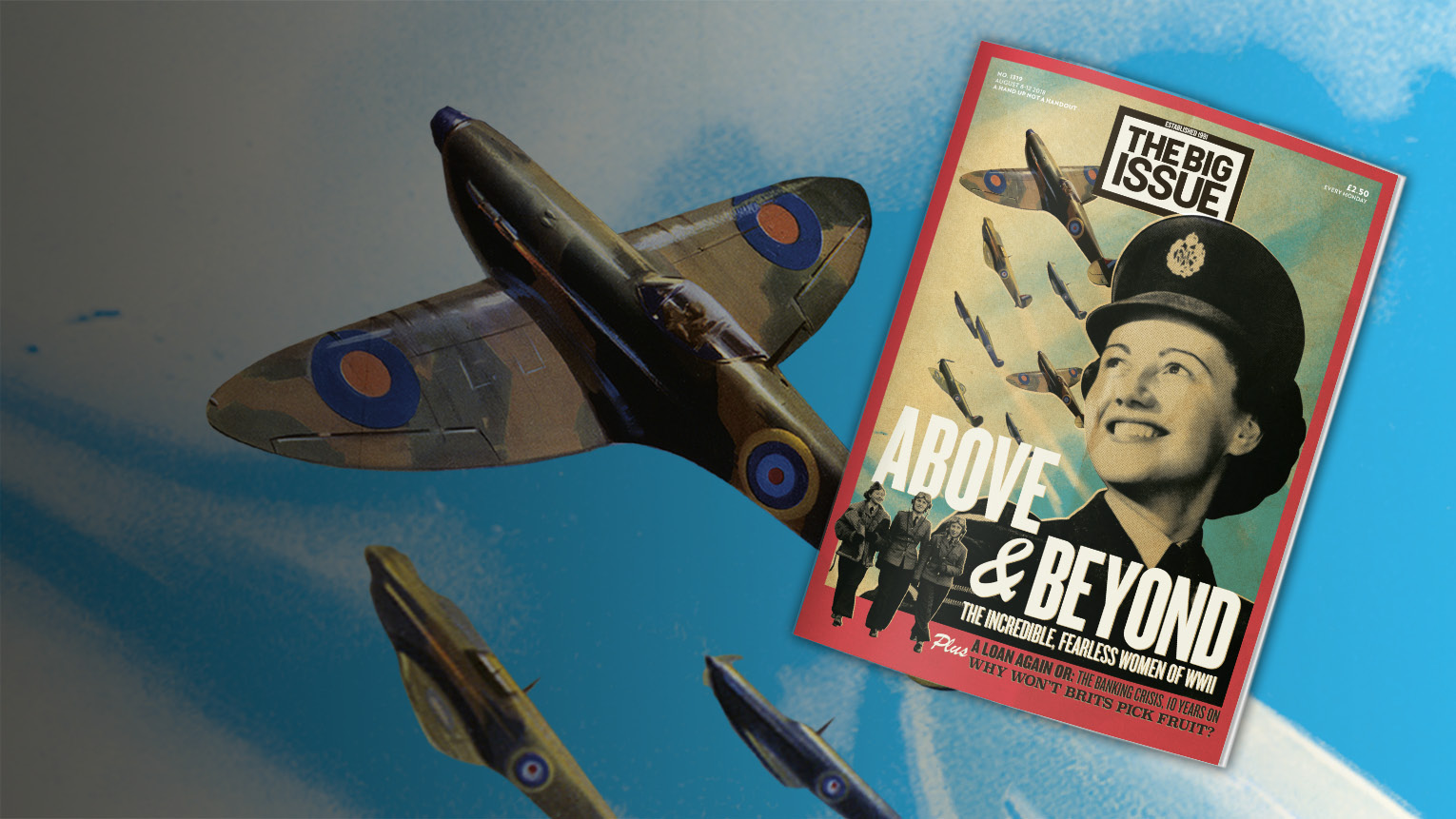
Initially they were barred from flying fighter planes like Spitfires and Hurricanes, and not allowed to pilot the big bombers either. Eventually though, Pauline Gower managed to persuade those at the top that women could do the job just as well as the men and they ended up flying over 100 types of aircraft. They often flew planes at a moment’s notice they had never seen before, and they had to learn on the spot with the help of a small book of Ferry Pilots Notes in their pocket.
When they arrived at RAF aerodromes in Spitfires, Hurricanes and bombers they turned a few heads, and faced some prejudice from those who refused to believe they should be doing the job. The women were being paid around 20 per cent less than their male counterparts for doing the same work, and in 1943 Pauline Gower went to battle again and secured equal pay for the women – making the ATA one of the country’s first equal opportunities employers.
The ATA played a crucial role keeping the RAF supplied with planes, but when the conflict ended not all of the women were able to continue flying. Old prejudices returned and many returned to what were considered to be more ‘appropriate’ jobs
Nearly 180 women joined the ATA, and by 1944 the ATA was training women from scratch who had never even set foot in a plane before. They were a mixed bunch of characters from across the country, and across social classes. They included aristocracy, university graduates, athletes and sportswomen, and those from less well-off background for whom the war had given them this remarkable opportunity. The job could also be dangerous though. They flew without any radios and faced not only bad weather but barrage balloons and even accidental anti-aircraft fire from the Allied side. Almost everyone lost friends and loved ones during the conflict and 15 airwomen from the ATA lost their lives, including Amy Johnson, who went off course in bad weather. She bailed out over the Thames Estuary but her body was never found.
Continue reading for free
Registration is free and takes less than 30 seconds.
Our supporters make Big Issue’s work possible. Join us to see the impact we’re having together and discover more ways to help people facing poverty access income, opportunity and support.
As D-Day approached, the woman pilots of the ATA played a crucial role. At the women’s pool in Hamble, near Southampton, preparations for the invasion of occupied France to defeat Hitler took place. The town and surrounding waters became filled with tanks and ships and trucks and floating pontoons ready to take troops across the Channel. Hundreds of aircraft were ferried by the women from factories to squadrons in readiness, including Spitfires and Typhoons.
The ATA played a crucial role keeping the RAF supplied with planes, but when the conflict ended not all of the women were able to continue flying. Old prejudices returned and many returned to what were considered to be more ‘appropriate’ jobs.
Advertising helps fund Big Issue’s mission to end poverty
A few female ATA pilots went on to achieve great things in aviation though. South African pilot Jackie Moggridge became the UK’s commercial first airline captain, and she was awarded her RAF wings in the Fifties, long before women were generally accepted into the RAF. Others went on to become film stunt pilots, break the sound barrier, set up aviation businesses and inspire other women to take up flying.
Nearly 80 years after the war started, the battle over equal pay for equal work continues and prejudice still hold girls many back from taking up jobs considered to be men’s work. But opinions are changing and the women of the ATA remain an inspiration.
Jo Wheeler’s The Hurricane Girls is out now (Penguin, £7.99)