In any vast public service, change is inevitably slow, and reformers currently face a Conservative administration, stubbornly wedded to old-fashioned educational ideas, with a large Parliamentary majority.
But public opinion can be shifted, even if the politicians can’t. (They will catch up eventually.) Here, I want to identify just three elements of necessary future reform, if we are to create a system fit for modern purpose.
Our first aim should be to rethink some basic goals of our education system, to keep in mind the impact of any policy change on all children, not just the most affluent or academic.
Continue reading for free
Registration is free and takes less than 30 seconds.
Our supporters make Big Issue’s work possible. Join us to see the impact we’re having together and discover more ways to help people facing poverty access income, opportunity and support.
Big Issue founder and cross-bench peer John Bird has recently introduced a Future Generations Bill into the Lords which, if passed, would require governments to consider the long-term impact of all policy proposals.
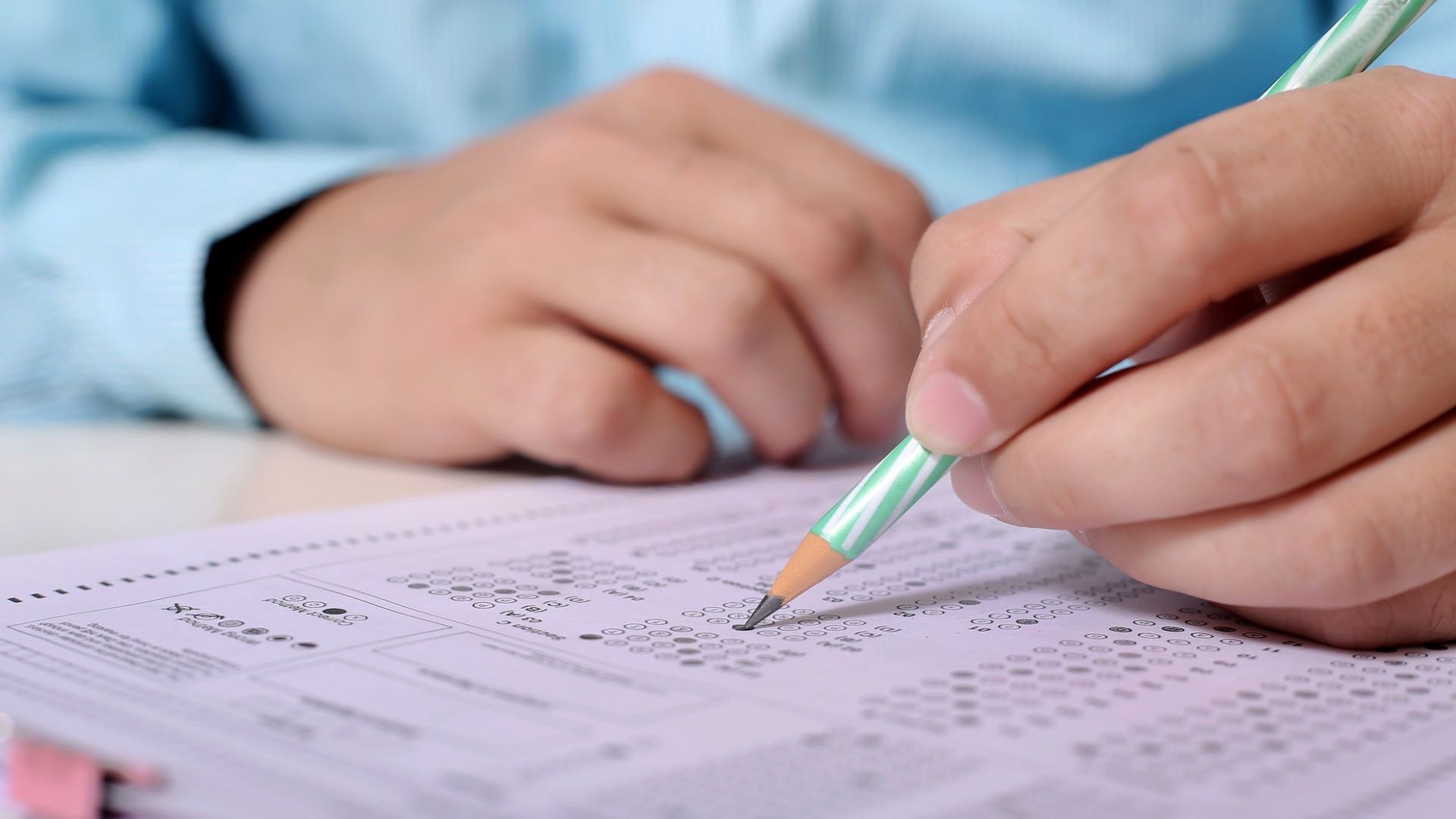
Such a future-proofing test might have called a necessary pause to Michael Gove’s radical overhaul of our exam system in 2014 which has led to such stress and demoralisation in so many schools. It would certainly call into question the notable gap in spending between better off and poorer communities.
For this, surely, is a second fundamental aim of school reform: to equalise educational resources. Let’s start with abolition of charitable status for private schools (private schools in Scotland will lose their charitable rate relief next year), add VAT to private school fees (with the income going directly to the state sector) and fairer access to university for students from poorer homes. We should also end admissions tests to secondary schools that promote social or ethnic segregation, and boost funding to schools and areas that need it most.
Advertising helps fund Big Issue’s mission to end poverty
Some of our most exciting schools are already doing things differently
Finally, we urgently need to make the experience of education more relevant and engaging. There has been a worrying drop in the take up of arts subjects in recent years, which must be reversed, and pupils need more relevant subject content. One inspiring development is the current campaign for a new natural history GCSE, which if endorsed, will encourage young people to learn about, connect
with and campaign to save our fast-vanishing natural world.
It is also time for a serious debate on phasing out GCSEs. There is no need to get rid of exams entirely; instead, let’s make them just one element in a broader suite of assessments including oral presentations, extended projects, engagement in the community and the creation of portfolios that can showcase the true breadth of a pupil’s work.
Some of our most exciting schools are already doing things differently. At XP Doncaster, rated outstanding across the board, ‘expeditionary learning’ puts pupils to work in teams to solve real-life problems. School 21 in East London encourages oracy – the art of effective speaking – from the beginning of the secondary years. Pupil confidence, and exam results, rise accordingly.
We know that only a minority of young people thrive in an intense exam-oriented atmosphere, and that we can develop more flexible and imaginative forms of assessment. Let’s make schools places where a love for learning is stimulated for life rather than a dull, grinding experience that, for so many, ends in a handful of predictably disappointing results.
Melissa Benn is a writer, journalist and campaigner. She is co-author of The Truth About Our Schools (Routledge, £18.99)