Families were bearing the brunt of the “arbitrary and discriminatory” two-child limit, which has only recently been softened to exclude children born before April 2017 as well as the benefits freeze that has meant they get less due to inflation and rising food prices.
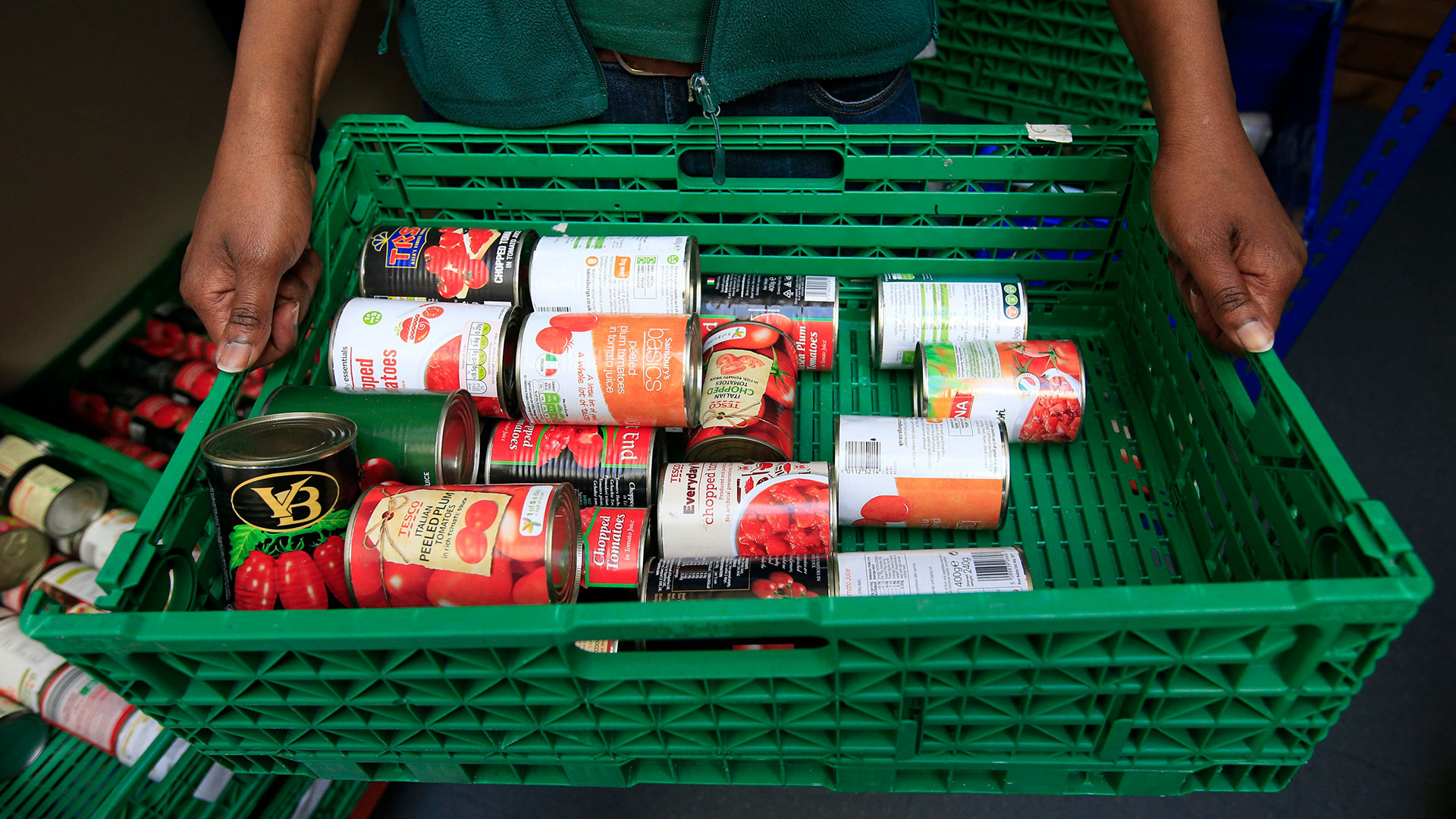
HRW also accuses the government of “largely ignoring and failing to act” on evidence of skyrocketing foodbank use and children going hungry at school.
And the first step towards fixing the structural policy issues that they claim are driving hunger would be for the government to treat the right to food on equal billing with other human rights.
Keep reading the journalism that powers our mission
Register free to continue and learn more about the stories, campaigns and the support we provide, helping people facing poverty across the UK.
This should be followed up with an anti-hunger strategy featuring a legal requirement to measure food insecurity and a requirement to report the results transparently to parliament, according to Kartik Raj, Western Europe researcher at Human Rights Watch.
“This rise in hunger has the UK government’s fingerprints all over it,” he said. “Standing aside and relying on charities to pick up the pieces of its cruel and harmful policies is unacceptable. The UK government needs to take urgent and concerted action to ensure that its poorest residents aren’t forced to go hungry.”
It is an important week for poverty and human rights with this report preceding UN Special Rapporteur Dr Philip Alston’s final report on his own investigation into the subject, which is set to be published on Wedneday.
The government was bullish in its response to his preliminary report in November, slamming it for its “political language” and has been just as confrontational with the HRW report, describing it as “misleading” in how it scales its findings to represent the whole of England.
But ministers have responded to HRW’s allegation that they are not keeping robust data – announcing that the DWP will develop a new poverty definition with the Social Metrics Commission to look beyond income for experimental statistics next year.
“We’re helping parents to move into work to give families the best opportunity to move out of poverty. And it’s working – employment is at a record high and children growing up in working households are five times less likely to be in relative poverty,” a government spokesperson said.
“We spend £95bn a year on working-age benefits and we’re supporting over one million of the country’s most disadvantaged children through free school meals. Meanwhile we’ve confirmed that the benefit freeze will end next year.”