Of course, people who purchased these rocks didn’t actually believe that their pet rocks could be faithful, obedient, or a have desire to “be at your side”. But even if it’s just pretending, the emotional bond that some developed with their mindless pet rocks was genuine. This behaviour clearly pleases us on some level.
And that’s where the biology question comes in. Why do we feel real pleasure when anthropomorphising objects? The answer is quite simple: humans are a tool-using species, and the better shape our tools are in, the more likely we are to survive. A well-cared-for tool can help us hunt, farm, or defend ourselves more effectively. And anthropomorphism is the key to caring for our tools.
Read more:
Keep reading the journalism that powers our mission
Register free to continue and learn more about the stories, campaigns and the support we provide, helping people facing poverty across the UK.
To understand how object-anthropomorphism night have evolved, imagine a scenario set one million years ago in Germany, where one of our early human Homo heidelbergensis ancestors (let’s name her Alice) is putting the final touches on a new spear that she’s just carved out of a spruce branch. It’s likely that Alice had a capacity for human-like language, so she might well have given a name to her new spear. Maybe she calls her spear Bob.
Once you give a name to an object it’s much easier to engage in anthropomorphism; to imagine or pretend that the object has cognitive capacities similar to our own. And once this happens, a moral obligation to treat the object kindly bubbles up in us.
We feel empathy towards other humans that we know have a capacity to suffer in ways similar to us, generating an ethical need to consider their wellbeing. So it’s no wonder that as soon as we ascribe any humanity to an object – even if we’re just pretending – we can’t help but activate that innate moral response.
Alice would likely have felt a hint of moral obligation to treat Bob (the spear) kindly. Maybe she felt compelled to store Bob in a safe location at night. Or oil and clean him regularly. This kind of caring behaviour means that Bob is far more likely to remain in usable condition than the unnamed spears of her peers.
If the ease with which Alice can anthropomorphise a spear is in any way a heritable trait, then this sets up a scenario where natural selection gets to work. Alice and her spear-loving offspring will be more successful hunters, and her capacity for anthropomorphising objects will spread through subsequent
generations, culminating one million years later in Willie Nelson risking his life to save his guitar from a housefire.
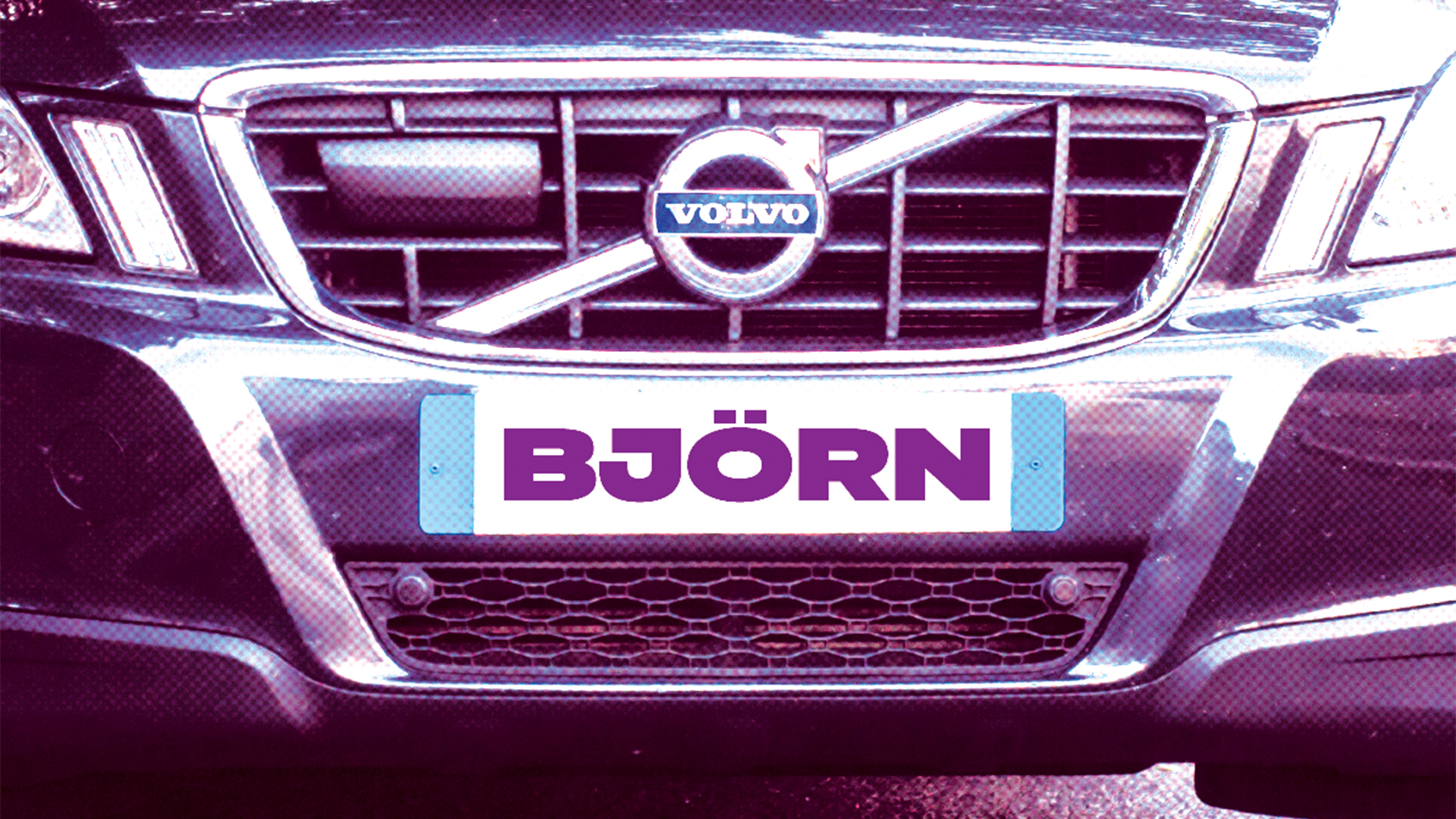
So if you ever find yourself, like me, mocked for crying over a lost stuffed animal, or feeling sad when ‘Björn’ the Volvo (my first car) was sold for parts, take solace. We all come from a long line of
object-anthropomorphisers, and it’s precisely this kind of big-hearted behaviour that has made us such a successful species.
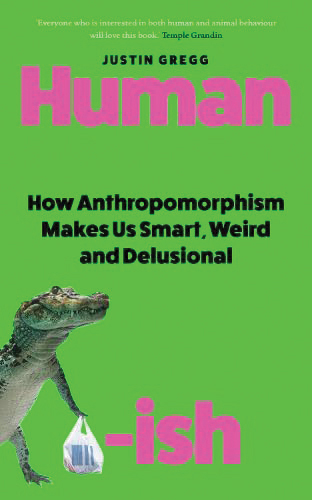
Human-ish: How Anthropomorphism Makes Us Smart, Weird and Delusional by Justin Gregg out now (Oneworld, £18.99).
You can buy it from the Big Issue shop on bookshop.org, which helps to support Big Issue and independent bookshops.
Do you have a story to tell or opinions to share about this? Get in touch and tell us more.
Change a vendor’s life this Christmas.
Buy from your local Big Issue vendor every week – or support online with a vendor support kit or a subscription – and help people work their way out of poverty with dignity.