Advertising helps fund Big Issue’s mission to end poverty
Advertorial from giffgaff

The credit lessons nobody teaches you

Good money habits formed young tend to last, but one of the most important pillars of our financial system – credit – is rarely taught.

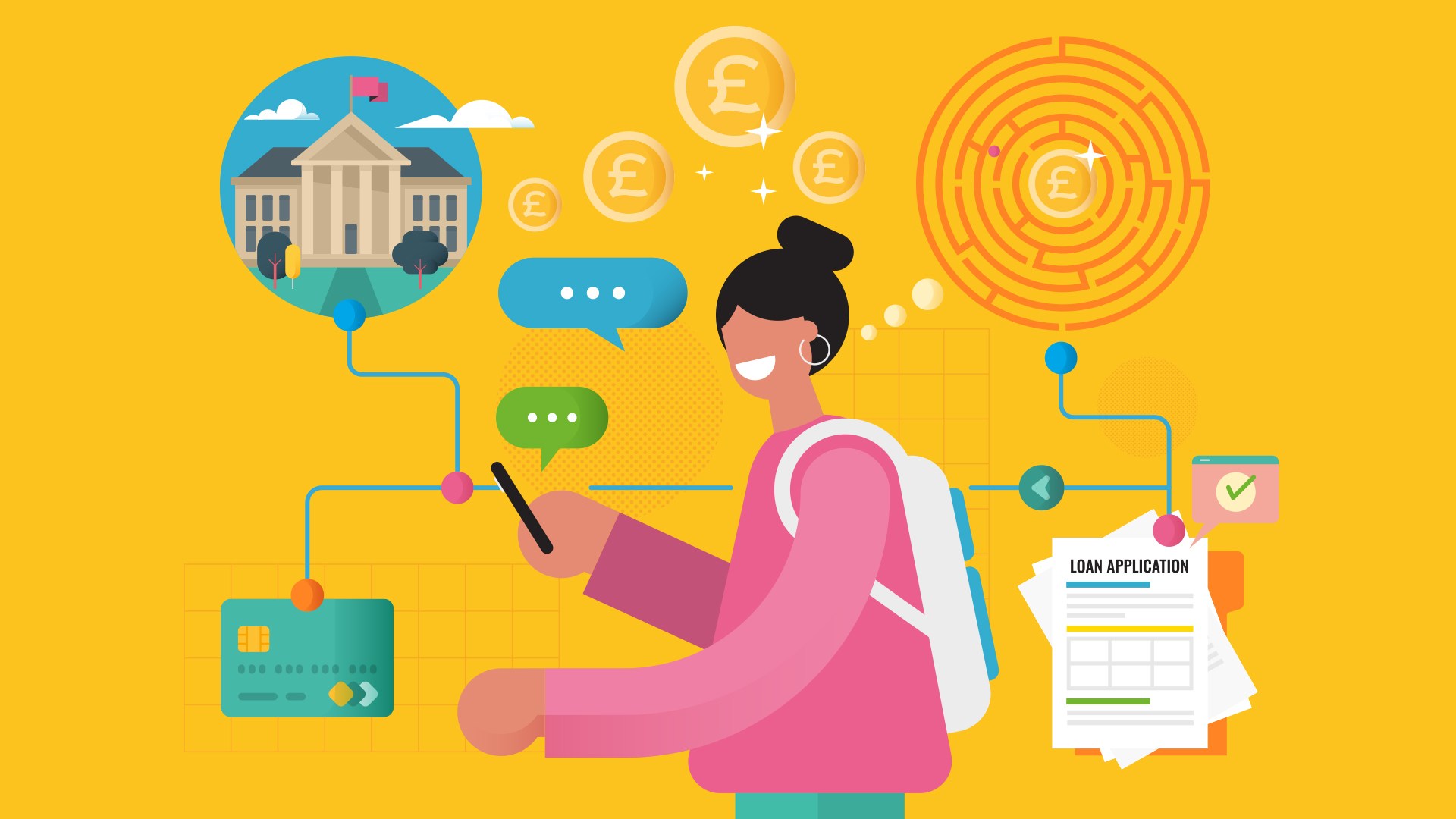
Illustration: Fernando Volken Togni

New research from connectivity network giffgaff found that 67% of people think young people aren’t well prepared to understand and manage their credit profile before taking out financial products. Just 7% say they first learnt about credit scores at school.

School seems the obvious place to fill this gap, but credit isn’t always covered well in the curriculum. So most people meet the credit system for the first time when they actually need it, and turn to search engines for answers. Many learn the hard way: a declined application, several applications in a short time leaving marks on their credit file, or a missed payment that stays on their report for years.

For many young people, their first brush with the credit system is getting a phone. Taking a handset on a monthly plan is a loan, with a credit check and an agreement that shows up on your file. It’s one reason giffgaff doesn’t credit check its plans: someone with little or no credit history can still get connected.

“At giffgaff, we don’t think getting connected should depend on your credit history, so we don’t run credit checks on our SIM plans,” said Georgina Bramall, Chief Marketing Officer. “But for many young people, buying a phone on a payment plan is the first time credit really comes into play. Understanding the basics before you sign anything makes a real difference.”

Here are three things worth knowing before you apply.

1. Your credit report and credit score aren’t the same thing

Your credit report is the record: your credit accounts, whether you’ve paid on time, and any applications you’ve made. Your credit score is a number worked out from that record. The UK has three main credit reference agencies, Experian, Equifax and TransUnion. Each calculates scores differently. Lenders use the information in your report, alongside their own criteria, to decide whether to lend to you.


Advertising helps fund Big Issue’s mission to end poverty

2. Looking at your own report won’t harm it

Checking your own credit report is free and doesn’t affect your score. It shows up as a “soft search”, which lenders can’t see. Applying for credit usually triggers a “hard search”, which stays on your file for around a year, and lots of applications in a short space of time can make lenders wary. If you want to know your chances before applying, look for an eligibility checker, which uses a soft search. Once you’re 18, it’s worth checking your report every so often. You’ll know where you stand and can spot any mistakes.

3. The price of borrowing is in the APR

Most credit costs more than the amount you borrow. The APR (annual percentage rate) shows the yearly cost, including interest and any compulsory fees, so it’s the easiest way to compare deals. Watch out for the word “representative”: the advertised rate only has to be offered to just over half of successful applicants, so yours could be higher. Before you sign, check the total amount you’ll repay, not just the monthly payment, and what happens if you miss one. Missed payments can stay on your report for six years.

Knowing the basics before you sign can save you from learning the hard way. If you’re 18 or over, checking your credit report today is a good place to start.

Keep reading the journalism that powers our mission

Register free to continue and learn more about the stories, campaigns and the support we provide, helping people facing poverty across the UK.

You can access your credit report for free through the UK’s three main credit reference agencies – Experian, Equifax and TransUnion. You’ll need an address history for the last few years. It’s worth checking your report with more than one agency.

Find out how giffgaff is up to good at giffgaff.com.

Advertising helps fund Big Issue’s mission to end poverty

There’s more than one way to make a difference

Big Issue vendors need you more than ever this Christmas.

Recommended for you

View all
Young people still want a human to help them with debt advice. AI chatbots won't cut it
young person on phone
Money

Young people still want a human to help them with debt advice. AI chatbots won't cut it

A future without worry, for generations to come
Advertorial

A future without worry, for generations to come

'I shed many tears, with no one to talk to, about my financial worries. It's no life'
pensioner yvonne
Experian

'I shed many tears, with no one to talk to, about my financial worries. It's no life'

Mr MoneyJar on the pros and cons of using AI as your financial adviser
Rotimi Merriman-Johnson, aka Mr Moneyjar. Image: Louise Haywood-Schiefer
Experian

Mr MoneyJar on the pros and cons of using AI as your financial adviser