'I was in a dark place with addiction and sofa surfing. Now I show people Manchester's hidden side'
Invisible Cities trains people affected by homelessness as walking tour guides, giving visitors a chance to hear stories beyond the tourist trail
by: Brontë Schiltz
19 Jul 2026
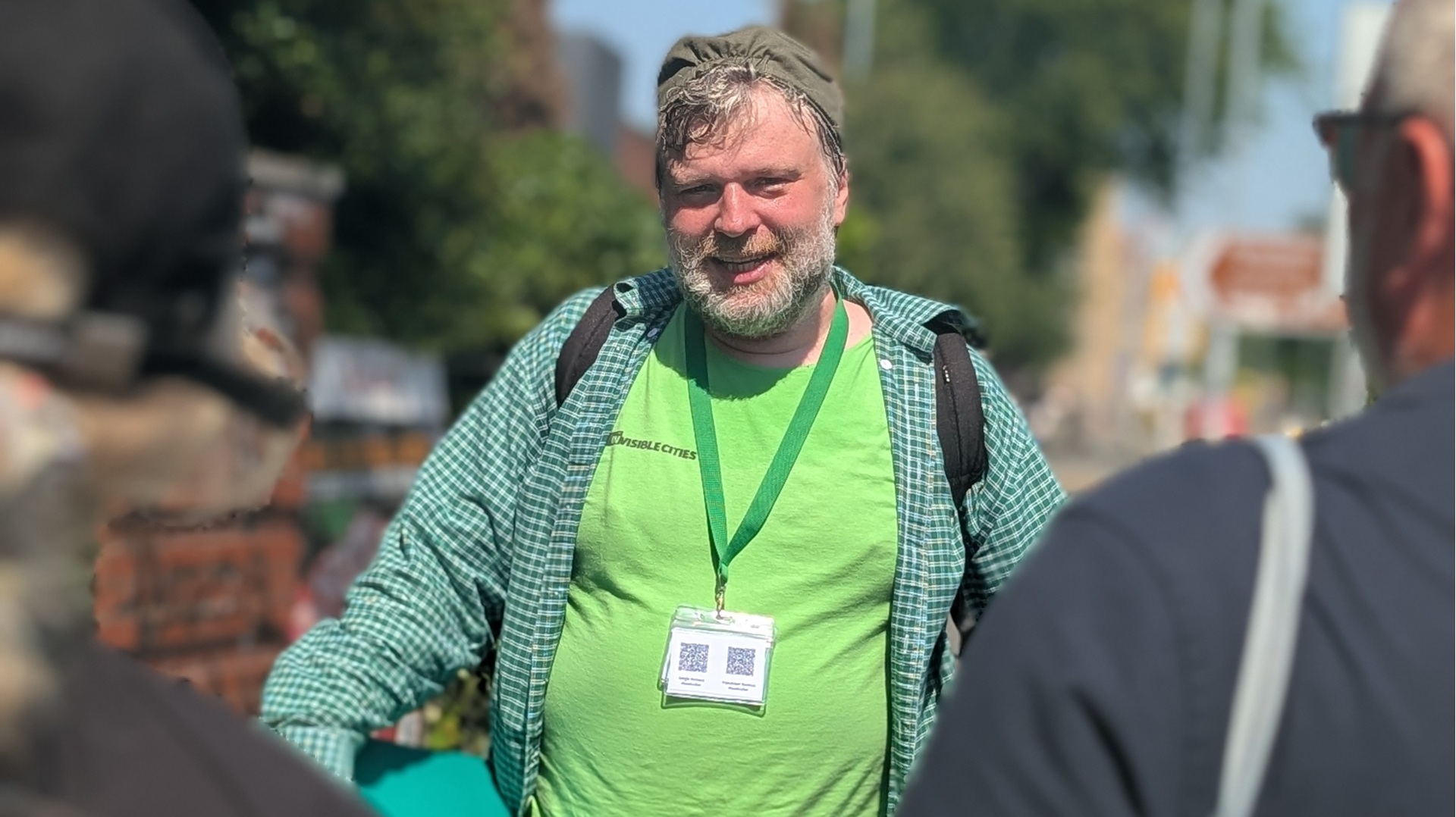
Nic gives tours od Manchester for Invisible Cities. Image: Invisible Cities
Share
To celebrate the organisation’s 10th anniversary, Invisible Cities guides are giving Big Issue a look at the cities they know inside-out. This week, Nic in Manchester is telling his story.
Meet Nic.
I’ve had a rather interesting journey, because I’m on the autistic spectrum, but I got diagnosed fairly late compared to some other kids these days, at about 16. In my twenties, I was in a dark place with depression, addiction, couch surfing and stuff like that, but thankfully I’ve managed to kick a lot of that in the butt. I live with my mum now, I look after her and she looks after me.
How did you get involved with Invisible Cities?
I got into Invisible Cities through [charity] Back On Track around six years back. At the beginning, I wasn’t really sure, but then I had a lot of fun with it. Being given the opportunity to go out and show people the lovely sights and history of the town is very rewarding.
What was it like becoming a tour guide during Covid?
Advertising helps fund Big Issue’s mission to end poverty
Advertising helps fund Big Issue’s mission to end poverty
It was very strange. They provided me with someone to practise my tour with, but I’d stop by, well, any place, and it’d be like, ‘Oh, I don’t know when this is going to open again!’
Your tour theme is music. What does Manchester’s music scene mean to you?
It’s definitely a rich legacy. In my research into my tours, I realised that it goes way, way back to the founding of the Hallé Orchestra [in 1858] and stuff like that. John Barbirolli at the Hallé did classical tours during the Second World War, and then in ’76, there was the Sex Pistols gig at the Lesser Free Trade Hall, it’s funny how it’s just been this long, winding road. Back in the day, me and some friends were almost part of that whole [nightclub and music venue] White Hotel scene in its early days – groups like The Louche and Naked (On Drugs), Emperor Zero, stuff like that.
Keep reading the journalism that powers our mission
Register free to continue and learn more about the stories, campaigns and the support we provide, helping people facing poverty across the UK.
What do you think of the prospect of Smiths superfan Andy Burnham getting into No 10?
I didn’t have any complaints about Burnham’s tenure as mayor, so fingers crossed! I hear he’s going to set up a northern No 10 in Manchester, so who knows what the future may bring. Maybe there’ll be another cultural explosion in the city – who knows?
Advertising helps fund Big Issue’s mission to end poverty
What is your favourite stop on your tour?
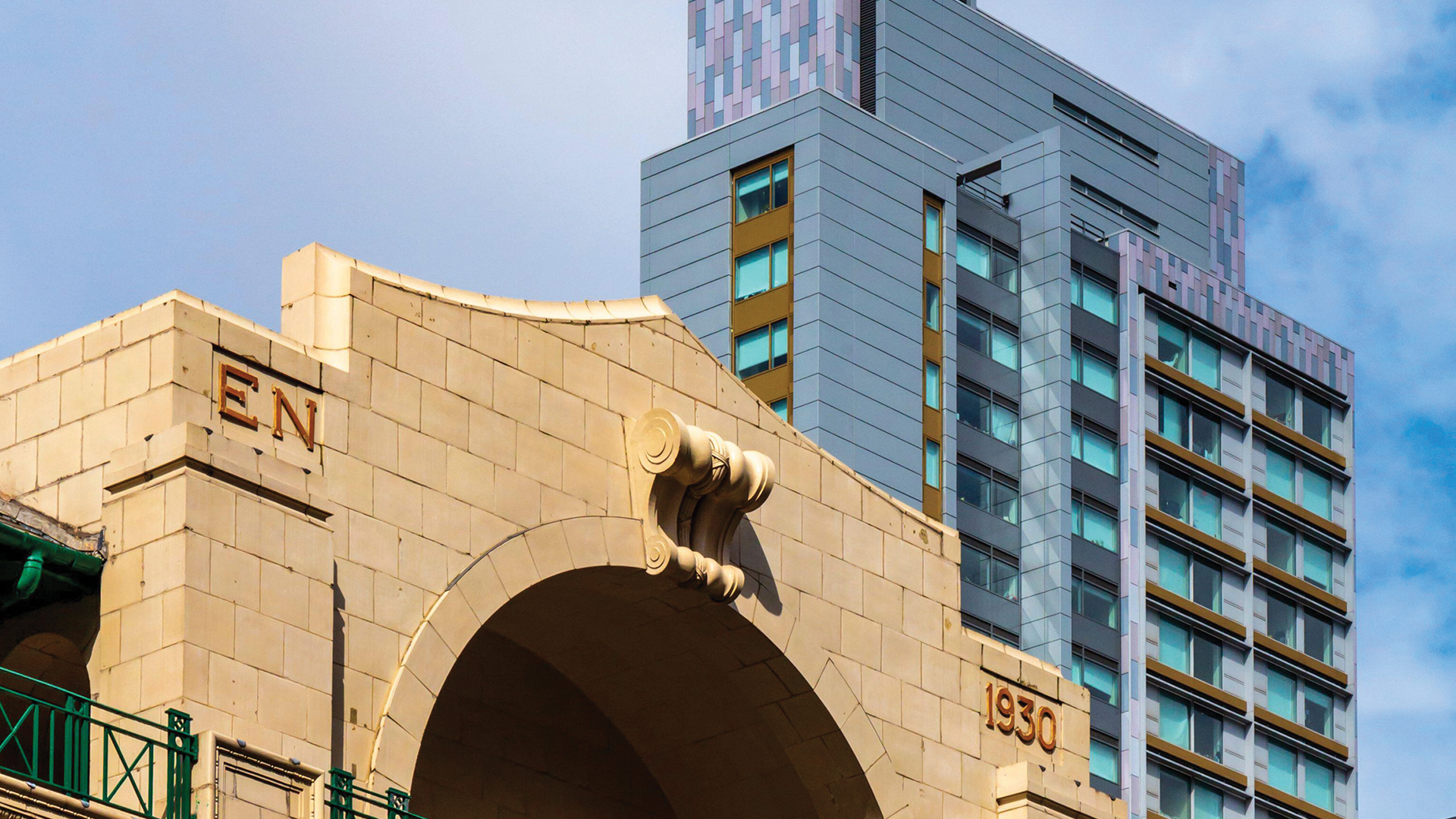
One of my favourite stops is The Dancehouse, which is a theatre and performance college these days. That’s a really good spot, because it’s quite a historic hidden gem. It was the world’s first multiplex cinema, which just blew me away when I was researching it! That’s the pleasure of it – you’ll start setting up a tour, and you end up learning a lot more about the city than you initially thought, so it’s great that you can get to share that with the lovely people who visit.
Buy from your local Big Issue vendor every week – and always take the magazine. It’s how vendors earn with dignity and move forward.
You can also support online: Subscribe to the magazine or support our work with a monthly gift. Your support helps vendors earn, learn and thrive while strengthening our frontline services.
Advertising helps fund Big Issue’s mission to end poverty
Thank you for standing with Big Issue vendors.
Advertising helps fund Big Issue’s mission to end poverty