That period also got me thinking about why churches are important now. In an age where many people date, order food, receive information go to work and have almost their entire social life over the medium of their laptop or phone, was there still a place for these amazing spaces. To work out whether they had a future, it meant delving into their history.
Read more:
What I found was that churches have been the places where the story of Christianity unfolded. I learned from them, and the stories they hold, about how Christianity developed from a small group of believers in a far-off province of the Roman Empire into the idea that has influenced the shape of the modern world more than any other.
Keep reading the journalism that powers our mission
Register free to continue and learn more about the stories, campaigns and the support we provide, helping people facing poverty across the UK.
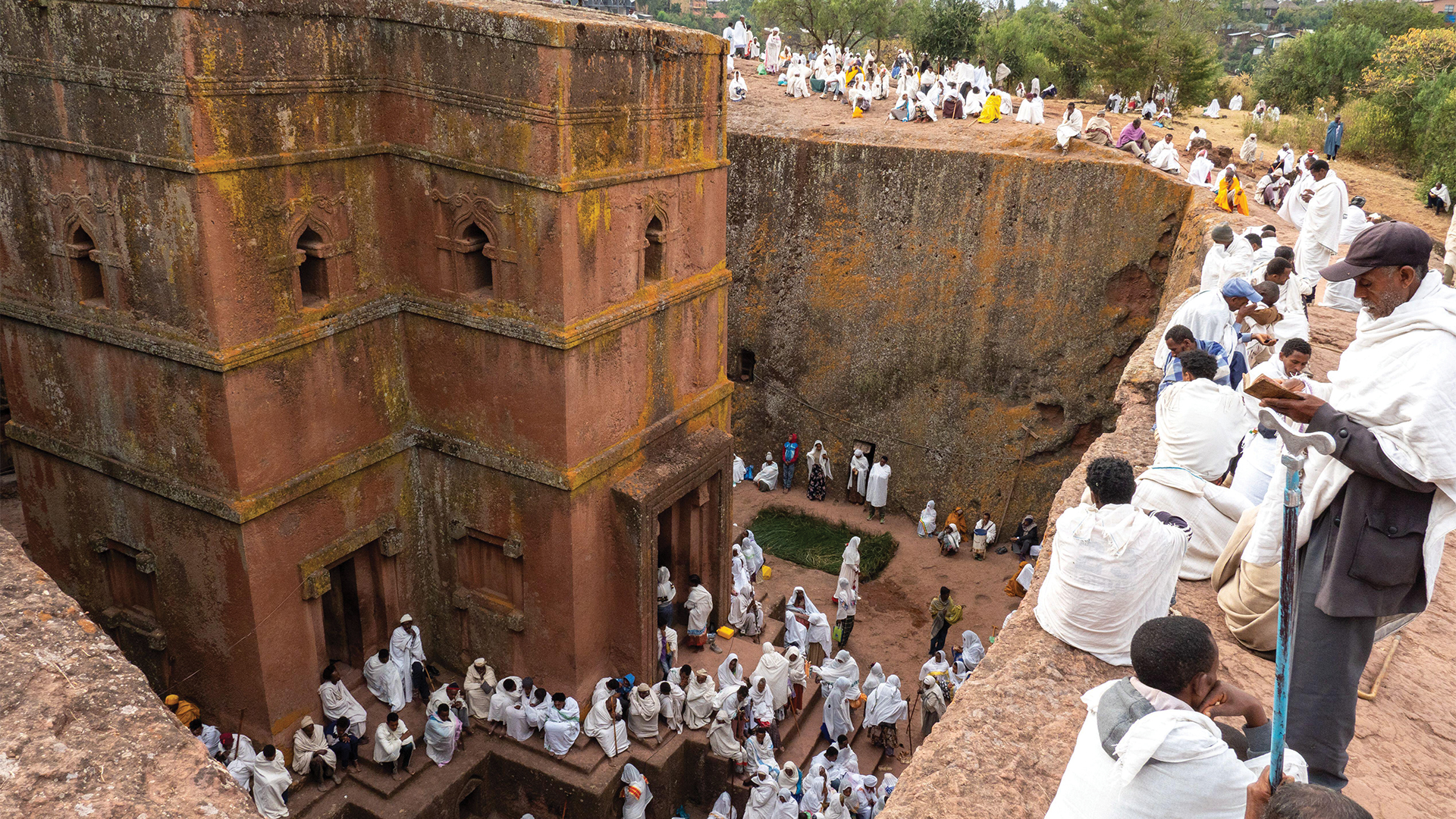
In various churches I learnt about how it developed and grew- from finding out about its encounters with political power in the majestic surroundings of the Hagia Sophia in Istanbul or among the stone passageways of the rock churches of Ethiopia to learning about the development and evolution of its sexual ethics from a twinkly eyed monk on an isolated Greek mountain.
Such a survey meant I saw the hight points and the low points, both of history and the present day. My spine still tingles as I think back to my experience in Salem, Massachusetts, looking at the remains of the house where the first accusations of witchcraft began to fly and which led to so many innocent people being killed in the name of the faith.
But I also learned, speaking to Pastor Price of the 16th Street Baptist Church in Birmingham, Alabama, of Christianity’s incredible capacity to not only inspire people to strive for justice but to create places where people can have the courage and strength to forgive.
I learned not only about the story of Christianity’s clashes with the forces of profit or violence but also about individuals. I learned about Eilward of Westoning, castrated during a misunderstanding about a stolen cloak, who swore that the shrine of Thomas Becket at Canterbury Cathedral had restored his testicles, and generously promised to show anyone who didn’t believe him.
I learned about the Mad Caliph, Al-Hakim bi-Amr Allah, who though he banned women’s shoes and made the cooking of a particular casserole punishable by death, still spared the Church of the Nativity, where it all began, from destruction. And, through the story of a tiny hidden Christian shrine on the wild coastline of Japan, I learned about Magdalene of Nagasaki, a teenaged girl who showed more courage and faith than a thousand samurai.
This book tells some of those stories, and, through them tells the story of Christianity, how it became what it is and how it shaped our world today. Every church is full of stories, interesting, weird and wonderful, sometimes profoundly moving in their own way, but even more so, and even more fascinating, when you realise they’re part of a much bigger story, the story of humanity grappling with God. It was such a privilege to learn more about these people and places. One thing is for sure, I will never walk past any church, of any description, without poking my head in.
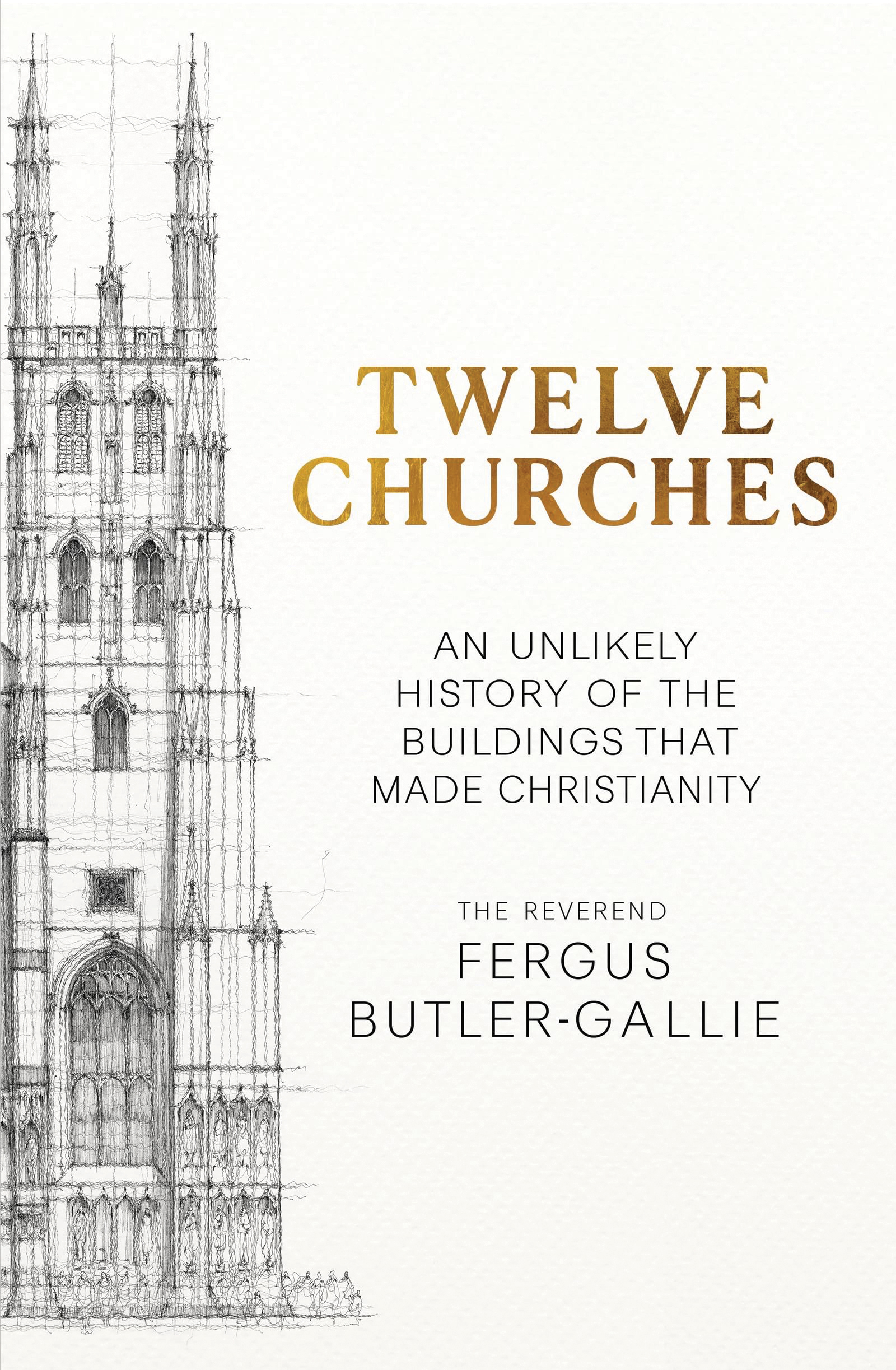
Twelve Churches: An unlikely history of the buildings that made Christianity by Fergus Butler-Gallie is out now (Hodder & Stoughton, £20).
You can buy it from the Big Issue shop on bookshop.org, which helps to support Big Issue and independent bookshops.
Do you have a story to tell or opinions to share about this? Get in touch and tell us more.
Reader-funded since 1991 – Big Issue brings you trustworthy journalism that drives real change.
Every day, our journalists dig deeper, speaking up for those society overlooks.
Could you help us keep doing this vital work? Support our journalism from £5 a month.