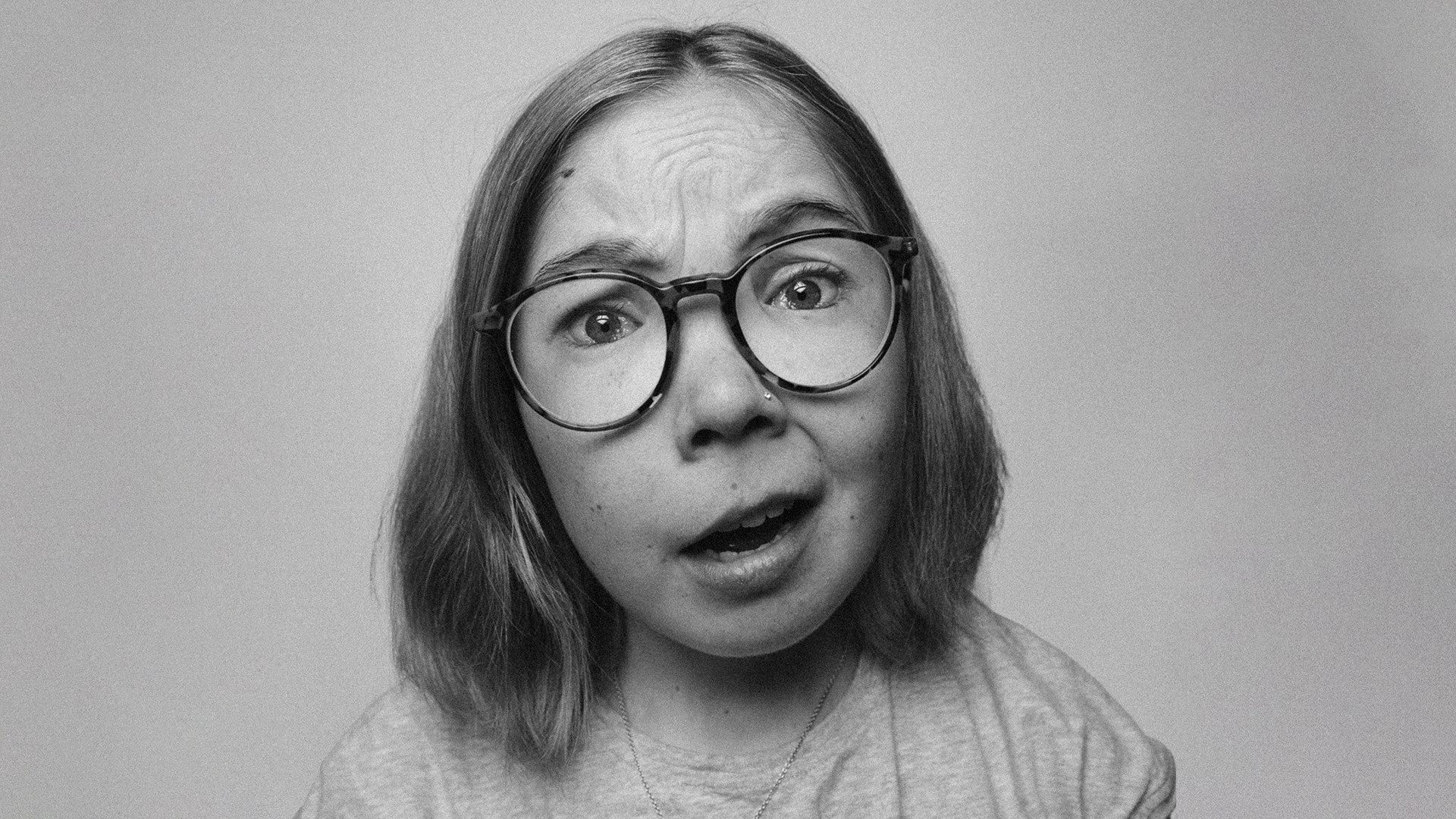
Roberts is an editorial trainee and aspiring film and TV editor. She also has primary lymphoedema, a genetic condition that causes fluid to build up in body tissues.
“My lymphatic system doesn’t function that well, so I’m swollen all the time,” Roberts explains in one social media video. “I have to wear 24-hour compression, or my fluid builds up and builds up.” Some days, she gets around on a mobility scooter.
Her channel, @bella_does_editing, has more than a million followers across TikTok and Instagram, where she documents the world of post-production. But systemic barriers often lock disabled people out of this industry.
Keep reading the journalism that powers our mission
Register free to continue and learn more about the stories, campaigns and the support we provide, helping people facing poverty across the UK.
Many early-career jobs are highly physical; most aspiring editors, producers and directors start out as runners. The name is apt: runners are expected to fetch and carry supplies for the rest of the set, lug around equipment and deliver call sheets and scripts. Roberts spent a stint as one.
“I exhausted myself to the nth degree to try and keep up with the other runners. But there was just no way I could do it, and I think they could see that,” she says. “It really sucked because I wanted to be there just as much as everybody else.”
Read more:
She hoped that post-production would be different – less physical, more accessible – but there were still barriers.
“I turned up to an interview and there were two flights of stairs to get to the interview room,” she says. “And I almost wished that I didn’t get the job because I’m like, I can’t physically do this every day. I can’t do two flights of stairs.”
When rejections rolled in, she felt like she knew why.
“There are 20 other people that want the same job, and you’re emailing ahead, being like, ‘I need this and this and this to be able to do my job,’” she says. “Who do you think they’re going to pick?”
Disabled people make up just 9.7% of the off-screen workforce, according to the latest data from Creative Diversity Network – less than half the national workforce average of 20%.
“Disabled people are constantly having to work 10 times harder just to live their life and also pursue their dreams,” Roberts says. “So when it comes to the industry, it’s almost like, ‘OK, there’s a hurdle there.”
Nonetheless, she’s got a pretty no-nonsense attitude to said hurdles: “I’m just gonna get over [them].’”
Roberts started making videos on her dad’s iPhone when she was 12, pissing him off by using up all the device’s storage. Like a lot of 2010s tweens, she loved messing about on iMovie, making fake film trailers and goofy little edits.
Amid an onerous schedule of hospital visits and overnight stays, the phone was a way to stay plugged into family life.
“When I was a kid, I was in and out of the hospital a lot. One thing to keep me in touch with the family while I was in hospital was video,” she recalls. “Being able to capture things and replay them was great because it was like reliving a memory when I couldn’t be in that space at that time.”
A YouTube channel followed, then a media course at college, then film school. But she graduated at one of the toughest times to break into the industry. The pandemic had shut down productions, and the Sag-Aftra strikes stalled many more.
Roberts landed an opportunity through a scheme for disabled people wanting to get into post-production, but work remained sporadic. During quiet spells she restarted her social media, with short-form videos about editing and film. They took off; she now has more than a million followers across TikTok and Instagram. She was still struggling to break into scripted work until she posted a video explaining that and asking for opportunities. It “blew up”, bringing a flood of emails and, ultimately, her first editorial trainee credit on Adolescence.
Since then, she’s landed further work, often through people DM’ing her on Instagram directly. Meanwhile, her social media is inspiring other people to follow their dreams.
“I truly think no goal is unattainable if you put your mind to it,” she says. “Take my motorbiking for example. I went into it, and I couldn’t even ride a bicycle. I thought, ‘I’m not going to be able to do it’. And then I just switched my attitude, and I was like, ‘No matter how many times I fall off this bike, I’m just going to keep going.’”
“Today I passed. Of course there are physical barriers, I can’t deny that. But I truly think – and this is how I personally live my life – If you really, really want something, you will find a way to make it happen.”
For Roberts, that means becoming a filmmaker. But first? Heading out on her bike – “and hopefully not falling off”.
Do you have a story to tell or opinions to share about this? Get in touch and tell us more.
Change a vendor’s life.
Buy from your local Big Issue vendor every week – and always take the magazine. It’s how vendors earn with dignity and move forward.
You can also support online:
Subscribe to the magazine or support our work with a monthly gift. Your support helps vendors earn, learn and thrive while strengthening our frontline services.
Thank you for standing with Big Issue vendors.