“We can grow food for money, or we can grow food for people,” says Alice-Marie Archer, founder of Bristol Fish Project. “We need to figure out the line between the two.”
A Community Interest Company (CIC), the project was founded in 2011, when Archer sought a solution to the challenges of increasing urban waste. Dismayed by the repercussions of the corporate agriculture systems, she saw that aquaponics could be used to not only recycle waste to grow food sustainably, but also help conservation efforts and a disadvantaged community.
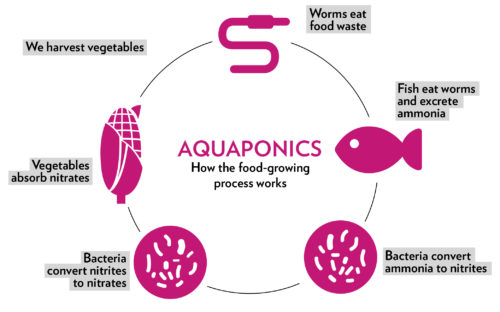
What, you might well ask, is aquaponics. Archer explains: “Aquaponics is the symbiotic growing of fish and plants, usually in a recirculating water-based system and typically without soil.”
Aquaponics-InfoGraphic
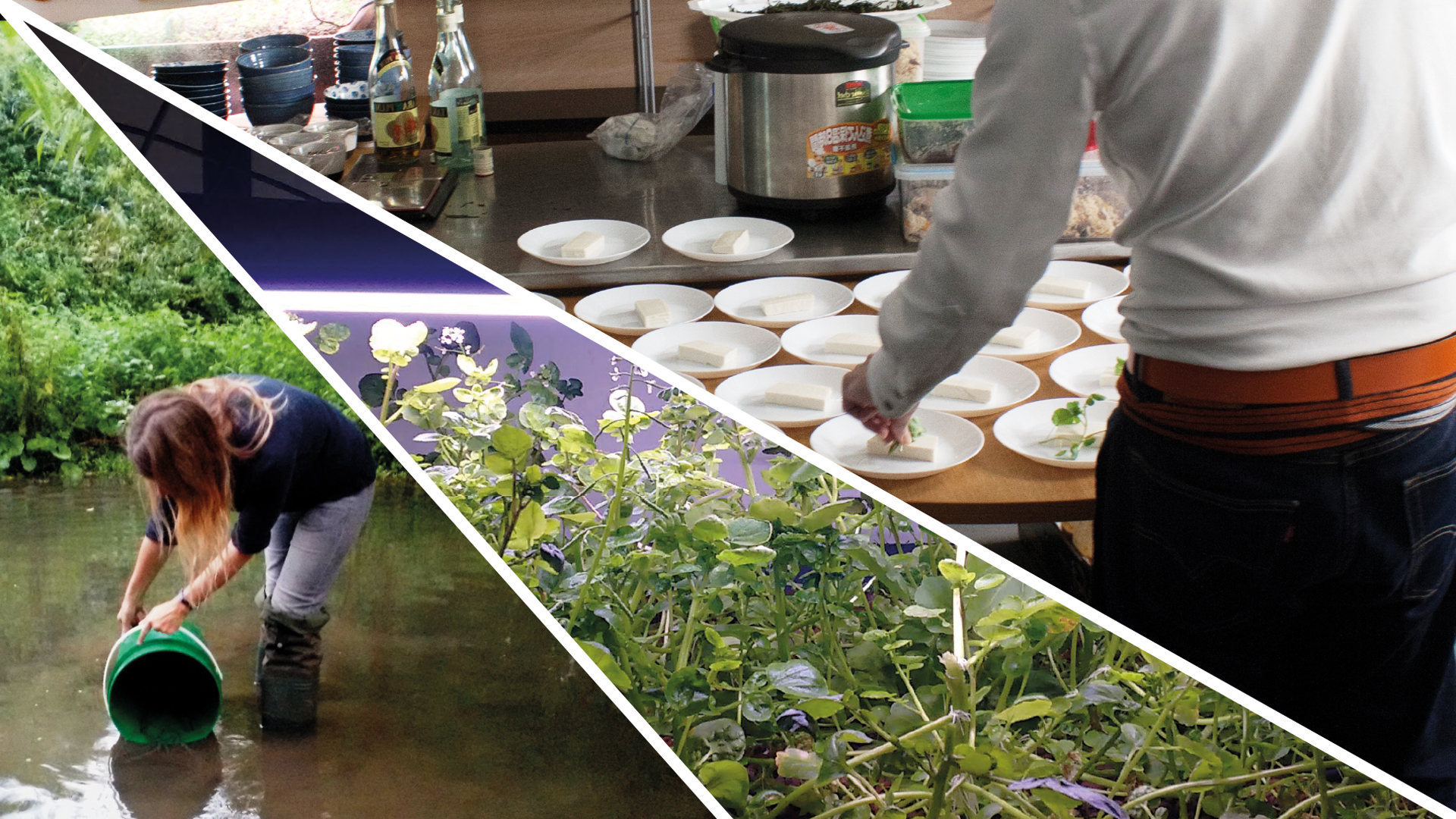
To you and I, it’s about ensuring absolutely nothing goes to waste. The technique turns urban food waste into food for fish, and their waste feeds watercress plants. The plants, which naturally filter water for reuse, can be cultivated and eaten.
The way we consume and grow food is changing ever faster, says Archer. “Conventional agriculture and its business model are failing across lots of fronts, and we know we’re in a transition towards a different food system.
“We need to find ways to grow food that are sustainable and hydroponics and aquaponics have proven they’re more sustainable in terms of water, in terms of waste and there’s also that benefit of growing food near its consumers.”
Advertising helps fund Big Issue’s mission to end poverty
Advertising helps fund Big Issue’s mission to end poverty
We want to design a transferable aquaponic model for other communities
Bristol Fish Project also has an important conservation role, receiving funding from the European Marine Fisheries Fund to build and run an eel conservation project. Some 5,000 eels now make up the heart of their aquaponic system.
But one of its key benefits which reaches beyond that of conversation, recycling and sustainability is its community impact. To help grow this, earlier this year Bristol Fish Project received a loan of £20,000 from Big Issue Invest’s Impact Loans England (ILE) fund. ILE is funded through the Growth Fund, which is managed by Access – The Foundation for Social Investment, with funding from Big Lottery Fund and Big Society Capital.
Alan Tudhope, Investment Manager at Big Issue Invest, the social investment arm of The Big Issue Group, explains how the project’s social impacts align with local and global sustainability aims.
Keep reading the journalism that powers our mission
Register free to continue and learn more about the stories, campaigns and the support we provide, helping people facing poverty across the UK.
“By offering employment and volunteering opportunities to local people, promoting the importance of nutrition, and utilising sustainable, environmentally-sound methods, Bristol Fish Project succeeds in tackling issues of both local and global importance,” he says.
“We at Big Issue Invest are delighted that our investment will enable them to continue this great work.”
Advertising helps fund Big Issue’s mission to end poverty
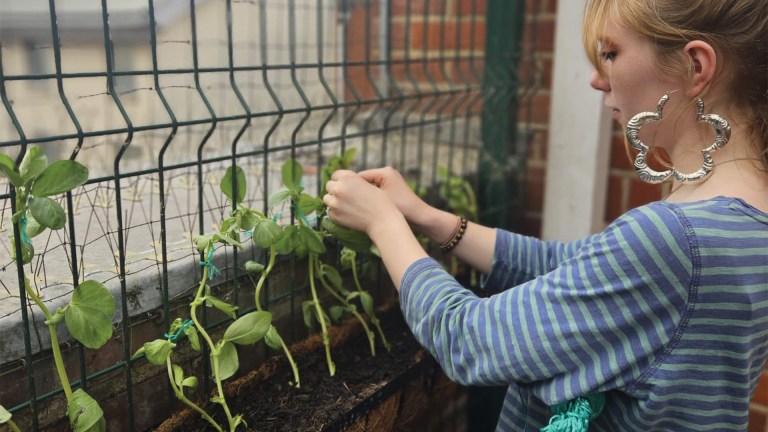
The earliest versions of aquaponics that Archer saw were American urban projects which developed employment and nutrition in deprived areas. “So we’ve always developed our projects in areas like that and we’re trying to make community scale aquaponic farming accessible, a vehicle for local employment and awareness of food issues,” she explains of her decision to situate the CIC in the income-deprived area of Hartcliffe in Bristol.
The farm has classroom space, where the project’s concept can be taught to communities who want to bring food systems into their own hands.
“Our mission now is to recreate the Bristol Fish Project in other areas. We want to design a transferable model for other communities. Our classroom helps us share our concept system with them or teach them how to make their own,” Archer explains.
She hopes that by providing communities across the country with access to this technology they can not only tackle social deprivation, but put control of agriculture into the into the hands of consumers.
Advertising helps fund Big Issue’s mission to end poverty
Big Issue vendors are back!
It’s not just the shops that are opening again. From Monday 12th April onwards, Big Issue vendors are back in business, with a big smile and a stack of magazines. Buy from your local vendor today!